

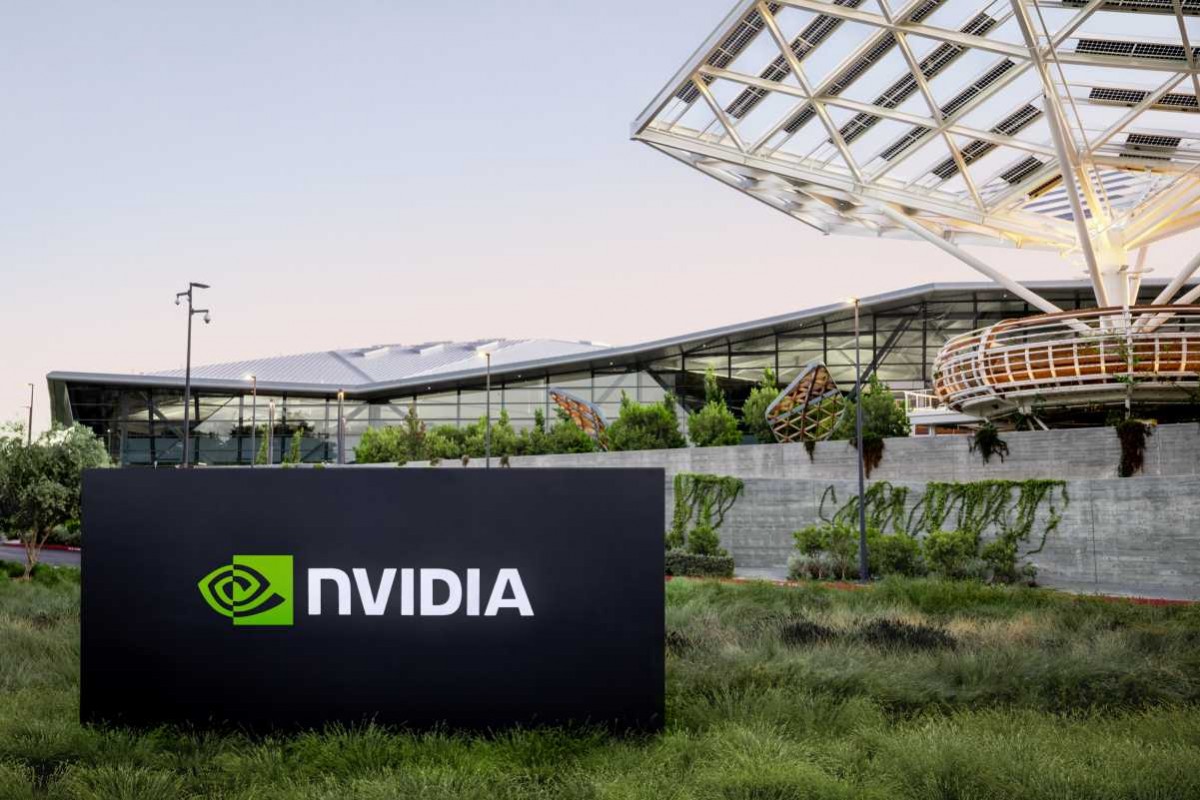
Nvidia Faces $5.5 Billion Charge Amid U.S. Export Restrictions
Nvidia has announced a significant financial impact following new U.S. government restrictions on exporting its H20 AI chips to China. These restrictions, which have led to a projected $5.5 billion charge for Nvidia, mirror challenges faced by other American semiconductor companies like AMD. The recent trade embargo has affected AMD’s MI308 chips, causing a ripple effect throughout the tech industry.
Export Restrictions and Economic Implications
A spokesperson for the U.S. Commerce Department stated that the department is “committed to acting on the President’s directive to safeguard our national and economic security.” This move comes amid growing concerns about technological advancements and national security, impacting key players in the AI industry.
Targeting the Chinese Market
The H20 chip is a significant product in Nvidia’s portfolio, designed specifically for Chinese markets, where AI technology is rapidly advancing. Prominent Chinese companies such as Tencent, Alibaba, and ByteDance have heavily invested in ordering the H20 chip to power their AI initiatives. Despite its focus on AI inference, the H20 falls short in computing power compared to chips aimed at other markets.
In response to prior U.S. administration policies, Nvidia had already taken measures to adjust the architecture of its chips, including the H20. Unfortunately, these adjustments are now overshadowed by the latest export restrictions.
Concerns Over Supercomputing and AI Development
The U.S. government emphasized potential risks associated with employing the H20 chip in supercomputers. Although the chip offers reduced computing power, coupling multiple memory chips can still achieve high operational speeds. A Washington D.C.-based nonpartisan think tank reported Tencent’s deployment of H20 chips for model training, which may effectively circumvent export bans and significantly benefit China’s AI advancements.
Indefinite License Requirements
On Tuesday, Nvidia disclosed that it received formal notification from the government regarding the need for a license to export the H20 chip. However, clarity soon followed, stating that these regulations would remain indefinite, adding an element of uncertainty to Nvidia’s business operations.
Financial Reserves and Future Investments
Nvidia revealed that the $5.5 billion charge pertains to inventory, purchase commitments, and related reserves connected to H20 products. This financial setback occurs amid plans to construct AI servers valued at $500 billion in the United States over the next four years. This initiative aligns with recent calls for increased domestic manufacturing, emphasizing a shift influenced by previous administrative policies.
Stay updated with the latest tech news at aitechtrend.com.
For more information, refer to the detailed report and further insights via Reuters.