

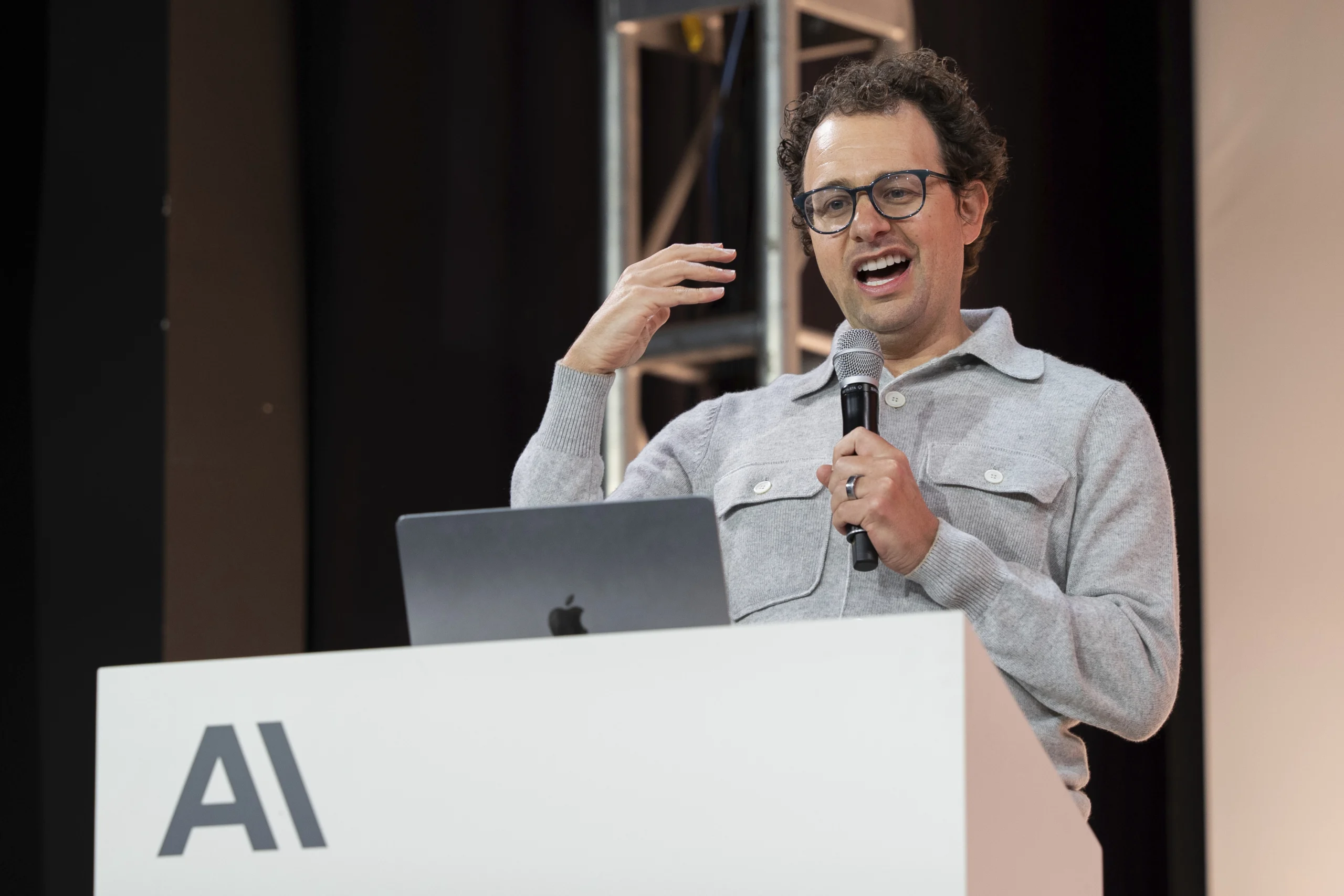
The rapid advancement of artificial intelligence (AI) technology poses a significant threat to entry-level white-collar jobs, potentially wiping out half of them and causing US unemployment to soar as high as 20%. This stark warning comes from Dario Amodei, CEO of Anthropic, the company behind the AI chatbot ‘Claude’.
The Unseen Threat
In a recent interview with Axios, Amodei urged executives and politicians to stop sugar-coating the potential mass layoffs in sectors such as technology, finance, and law. He emphasized the need for transparency about the threat AI poses to the workforce. “Most of them are unaware that this is about to happen,” Amodei stated. “It sounds crazy, and people just don’t believe it.”
Timeline of Change
Amodei predicts this job market disruption could unfold over the next one to five years. Despite the potential for economic and medical advancements, such as a 10% annual economic growth and breakthroughs in cancer treatment, the prospect of 20% unemployment remains a grim possibility. Currently, the national unemployment rate stands at 4.2%.
AI Race Heats Up
The warning comes as Anthropic competes fiercely with tech giants like Google, Meta, and OpenAI in the race to develop artificial general intelligence (AGI). AGI represents AI models with cognitive capabilities equal to or surpassing those of humans. Amodei, who co-founded Anthropic after leaving OpenAI, joins a growing chorus of executives concerned about AI’s impact on the job market.
Industry Voices
Earlier this year, Meta CEO Mark Zuckerberg highlighted AI’s increasing role within Meta’s workforce. During an appearance on “The Joe Rogan Experience” podcast, Zuckerberg speculated that by 2025, companies like Meta would have AI capable of performing mid-level engineering tasks, effectively replacing human engineers.
Similarly, Google CEO Sundar Pichai voiced concerns in April 2023 about the impact of AI on “knowledge workers,” including writers, accountants, architects, and software engineers. Pichai’s warning underscores the broader industry apprehension surrounding AI’s potential to disrupt traditional job roles.
Preparing for the Future
As AI continues to evolve, companies and workers must prepare for a future where AI-driven automation becomes the norm. This includes reskilling and upskilling workers to adapt to the changing job landscape. While AI holds the promise of significant economic and medical advancements, its disruptive potential cannot be ignored.
Follow the latest updates on AI and technology at aitechtrend.com.
Note: This article is inspired by content from . It has been rephrased for originality. Images are credited to the original source.