

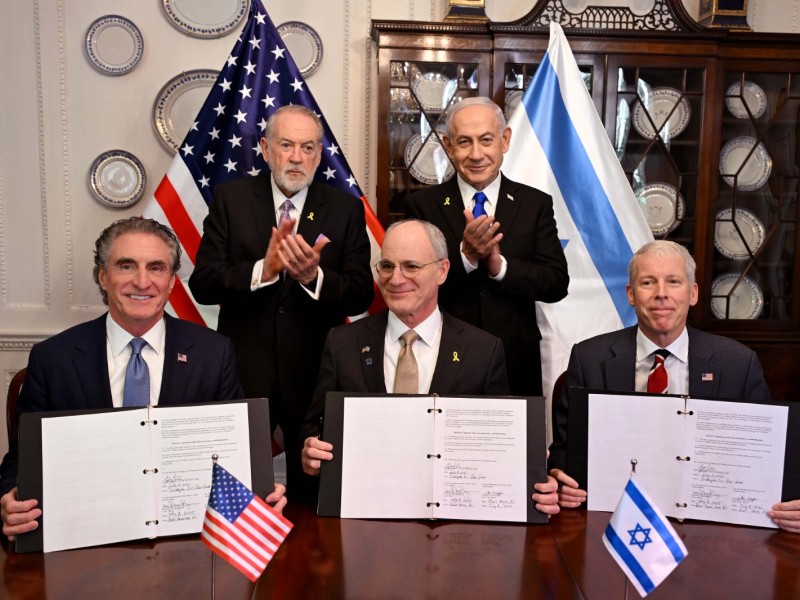
Israel and U.S. Deepen Strategic Collaboration
On July 8, 2025, Israeli Prime Minister Benjamin Netanyahu joined top U.S. officials at Blair House in Washington, D.C., to sign a landmark memorandum of understanding (MOU) focused on bilateral cooperation in artificial intelligence (AI) and energy development. The agreement marks a significant milestone in the evolving partnership between the two nations, aiming to harness innovation and emerging technologies for mutual benefit.
Netanyahu was accompanied by U.S. Secretary of the Interior Doug Burgum, Secretary of Energy Chris Wright, U.S. Ambassador to Israel Mike Huckabee, and Israeli Ambassador to the U.S. Yechiel Leiter. Together, they underscored the importance of strengthening technological and energy ties between the U.S. and Israel.
Driving Technological Innovation Through AI
The newly signed MOU establishes a framework for joint research and development in artificial intelligence. This includes initiatives in machine learning, data analytics, and smart infrastructure. The agreement is expected to facilitate collaboration between academic institutions, government agencies, and private sector innovators from both countries.
“Israel has long been recognized as a global leader in innovation,” said Secretary Burgum during the ceremony. “All the incredible technological leadership, the great entrepreneurship, and the incredible startup community that’s strong and vibrant in Israel—all of this bodes well for the future.”
The partnership aims to accelerate the development of safe and ethical AI applications, while also addressing shared challenges such as cybersecurity threats, data privacy, and regulatory oversight.
Energy Cooperation for a Sustainable Future
In addition to AI, the MOU emphasizes joint efforts in energy research and sustainability. With growing demands for clean energy and reduced carbon emissions, the agreement promotes collaboration in renewable energy technologies, energy storage, and smart grid systems.
Secretary Wright highlighted the potential for synergy between the two nations, stating, “Together, we can pioneer next-generation energy solutions that not only serve our countries but also contribute to global sustainability goals.”
The partnership includes knowledge-sharing, joint pilot programs, and funding opportunities for innovative energy startups. Both governments have committed to supporting the deployment of clean energy infrastructure and exploring hydrogen technologies, solar power, and advanced battery systems.
Blair House Ceremony Highlights Unity
The signing ceremony at Blair House served as a symbolic reaffirmation of the longstanding alliance between the United States and Israel. The historic venue has hosted numerous diplomatic events, and Tuesday’s gathering was rich in both symbolism and substance.
Ambassador Huckabee noted, “This MOU is more than a document; it’s a declaration of our shared vision for the future—a future powered by innovation, cooperation, and mutual trust.”
Prime Minister Netanyahu echoed that sentiment, adding, “The U.S.-Israel partnership continues to evolve. Today, we take another step forward, ensuring that our nations remain at the forefront of technological and energy advancements.”
Strategic Implications and Global Impact
The agreement arrives at a pivotal time as countries around the world race to secure leadership positions in AI and renewable energy. For the U.S. and Israel, the MOU symbolizes a proactive approach to shaping the global technology landscape while addressing critical environmental concerns.
Experts believe the partnership could have a ripple effect, encouraging other allies to pursue similar bilateral or multilateral agreements focused on high-tech collaboration. The MOU also signals to the private sector that both governments are serious about fostering innovation and supporting emerging technologies.
“This is a strategic move that aligns with our broader foreign policy goals and economic interests,” said a senior U.S. official familiar with the negotiations. “It strengthens our alliance, supports job creation, and positions us to lead in the industries of the future.”
Looking Ahead
Following the signing, working groups composed of researchers, policymakers, and industry leaders will begin outlining specific projects under the MOU. These may include joint AI research hubs, clean energy testbeds, and cross-border entrepreneurial exchanges.
The governments also plan to host an annual U.S.-Israel Innovation Summit to monitor progress and explore new areas of collaboration. The inaugural summit is tentatively scheduled for early 2026 in Tel Aviv.
As both nations prepare to implement the agreement, expectations are high that the MOU will not only deepen bilateral ties but also yield transformative outcomes in science, industry, and environmental stewardship.
This article is inspired by content from Original Source. It has been rephrased for originality. Images are credited to the original source.