

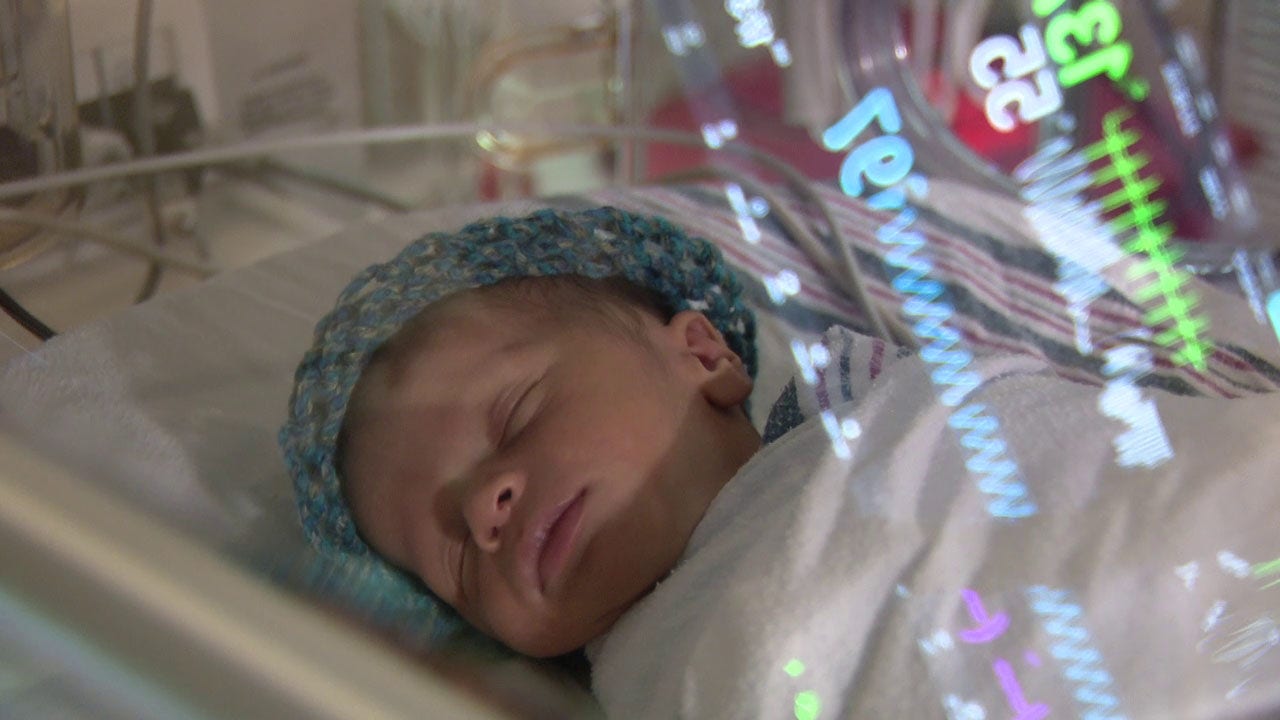
Innovative AI Technology to Transform NICU Care
Tampa General Hospital (TGH) and the University of South Florida (USF) have launched a groundbreaking study aimed at using artificial intelligence (AI) to detect pain in infants within neonatal intensive care units (NICUs). This pioneering research is part of a two-year initiative funded by a $1.2 million grant from the National Institutes of Health (NIH).
For nurses and doctors caring for the most vulnerable newborns, identifying signs of pain can be challenging. Many critically ill infants are unable to cry or express discomfort in the usual ways. By developing AI technology, researchers hope to provide healthcare professionals with real-time tools to improve pain detection and treatment.
How the AI System Works
The AI system will use a specialized camera setup to monitor infants continuously. According to Yu Sun, a professor of robotics and AI at USF, the camera will capture multiple indicators including facial expressions, body movements, and even crying sounds. These visual and auditory cues, along with vital signs, will be analyzed to assess the baby’s pain levels.
“We’re creating a system that mirrors what experienced nurses observe at the bedside,” said Sun. “The AI will process this data and alert medical staff when it detects signs of pain.”
This system is being developed by first collecting baseline video of infants before they undergo medical procedures. The infants are then recorded for 72 hours post-operation, producing a rich dataset to train the AI model.
Real-World Impact on Neonatal Care
Marcia Kneusel, a clinical research nurse with over two decades of NICU experience, emphasized the significance of this innovation. “Reading a baby’s signals is part science and part intuition,” she said. “Having an AI system do this objectively could be a game-changer.”
Kneusel noted how NICU practices have evolved over the years. “There was a time when we relied heavily on medications. Then we shifted to non-pharmacological methods. But sometimes, those aren’t enough. We need better tools.”
The AI-powered system aims not only to improve the accuracy of pain detection but also to reduce unnecessary medication and interventions, ensuring more personalized and effective care for each infant.
Multi-Hospital Collaboration and Broader Goals
The study isn’t limited to Tampa. It includes participation from 120 infants across multiple hospitals, including Stanford University Hospital in California and Inova Hospital in Virginia. This broad collaboration helps ensure that the AI model is adaptable to different hospital settings and patient demographics.
The current phase focuses on gathering and analyzing technical data. The next stage, according to Sun, will involve clinical trials supported by an anticipated $4 million NIH grant. These trials will test the AI system in live hospital environments to validate its effectiveness and safety in real-world scenarios.
Why This Matters
The ability to accurately detect pain in neonates has long been a challenge in medical care. Infants in the NICU are often premature or critically ill, and their inability to verbally communicate makes traditional pain assessment methods inadequate. This AI technology promises to fill that gap, offering a new standard of care that could benefit thousands of babies annually.
“These babies are precious,” said Kneusel. “We owe it to them to use every tool available to ensure they are not suffering silently.”
By combining cutting-edge technology with compassionate care, the TGH-USF partnership exemplifies how innovation can directly impact human lives for the better.
Looking Ahead
As the project advances, researchers remain optimistic about its potential. If successful, the AI system could be integrated into NICUs across the country, setting a new benchmark for neonatal care. The collaboration among top-tier hospitals and the support from NIH underscore the high stakes and high hopes for this endeavor.
Healthcare professionals, parents, and researchers alike are watching closely, hopeful that this technology will usher in a new era of precision and compassion in infant care.
This article is inspired by content from Original Source. It has been rephrased for originality. Images are credited to the original source.