

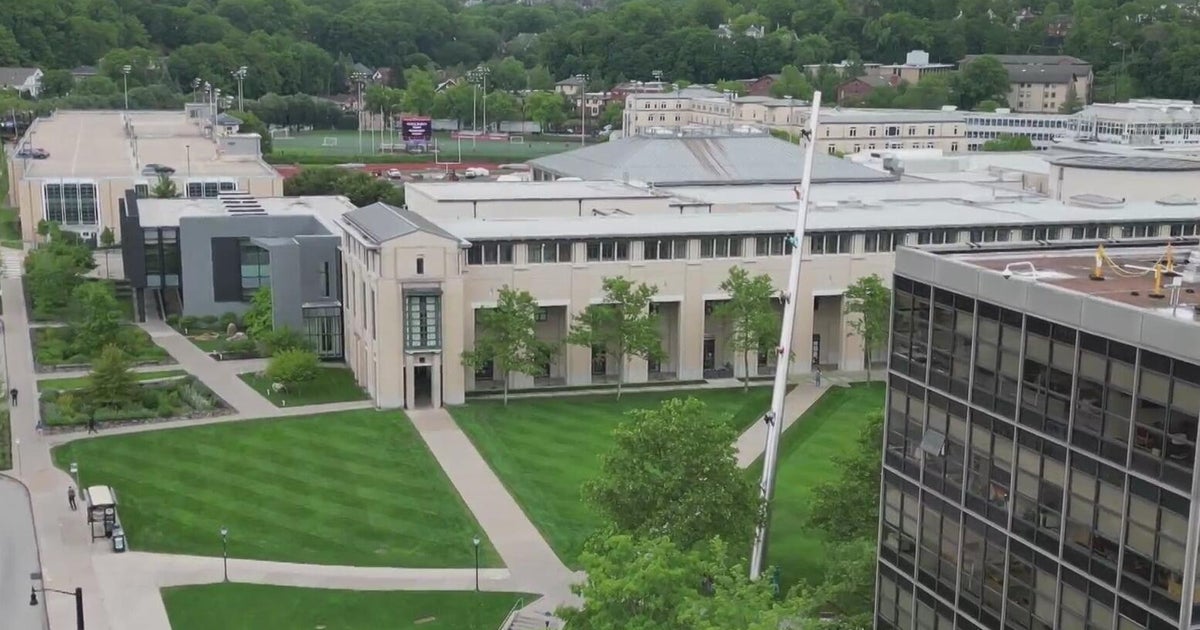
Carnegie Mellon University Hosts High-Profile Summit on AI and Energy
On Tuesday, Carnegie Mellon University (CMU) in Pittsburgh became the epicenter of innovation as it hosted the Pennsylvania Energy and Innovation Summit. The event brought together some of the most influential figures in energy and artificial intelligence (AI), including President Trump, key cabinet members, Pennsylvania Governor Josh Shapiro, and other global leaders in the field.
Participants convened to discuss the future of AI and energy, technologies that are increasingly intertwined, and how Pennsylvania can lead the charge. CMU, a long-standing leader in artificial intelligence research, was seen as the ideal venue for such a forward-looking summit.
CMU’s Legacy in AI Innovation
“CMU has always been the place for machine learning and AI,” said Zico Kolter, director of Carnegie Mellon’s Machine Learning Department. He emphasized the university’s pivotal role in the advancement of AI technologies and its growing influence in shaping the future of the sector. “This summit is a recognition of all the value CMU has brought to AI,” Kolter added.
Kolter also highlighted western Pennsylvania’s strategic position in the evolving tech landscape. “We are going to see a lot of growth in these new sectors of the economy,” he said. “Especially in energy and data centers to power the sophisticated AI models being developed.”
Major Investment Announcement for Pennsylvania
Pennsylvania U.S. Senator Dave McCormick organized the summit and made a significant announcement: a $70 billion investment aimed at bolstering AI and energy development across the state. This large-scale funding will support the construction of data centers—critical infrastructure for powering AI systems—and catalyze further innovation in both sectors.
Don Smith, president of the Regional Industrial Development Corporation (RIDC), praised the investment for its potential impact on the local economy. “These buildings and jobs will create taxes,” said Smith. “It’ll help the fiscal health of our municipalities and marks the beginning of the largest wave of industrial development in decades.”
Western Pennsylvania Positioned for Success
Smith believes western Pennsylvania is uniquely equipped to lead in the AI revolution. “It’s the combination of energy, computational power, and talent,” he explained. “We have all three in abundance here.”
Kolter echoed this sentiment, noting that the region’s existing ecosystem makes it an attractive hub for future tech entrepreneurs. “As more companies develop in the area, it’s going to encourage even more investment,” he said. “It will make it easier for future innovators to remain in the region and build companies in AI and related technologies.”
He emphasized that the summit and associated investments could serve as a catalyst for sustained innovation. “Events like this can drive innovation and further establish our region as a leader in AI,” Kolter noted.
A Vision for the Future
The summit not only showcased Pennsylvania’s capabilities but also laid out a blueprint for the state’s role in the emerging AI economy. With robust infrastructure, academic excellence, and a supportive economic environment, leaders believe the region is ready to embrace and shape the next wave of technological advancement.
Smith concluded by saying, “We’re talking about the early stages of the biggest wave of new industrial development in a very long time. This bodes well for our ability to compete successfully in the AI economy.”
This article is inspired by content from Original Source. It has been rephrased for originality. Images are credited to the original source.