

China Calls for Unified Global AI Governance
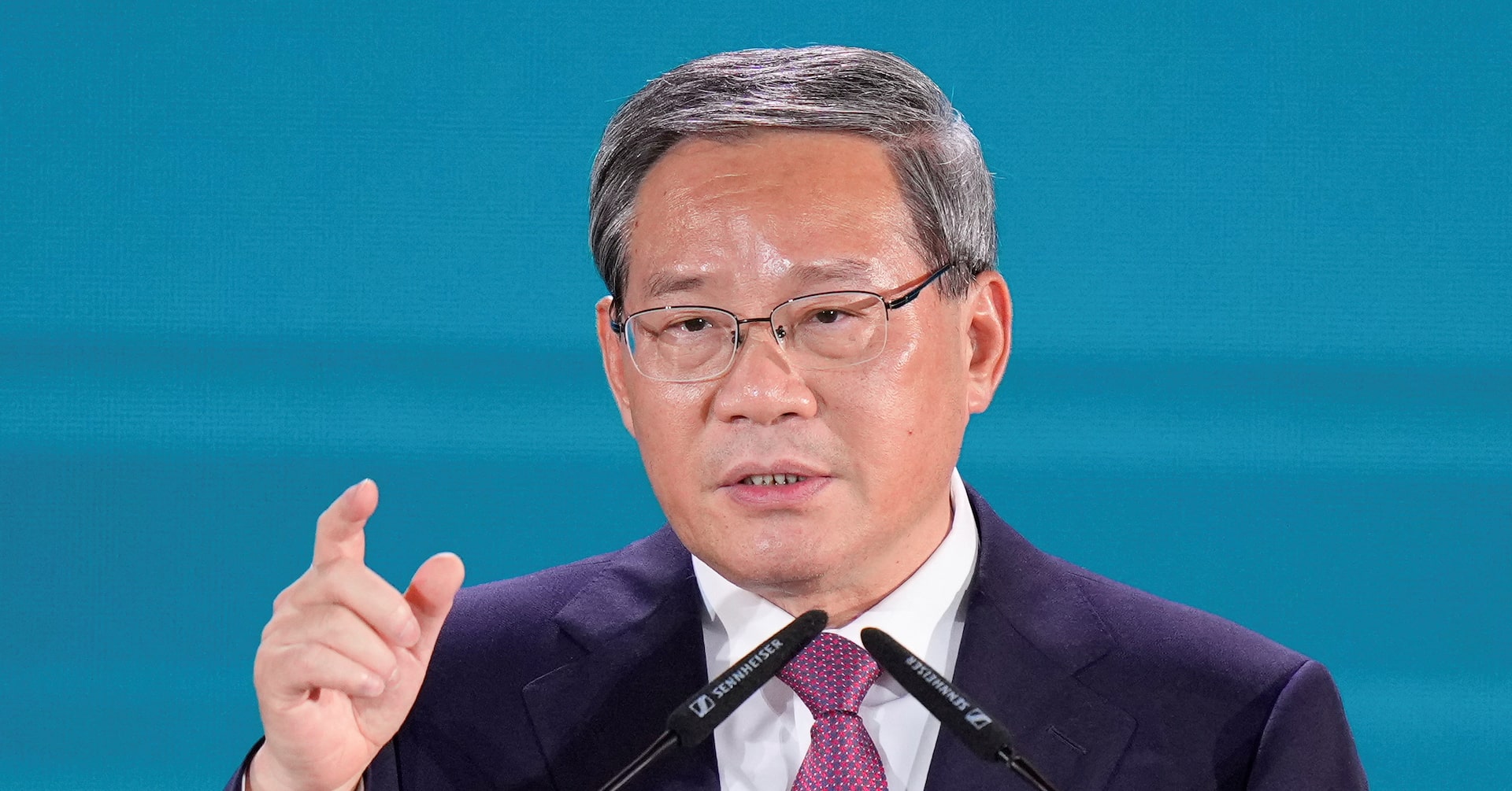
During the opening ceremony of the World Artificial Intelligence Conference (WAIC) in Shanghai on Saturday, Chinese Premier Li Qiang proposed the establishment of an international organization aimed at fostering global cooperation on artificial intelligence (AI). The initiative is designed to address the fragmented state of AI governance worldwide and to promote a shared framework for the development and regulation of this transformative technology.
Premier Li described AI as a new engine for global economic growth but emphasized that its governance remains disjointed. “Currently, overall global AI governance is still fragmented. Countries have great differences particularly in terms of areas such as regulatory concepts and institutional rules,” Li said. He urged nations to enhance coordination and reach a broad consensus on a global AI governance framework as soon as possible.
US-China Competition Shapes AI Landscape
The WAIC comes at a time of heightened technological rivalry between the United States and China, the world’s two largest economies. AI has become a focal point in this ongoing competition. The U.S. has implemented export restrictions targeting advanced technologies, particularly high-end AI chips produced by firms like Nvidia. These measures are justified by concerns over national security and the potential military applications of AI.
Despite these constraints, China continues to make notable advancements in the AI sector. Premier Li refrained from directly naming the United States but cautioned that AI development risks becoming an exclusive domain for a select few nations and corporations. He pointed to challenges such as limited access to AI chips and restrictions on the international exchange of talent as major obstacles to inclusive AI progress.
China’s Vision for Inclusive AI Development
Premier Li emphasized China’s intent to share its AI development achievements and products, particularly with countries in the Global South. He framed this as part of a broader commitment to ensure that AI technologies benefit a wider range of nations, not just the most advanced economies. “China is willing to share its development experience and AI products with other countries,” Li stated, highlighting the need for more equitable participation in the AI revolution.
The WAIC serves as an important platform for dialogue and collaboration, attracting policymakers, industry leaders, investors, and researchers from around the globe. It provides a venue for stakeholders to explore AI opportunities and challenges in a setting shaped by geopolitical tensions and rapid technological evolution.
WAIC 2025: Showcasing Global AI Innovation
The three-day event in Shanghai features a wide array of activities, including forums and exhibitions. This year, more than 800 companies are participating, showcasing over 3,000 cutting-edge products. These include 40 large language models, 50 AI-enabled devices, and 60 intelligent robots, according to event organizers.
Major Chinese tech firms such as Huawei and Alibaba are prominently featured, alongside emerging startups including humanoid robot manufacturer Unitree. Although the event is largely dominated by Chinese companies, several Western firms are also participating. Notable names include Tesla, Alphabet, and Amazon.
Interestingly, Tesla CEO Elon Musk, who has previously spoken at the WAIC either in person or via video, did not appear at this year’s opening session. His absence was noted, although it did not diminish the event’s significance as a global forum for AI discourse and innovation.
Urgency for Global Consensus
Premier Li’s speech at WAIC underscores a growing urgency for international collaboration in managing AI’s rapid development. As nations grapple with the ethical, economic, and security implications of the technology, the call for a unified governance model becomes more pressing.
Li’s proposal for a dedicated global cooperation body reflects China’s strategic positioning in the AI domain. By advocating for inclusive participation and shared benefits, Beijing aims to shape the rules and norms that will govern AI’s future trajectory.
With the technology’s potential to transform industries ranging from healthcare to defense, the world faces a pivotal moment. Whether countries can bridge their differences and create a cohesive governance structure remains to be seen. For now, China has made its position clear: cooperation, not competition, should guide the future of artificial intelligence.
This article is inspired by content from Original Source. It has been rephrased for originality. Images are credited to the original source.