

Exploring AI’s Role in Modern Farming
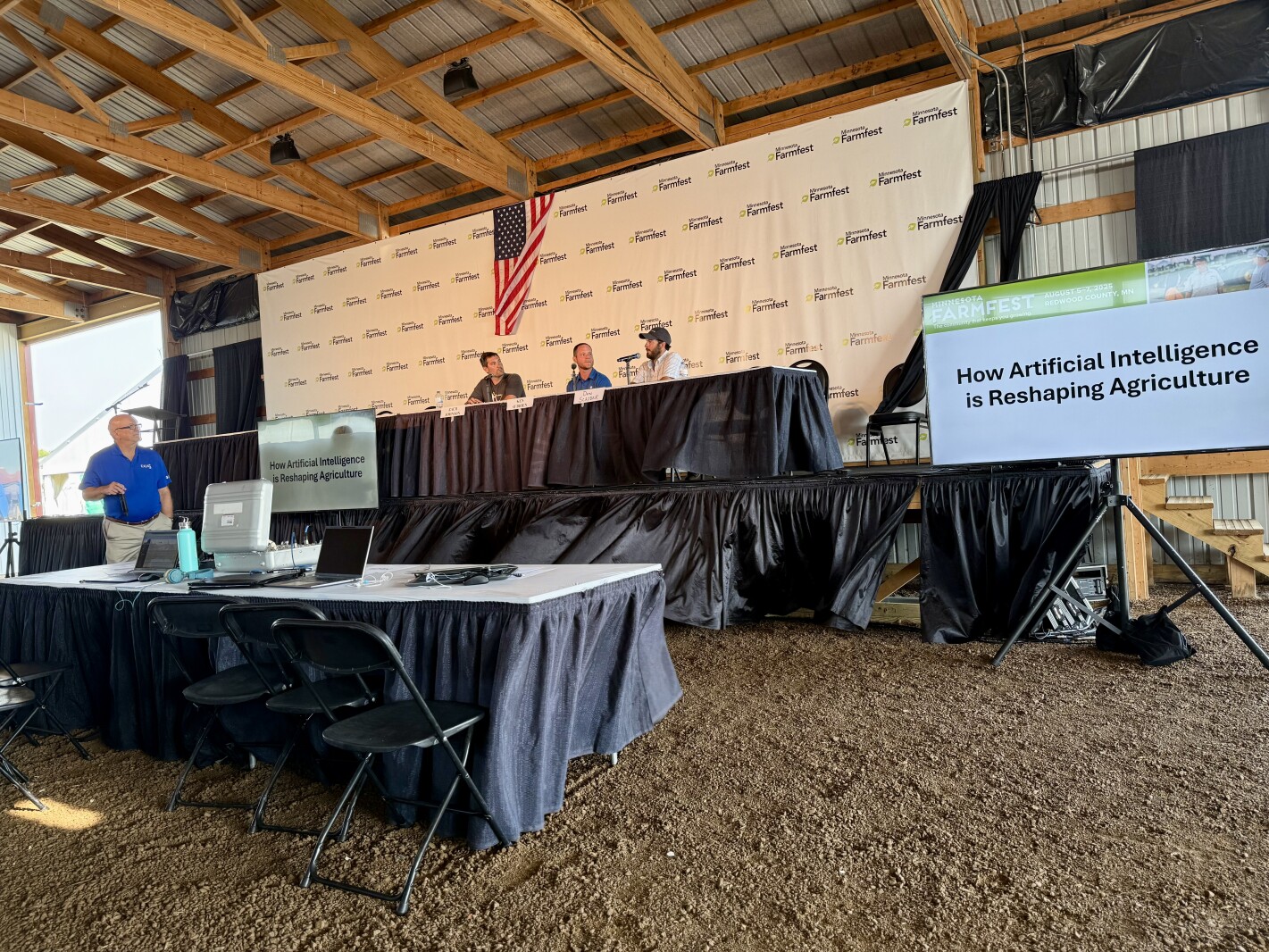
Artificial intelligence (AI) is making waves across various industries, and agriculture is no exception. However, while the technology promises increased efficiency and better decision-making, it also brings a degree of skepticism among farmers. During a recent panel held on August 5, 2025, in Morgan, Minnesota, agricultural leaders gathered to discuss both the opportunities and concerns associated with integrating AI into farming operations.
Zach Johnson, popularly known as the Millennial Farmer, moderated the panel. He opened the discussion by noting how his children will likely grow up with AI the same way he did with Google and smartphones. Johnson emphasized the importance of understanding and adapting to technological advancements that are likely to shape the future of farming.
Panelists Share Unique Perspectives
Joining Johnson on the panel were Ken O’Brien, agronomy innovation leader at Corteva, and Don Scribner, director of product at TerraClear. Both panelists brought valuable insights into how AI is currently being used and what its future may hold in agriculture.
Scribner pointed out that while AI technologies like autonomous tractors and precision spraying often grab headlines, the real value lies in AI’s ability to process data and act quickly. He stated, “What AI is doing today is sensing and acting in real time, allowing farmers to make better decisions on the fly.” He added that future developments could enable farmers to receive actionable information before they even step into the field, helping them make smarter, data-driven decisions.
O’Brien echoed this sentiment but acknowledged a common concern: the fear of technology replacing human jobs. He reassured the audience by saying, “AI won’t replace agronomists, but agronomists who know how to use AI tools will replace those who don’t.” According to him, professionals who embrace AI will be better equipped to improve performance and deliver more value to their clients.
Concerns Over Data Privacy and Job Security
Despite the numerous advantages AI brings, not everyone is convinced. Some farmers expressed concerns about data privacy and the potential for sensitive farm information to be compromised. The panelists acknowledged these fears and encouraged farmers to remain vigilant about cybersecurity, even if they are not currently using AI in their operations.
“Protecting your data is crucial,” warned Scribner. He emphasized the importance of understanding who has access to farm data and how it is being used. The panel advised farmers to read the fine print and ensure they are comfortable with data-sharing agreements before committing to new technologies.
The Road Ahead for AI in Agriculture
As AI continues to evolve, its role in agriculture is expected to expand. From real-time monitoring and predictive analytics to automated machinery and precision farming, the possibilities are vast. However, adoption will depend largely on how well the technology addresses real-world farming challenges and how easily it can be integrated into existing systems.
Johnson concluded the panel by encouraging farmers to remain open-minded but cautious. “AI is a tool, not a replacement for human intuition and experience,” he said. He stressed the importance of ongoing education and collaboration between farmers, tech developers, and agronomists to ensure that AI solutions are both practical and effective.
Ultimately, the panel agreed that while AI won’t solve every problem, it holds significant promise for making agriculture more efficient, sustainable, and profitable. The key is to strike a balance between innovation and tradition, leveraging AI to enhance—not replace—the human elements that make farming successful.
This article is inspired by content from Original Source. It has been rephrased for originality. Images are credited to the original source.