

AI and the Changing Landscape of Employment
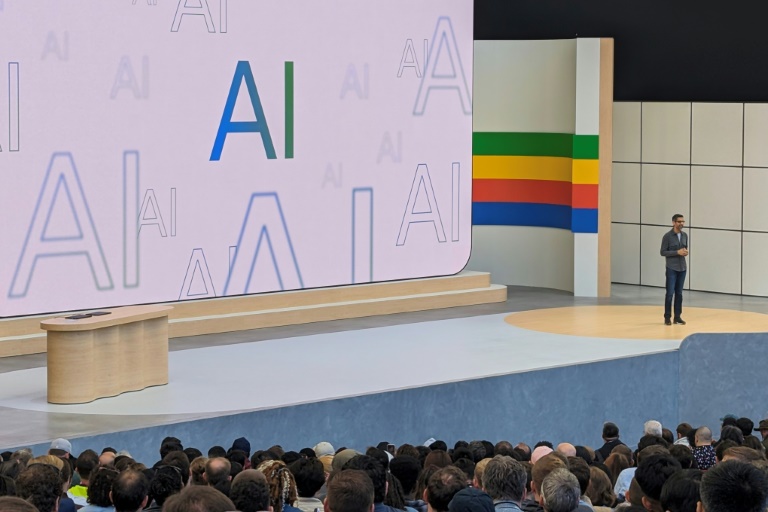
As artificial intelligence (AI) continues to transform industries, many professionals are increasingly concerned about the future of their jobs. According to Google CEO Sundar Pichai, the integration of AI into products is not only enhancing their functionality but also boosting user engagement and driving up demand for cloud computing services.
With over 73% of U.S. companies now incorporating AI into at least one aspect of their business, the conversation around which jobs remain safest from automation has gained urgency. A recent study by digital agency Eskimoz sheds light on the professions that are most resistant to being replaced by machines.
Understanding AI Resistance Scores
The study analyzed occupational data across various job categories, focusing on two core metrics: the percentage of public interaction required and the automation risk score for each occupation. These figures were combined to calculate an AI Resistance Score, which was normalized on a 1-100 scale. A higher score indicates a profession is more resistant to automation due to the indispensable need for human skills.
Key findings reveal that healthcare, law, and management roles top the list of AI-resistant careers.
Top 10 AI-Resistant Jobs
1. Emergency Medical Technicians (Score: 100)
Emergency medical technicians (EMTs) emerged as the most AI-proof profession. These frontline responders require 100% public interaction and face only a 7% automation risk. Their critical decision-making and real-time responses in life-or-death situations make their roles irreplaceable by machines.
2. Healthcare Social Workers (Score: 98)
With a full 100% public interaction rate and an 11% automation risk, healthcare social workers provide vital emotional support and crisis intervention. Their empathetic approach and nuanced understanding of human behavior secure their place in a human-led workforce.
3. Lawyers (Score: 86)
Legal professionals also show strong resistance to AI, with 100% public engagement and a 29% automation risk. From courtroom arguments to client counseling, the legal field requires complex human judgment and advocacy skills that AI cannot replicate.
4. Medical and Health Services Managers (Score: 82)
These managers coordinate between patients, healthcare staff, and administrators, involving 89.8% public interaction. Despite a 26% automation risk, their interpersonal skills and leadership are tough to automate.
5. First-Line Supervisors of Construction Trades (Score: 80)
With a public interaction rate of 78.5% and an automation risk of only 17%, these supervisors oversee construction teams and ensure safety compliance. Their dynamic problem-solving and on-site leadership skills make them difficult to replace.
6. Human Resources Managers (Score: 78)
Human resources managers engage with employees 82.9% of the time and face a 26% automation risk. Their roles in conflict resolution, organizational culture, and talent development are rooted in human understanding and discretion.
7. General and Operations Managers (Score: 70)
These professionals interact with the public 80.3% of the time and face a 36% automation risk. Their cross-departmental coordination and strategic decision-making involve a high degree of human judgment.
8. Maintenance and Repair Workers (Score: 65)
With 71.6% public interaction and a 35% automation risk, these workers diagnose problems and explain technical fixes to clients. Their practical skills and customer service components help shield them from automation.
9. First-Line Supervisors of Office and Administrative Support Workers (Score: 62)
These supervisors maintain 81.6% public interaction but face a higher 50% automation risk. Still, their team leadership and motivational roles retain a strong human element.
10. Training and Development Specialists (Score: 60)
Although they show only 57.8% public interaction, these professionals create tailored learning experiences and foster employee growth. Their ability to inspire and educate results in a 29% automation risk, placing them in the top 10.
Healthcare: A Stronghold Against Automation
The dominance of healthcare in the top ranks highlights the industry’s reliance on human interaction, empathy, and decision-making. Whether it’s managing a medical crisis, offering emotional support, or coordinating patient care, healthcare professionals perform tasks that AI is far from mastering.
Public Interaction as a Buffer Against AI
Across all the top AI-resistant jobs, one common thread is evident: a high level of public interaction. Roles that require nuanced human communication, emotional intelligence, and adaptability remain least likely to be automated. This finding suggests that as AI continues to evolve, careers rooted in human connection and judgment will remain vital.
Conclusion
While AI is undeniably reshaping the workforce, certain professions continue to stand firm due to the irreplaceable nature of human skills. As automation spreads, understanding which roles are most resistant can help individuals and businesses make informed decisions about career development and workforce planning.
This article is inspired by content from Original Source. It has been rephrased for originality. Images are credited to the original source.