

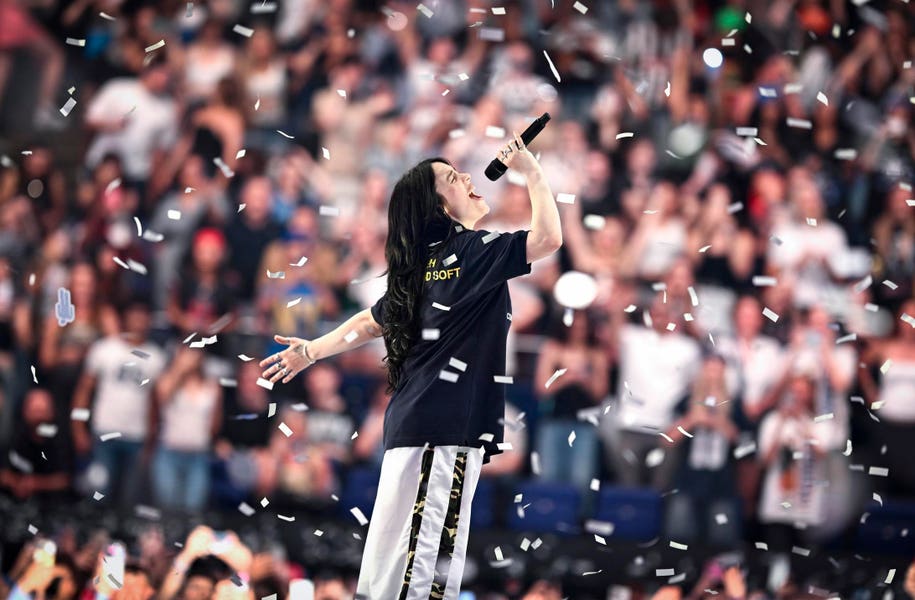
The Evolution of Music in a Digital World
Digital innovation has transformed the music industry, not only in how it generates revenue but in how artists create and protect their work. With artificial intelligence (AI) becoming increasingly embedded in creative processes, musicians and lawmakers alike are grappling with how to preserve the integrity and rights of artists.
In 2025, protests erupted in the UK over proposed copyright reforms, with over 1,000 artists releasing a silent album to voice their dissent. Just months later, more than 200 musicians, including Billie Eilish and Stevie Wonder, signed an open letter demanding that tech companies halt the devaluation of music through AI and other digital tools.
Sampling Then, AI Now
Sampling has long been a core element of popular music, allowing artists to reimagine genres by blending old and new sounds. British producer Geoff Wilkinson, founder of Us3, sees a direct connection between sampling’s early debates and today’s AI controversies. In the 1990s, Wilkinson secured permission from Blue Note Records to sample its catalog, ensuring that original artists received appropriate credit and compensation.
“Back then, sampling without clearance was rampant,” Wilkinson recalled. “Blue Note liked that I wanted to make sure all sampled artists were paid.”
Today, AI introduces a more opaque challenge. “Unlike sampling, AI doesn’t show its work. The algorithms learn from vast datasets, often without permission or transparency,” Wilkinson warned. That lack of accountability has triggered legal debates about whether AI training data falls under copyright protections.
Legal Hurdles and Ethical Dilemmas
Emily Welch, a partner at Alston & Bird, noted that the legal system is still catching up. “Courts are beginning to explore whether copyright extends to training data. It’s a nuanced and evolving area,” she said. Some rulings, like Judge William Alsup’s, suggest that AI-generated outputs could be considered fair use. However, lawsuits from major labels such as Universal Music Group against AI startups like Suno and Uncharted Labs indicate that the fight is far from over.
Wilkinson believes limitations can foster creativity. “The technology we used for our 1993 album ‘Hand On The Torch’ was primitive compared to today. Now, there are no barriers—just imagination,” he said. Despite the advances, he criticizes major labels for failing to adapt. “They’ve been poor stewards of their artists’ work and are now complicit in letting AI devalue everything,” he added.
Independent Artists and the AI Future
Grayson Sanders, co-founder of AI music licensing platform Chordal, emphasized the importance of independent creators having a voice in the AI era. “The industry is top-heavy. Majors have always held the power, but we need to ensure independents are part of the conversation,” he said.
Sanders pointed to recent developments like the Merlin agreement and Chordal’s partnership with TikTok as positive steps. “Our InstantClear system allows rights holders of all sizes to engage directly with platforms like TikTok for licensing. It’s a move toward transparency and control,” he noted.
Still, Sanders admits challenges remain. “AI platforms need clear, legal paths for both input and output. Rights holders must have visibility into how their work is used and compensated.”
Authenticity in the AI Era
While legal and ethical questions swirl, one constant remains: the audience’s desire for genuine expression. Cheryl Law, head of Asia for Web3 brand Pudgy Penguins, believes AI should enhance—not replace—human artistry. “Technologies that endure are those that deepen human connection,” she said.
Law envisions AI as a creative partner rather than a threat. “It’s not AI versus human creativity. It’s about merging the two to produce experiences that resonate emotionally,” she explained. Pudgy Penguins’ success in blending simplicity with complex ideas underscores her point: accessibility and authenticity are key.
Sanders echoed this sentiment. “Even if AI floods the market with content, people will always seek what feels real. The cream still rises—it just floats in a differently shaped mug now.”
Balancing Innovation and Integrity
Wilkinson remains cautiously optimistic. “AI has the power to elevate creativity, but only if used ethically. The dilemma lies in not knowing what data models have been trained on,” he said. He likened the situation to a famous quote from Winston Churchill: “It’s an enigma wrapped in a riddle.”
Sanders offered a broader perspective. “We’ve had millennia of communal music-making and only a few years of AI prompts. Human intuition and connection will continue to shape music’s future.”
As AI reshapes how music is created, distributed, and consumed, the industry stands at a crossroads. The choices made today will determine whether the soul of music can thrive alongside intelligent machines—or be drowned out by them.
This article is inspired by content from Original Source. It has been rephrased for originality. Images are credited to the original source.