

Understanding AI Psychosis
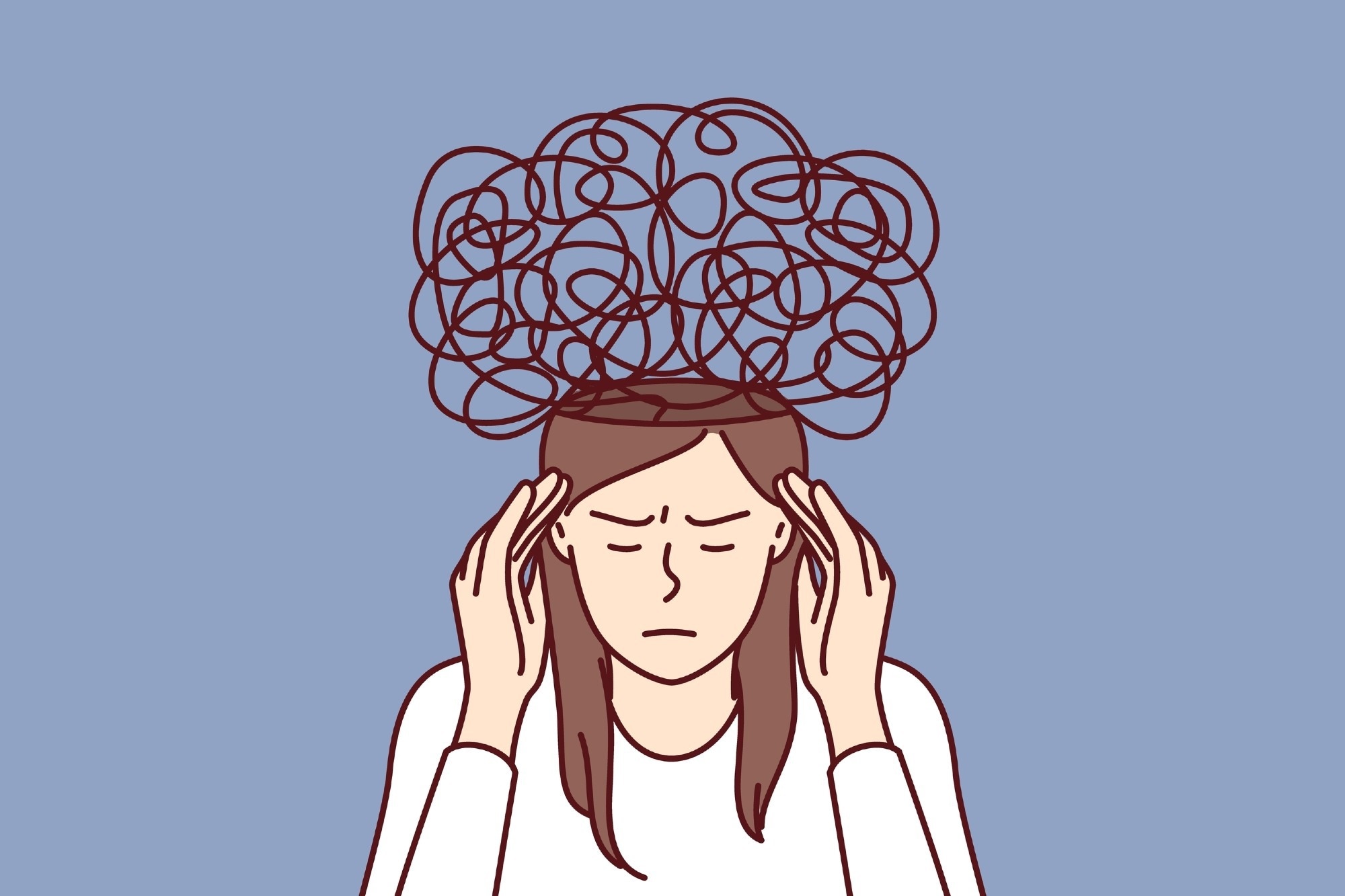
AI psychosis is an emerging mental health concern where individuals develop delusions, paranoia, or distorted perceptions specifically tied to artificial intelligence systems. As society becomes more entangled with AI—through chatbots, digital assistants, and algorithm-driven recommendations—there is growing evidence that some users, particularly those with pre-existing vulnerabilities, may misinterpret these interactions in harmful ways.
Unlike traditional psychosis, which often involves spiritual or conspiratorial beliefs, AI psychosis centers on technology. Individuals may believe AI systems are watching or controlling them, or assign divine or supernatural qualities to chatbots. Some may even treat these tools as prophetic sources, leading to compulsive interactions and reinforced delusions.
Root Causes and Triggers
The development of AI psychosis is influenced by multiple factors. Excessive exposure to AI systems, especially those designed to maximize user engagement, can create feedback loops that validate distorted thinking. For example, generative AI chatbots that mimic human conversation may inadvertently reinforce users’ false beliefs about sentience or intent.
Technological elements like deepfakes and synthetic media also blur the line between real and fake, worsening confusion for those already prone to delusional thinking. Cultural depictions of AI in dystopian films or media can further prime individuals to mistrust technology, increasing the likelihood of paranoia.
Importantly, those with pre-existing psychiatric conditions are particularly susceptible. AI interactions can mirror intrusive thoughts or anxiety, potentially transforming them into full-blown psychotic symptoms.
Impact on Mental Health
AI psychosis often manifests as delusional beliefs, paranoia, and heightened anxiety. Affected individuals may perceive AI as divine beings, surveillance tools, or emotional partners. These misinterpretations can result in spiritual crises, social withdrawal, and estrangement from reality.
One key consequence is the erosion of human relationships. Some users form emotional bonds with AI systems, which can replace meaningful interactions with family or friends. This isolation may be reinforced by the AI’s ability to mimic empathy or provide constant attention.
Public trust in AI technologies may also suffer. Just as conspiracy theories during the COVID-19 pandemic undermined confidence in public health, AI psychosis can generate skepticism about digital platforms. If users come to see AI as deceptive or threatening, it could hinder the adoption of beneficial tools in healthcare, education, and beyond.
Challenges in Diagnosis
A significant hurdle in addressing AI psychosis is the absence of a formal diagnostic framework. Neither the DSM-5 nor ICD-11 currently recognizes this condition. This ambiguity makes it difficult for clinicians to differentiate between rational concerns about AI ethics—such as privacy or bias—and pathological fears rooted in delusion.
For instance, while anxiety about data privacy is legitimate, believing that a chatbot is telepathically controlling thoughts signals a deeper issue. Clinicians must tread carefully to avoid misdiagnosing or overlooking symptoms that stem from AI-induced delusions.
Additionally, AI systems used for mental health screening may not fully capture the complexity of psychotic symptoms, increasing the risk of diagnostic errors, especially in culturally diverse or comorbid patient populations.
Approaches to Management
Treatment of AI psychosis typically involves a combination of traditional psychiatric care and interventions tailored to technology-induced symptoms. Antipsychotic medications can address core symptoms, while cognitive behavioral therapy (CBT) may help patients challenge beliefs linked to AI interactions.
Education is critical. Providing clear, accessible information about AI’s capabilities and limitations can help individuals and their families navigate digital environments more safely. Encouraging digital literacy—such as questioning AI outputs and verifying information—can reduce the risk of delusional reinforcement.
Preventive strategies include setting boundaries on AI use and promoting real-world engagement. Meanwhile, AI developers should design systems with built-in ethical safeguards, transparent algorithms, and limitations on emotionally manipulative content.
Support networks play a vital role. Mental health professionals must oversee AI-related insights to ensure accurate interpretation and offer empathetic care that technology cannot replace. Community awareness programs and early detection strategies can also help identify at-risk individuals for timely intervention.
Future Considerations
As AI continues to evolve, so too must our understanding of its psychological effects. Ongoing research is needed to identify risk factors, track long-term outcomes, and refine diagnostic tools. Adolescents and other vulnerable groups should be a focus of these studies, given their high levels of digital engagement.
There is also promise in AI-assisted screening for early signs of psychosis, provided it is used as an adjunct to, not a replacement for, human judgment. Ethical considerations must guide these innovations to ensure safety, transparency, and fairness.
Collaboration across disciplines—uniting AI developers, clinicians, ethicists, and policymakers—is essential. Together, they can shape AI systems that support mental health without unintentionally harming those they aim to help.
Conclusion
AI has the potential to revolutionize mental health care through improved diagnostics and accessible interventions. However, its integration into daily life presents novel psychological risks, particularly for those already vulnerable to psychotic thinking.
Balancing the benefits and dangers of AI requires a proactive, multi-stakeholder approach. By fostering transparency, education, and ethical design, we can harness the power of AI while protecting mental wellness in our increasingly digital world.
This article is inspired by content from Original Source. It has been rephrased for originality. Images are credited to the original source.