

California Leads the Way in Regulating Advanced AI
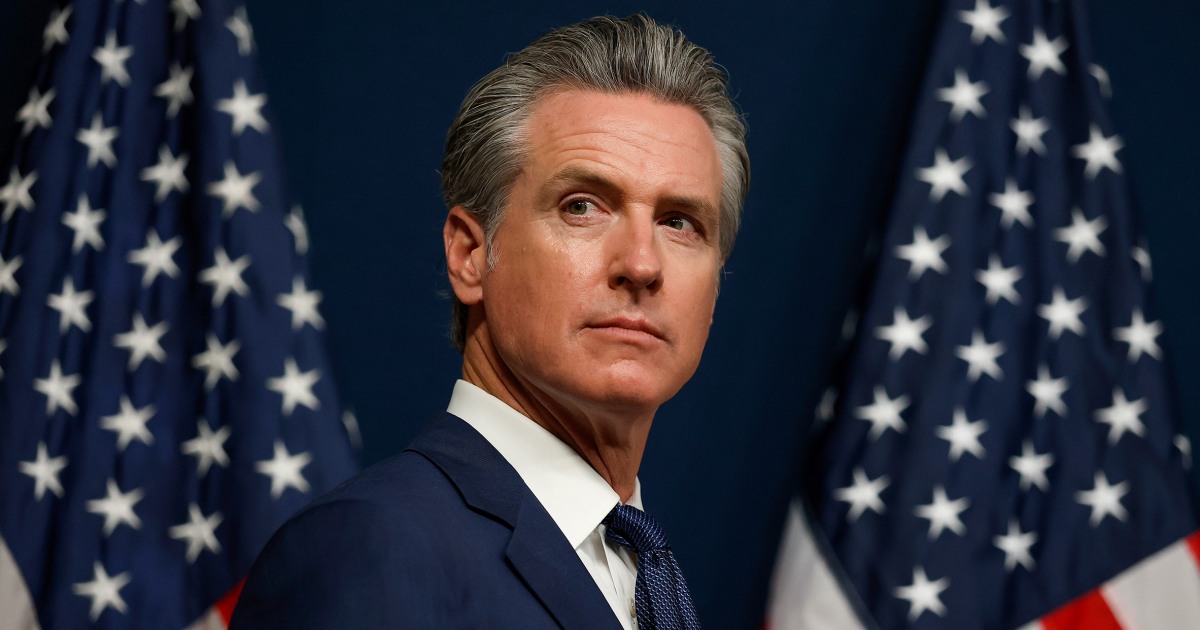
In a landmark move that positions California at the forefront of artificial intelligence oversight, Governor Gavin Newsom signed the Transparency in Frontier Artificial Intelligence Act (SB53) into law on Monday. This pioneering legislation introduces new requirements specifically targeting the most influential AI companies, mandating them to increase transparency and report safety-related incidents associated with powerful AI models.
Governor Newsom emphasized the importance of balancing innovation with public safety in his statement, saying, “California has proven that we can establish regulations to protect our communities while also ensuring that the growing AI industry continues to thrive. This legislation strikes that balance.”
SB53 distinguishes itself as the first law in the United States explicitly designed to regulate the development and deployment of cutting-edge AI systems. Its implications are far-reaching, especially considering that 32 of the world’s top 50 AI firms are headquartered in California.
Transparency and Safety at the Core
The new law requires leading AI developers to publicly disclose how they are incorporating best practices in the development of their AI technologies. These disclosures aim to promote responsible innovation and ensure that safety remains a top priority in the race to develop advanced AI systems.
In addition to transparency mandates, SB53 establishes a formal mechanism for companies to report significant AI incidents to the California Office of Emergency Services. Whistleblower protections are also strengthened, encouraging insiders to report health and safety concerns without fear of retaliation.
The law is backed by civil penalties for non-compliance, which will be enforced by the California Attorney General’s office. This gives the state tangible power to hold companies accountable if they fail to meet the new standards.
Political and Industry Reactions
State Senator Scott Wiener, who authored the bill, highlighted the need for measured oversight. “With a technology as transformative as AI, we have a responsibility to support that innovation while putting in place commonsense guardrails to understand and reduce risk,” Wiener stated.
Interestingly, SB53 follows a similar legislative effort by Wiener—SB1047—which Governor Newsom vetoed one year ago. That earlier bill was more focused on assigning liability to AI companies, whereas SB53 leans toward promoting transparency and safety.
Despite the generally supportive tone from lawmakers, the bill has faced significant criticism from industry groups. The Chamber of Progress and the Consumer Technology Association expressed concerns about the potential stifling effect on innovation. Meta’s Vice President of Public Policy, Brian Rice, echoed this sentiment, warning that “Sacramento’s regulatory environment could stifle innovation, block AI progress, and put California’s technology leadership at risk.”
However, not all tech leaders oppose the bill. Anthropic, a leading AI company, publicly endorsed SB53. Jack Clark, co-founder and head of policy at Anthropic, stated, “Governor Newsom’s signature on SB53 establishes meaningful transparency requirements for frontier AI companies without imposing prescriptive technical mandates.” Clark emphasized the importance of federal standards but praised California’s efforts in creating a strong foundational framework.
Push for Federal Regulation
Though some companies back California’s efforts, many have expressed a preference for federal legislation to avoid a fragmented, state-by-state regulatory landscape. OpenAI’s Chief Global Affairs Officer, Chris Lehane, shared on LinkedIn, “America leads best with clear, nationwide rules, not a patchwork of state or local regulations. Fragmented state‑by‑state approaches create friction, duplication, and missed opportunities.”
Responding to this need for federal oversight, U.S. Senators Josh Hawley (R-Mo.) and Richard Blumenthal (D-Conn.) introduced a federal bill on Monday that would mandate leading AI developers to assess advanced AI systems and gather data on potential risks. The proposed legislation also includes the creation of an Advanced Artificial Intelligence Evaluation Program under the Department of Energy, aligning with the transparency and reporting goals of SB53.
Global Attention on AI Risks
Calls for AI regulation are not limited to the United States. Speaking at the United Nations General Assembly last week, President Donald Trump acknowledged the double-edged nature of AI, calling it both “one of the great things ever” and a potential danger. Ukrainian President Volodymyr Zelenskyy also addressed the urgency of oversight, stating, “We are now living through the most destructive arms race in human history because this time, it includes artificial intelligence.”
California’s proactive stance is likely to influence both national and international discourse on AI regulation. As the tech world watches closely, SB53 may become a model for striking a balance between innovation and public safety in the rapidly evolving AI landscape.
This article is inspired by content from Original Source. It has been rephrased for originality. Images are credited to the original source.