

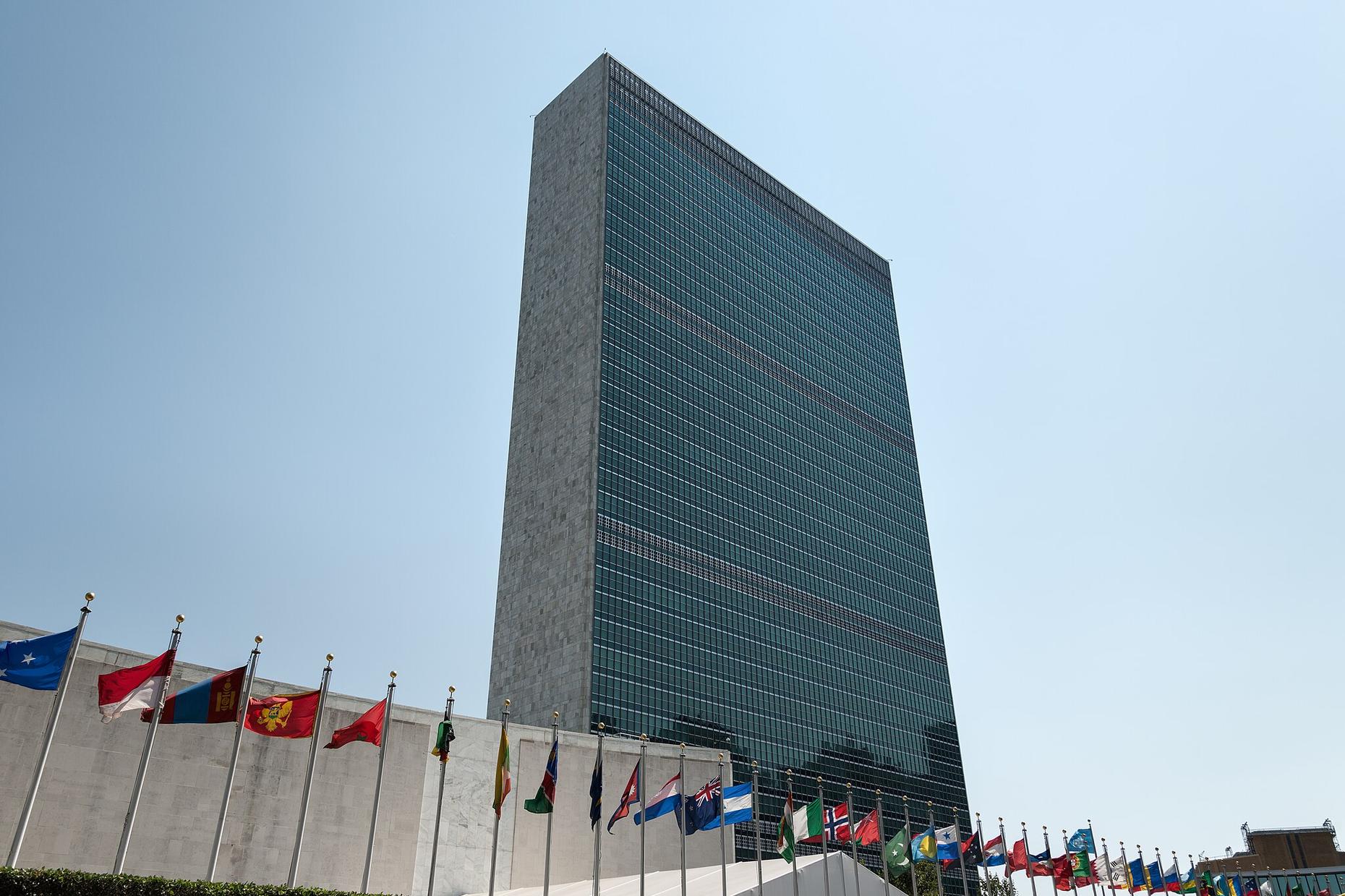
United Nations Engages with the Future of Artificial Intelligence
The United Nations has taken a significant step in addressing the rapidly evolving field of artificial intelligence (AI). As AI technologies continue to advance and influence nearly every aspect of modern life, world leaders and experts are coming together under the U.N. umbrella to assess its implications. The organization is working to establish global standards, ethical guidelines, and regulatory frameworks to ensure AI benefits humanity while minimizing potential harms.
Understanding the Dual Nature of AI
Artificial intelligence presents a dual-edged sword: on one hand, it offers revolutionary improvements in healthcare, education, climate science, and economic development. On the other, it raises serious concerns about job displacement, privacy invasion, misinformation, surveillance, and even autonomous weapons. The U.N. discussions aim to balance these opportunities and risks.
Antonio Guterres, the U.N. Secretary-General, has emphasized the importance of international cooperation in managing AI’s impact. He noted that technological development must be guided by shared values, especially as AI systems increasingly make decisions that can affect human lives.
Global Collaboration on AI Ethics and Governance
One of the key focuses of the U.N.’s AI agenda is promoting ethical standards. The organization is working with member states, experts, and civil society to create a framework that promotes transparency, accountability, and fairness in AI systems. This includes ensuring that AI tools do not reinforce bias or discrimination and that data privacy is maintained.
UNESCO, the United Nations Educational, Scientific and Cultural Organization, has already developed a global recommendation on the ethics of AI. Approved by 193 member states, this document outlines principles such as fairness, human rights, inclusivity, and environmental sustainability. It sets a precedent for how international bodies can come together to address complex technological issues.
AI and the Sustainable Development Goals
The U.N. also sees AI as a powerful ally in achieving its Sustainable Development Goals (SDGs). From combating climate change with predictive modeling to improving access to education through personalized learning platforms, AI can significantly accelerate progress. However, this potential can only be realized if access to AI technologies is equitable and inclusive, particularly for developing nations.
Achim Steiner, Administrator of the U.N. Development Programme (UNDP), highlighted that while AI holds promise, the digital divide still prevents many countries from harnessing its full benefits. He called for increased investment in digital infrastructure and capacity building to ensure that AI contributes to global development, rather than exacerbate existing inequalities.
Challenges in Regulation and Accountability
Despite the enthusiasm, regulating AI remains a daunting task. The technology is evolving faster than legislation can keep up, and many AI systems operate in opaque ways that make accountability difficult. The U.N. is proposing international oversight mechanisms that could help monitor the deployment of AI, particularly in high-risk applications like facial recognition and predictive policing.
Furthermore, the global nature of AI means that unilateral regulations may not be enough. Cross-border data flows, multinational tech firms, and differing national interests complicate the regulatory landscape. The U.N. hopes to serve as a neutral platform where countries can negotiate shared rules and best practices.
Voices from Civil Society and Academia
In addition to government representatives, the U.N. has invited voices from academia, the private sector, and civil society to contribute to the AI dialogue. These stakeholders play a crucial role in shaping ethical norms and technical standards. Their involvement ensures that the conversation around AI isn’t limited to policymakers but includes those directly involved in its design and deployment.
Kate Crawford, a senior principal researcher at Microsoft and a leading scholar on the social implications of AI, stressed the need for transparency in how AI systems are trained and used. She warned against “black box” algorithms that make decisions without clear explanations, particularly in critical areas like healthcare and criminal justice.
The Path Forward
As discussions progress, the U.N. aims to establish a global advisory body on AI, composed of multidisciplinary experts from around the world. This panel would offer guidance on emerging issues, promote ethical standards, and support capacity-building initiatives in underserved regions. Its creation marks a proactive step toward shaping the future of AI in a responsible and inclusive manner.
Ultimately, the U.N.’s involvement in AI governance reflects a broader recognition that technology must serve the common good. By fostering international dialogue and cooperation, the organization seeks to ensure that AI development aligns with human values and global priorities.
This article is inspired by content from Original Source. It has been rephrased for originality. Images are credited to the original source.