

ASML CFO Warns EU AI Regulations Are Hurting Competitiveness
EINDHOVEN, The Netherlands — A senior executive from ASML, the Dutch semiconductor powerhouse, has strongly criticized the European Union’s approach to regulating artificial intelligence, claiming it is pushing top tech talent and innovation out of Europe and into the hands of competitors like the United States.
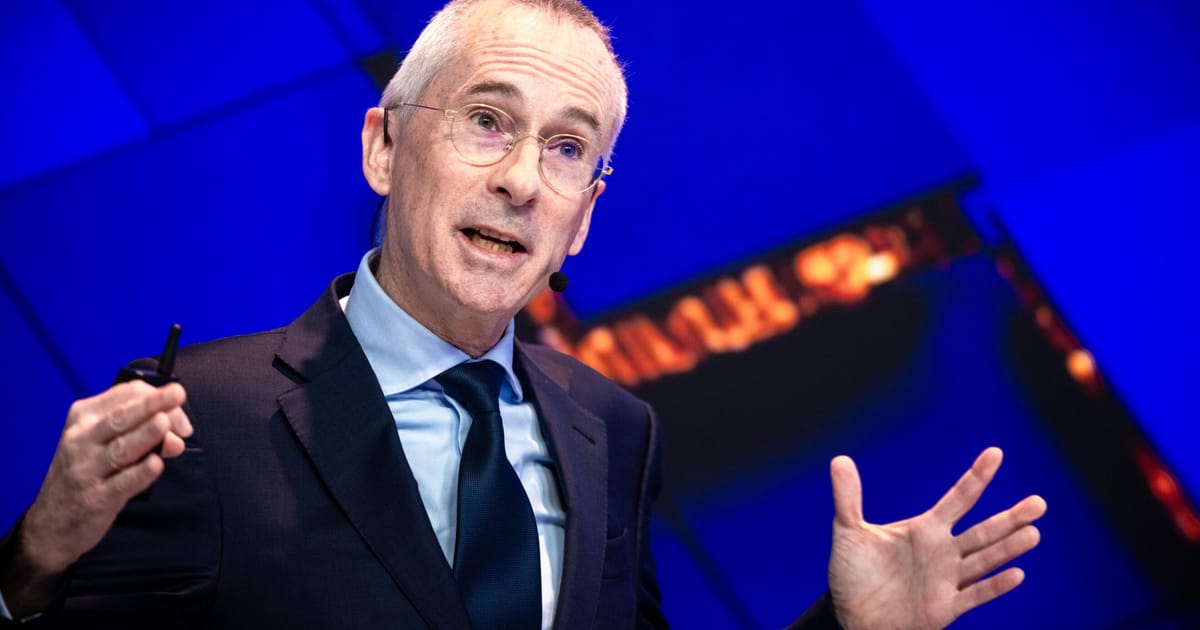
Roger Dassen, Chief Financial Officer of ASML, voiced his concerns during a political event in Eindhoven on Monday evening. He argued that Europe’s early emphasis on regulating AI is stifling innovation and discouraging skilled professionals from staying in the region.
“Why is it so difficult to get AI done in Europe?” Dassen asked. “Simply because we started with regulating, to keep AI under the thumb. Someone who has a talent for artificial intelligence, the first thing they do with their hard-earned money is buy a ticket to Silicon Valley.”
EU AI Law Faces Growing Criticism from Tech Leaders
Dassen’s comments were delivered at a campaign event for the center-right Dutch political party Christian Democratic Appeal, ahead of national elections scheduled for October 29. His remarks add to a growing chorus of criticism against the EU’s flagship Artificial Intelligence Act, which has drawn scrutiny from industry leaders for its restrictive measures.
ASML, Europe’s most valuable tech company by market capitalization, has actively lobbied for a pause on parts of the AI law that have not yet been enforced. In July, ASML joined 45 other companies in signing a letter calling for a two-year moratorium on the legislation to allow for more thoughtful implementation.
In a strategic move to strengthen its influence in the AI sector, ASML invested €1.3 billion in September to become the largest shareholder of French AI startup Mistral. The investment underlines ASML’s growing stake in how the EU shapes its technological future.
Geopolitical Challenges and Lack of EU Protection
Dassen also expressed frustration with what he perceives as insufficient support and protection for Europe’s leading tech firms amid the complex geopolitical landscape. He pointed to the struggle for technological supremacy between the United States and China, suggesting that European firms often feel left to fend for themselves.
“You should ask the Airbuses, the Nokias, the ASMLs whether they feel protected by Europe at all times in this huge struggle of power that takes place between the United States and China,” Dassen said. “The answer won’t always be yes.”
This sentiment comes as ASML faces ongoing pressure from the U.S. government to restrict sales of its most advanced chip-making machines to China. The Netherlands has been caught in the crossfire of this global chip war, with Washington lobbying The Hague to limit ASML’s dealings with Beijing.
Access to EU Policymakers Remains a Challenge
Concerns about limited access to EU decision-makers were also highlighted by ASML’s top lobbyist, Frank Heemskerk, at the POLITICO Competitive Europe summit in Brussels last week. Heemskerk noted the difficulty in securing meetings with high-ranking EU officials, comparing the experience unfavorably to interactions with U.S. policymakers.
“It’s not always easy,” Heemskerk said. “It’s easier to get a meeting in the White House with a senior official than to get a meeting with a European commissioner.” His comments echo a previous ASML executive’s complaint about the EU’s bureaucratic hurdles and lack of engagement with industry leaders.
Calls for a Unified EU Capital Market
As part of his broader critique, Dassen also urged the EU to accelerate efforts toward completing a capital markets union, a long-standing initiative aimed at creating a single market for capital across member states. He argued that the current fragmented system makes it difficult for startups to scale and secure the funding they need to grow.
“We are very good at startups, but we’re worthless at scale-ups,” Dassen remarked. He emphasized that a unified capital market would provide European entrepreneurs with greater access to investment, helping them to compete globally.
Dassen’s remarks underscore a growing divide between European regulators and the continent’s tech industry. As Europe pushes ahead with stringent AI legislation, companies like ASML are increasingly vocal about the risks of falling behind in the global tech race.
This article is inspired by content from Original Source. It has been rephrased for originality. Images are credited to the original source.