

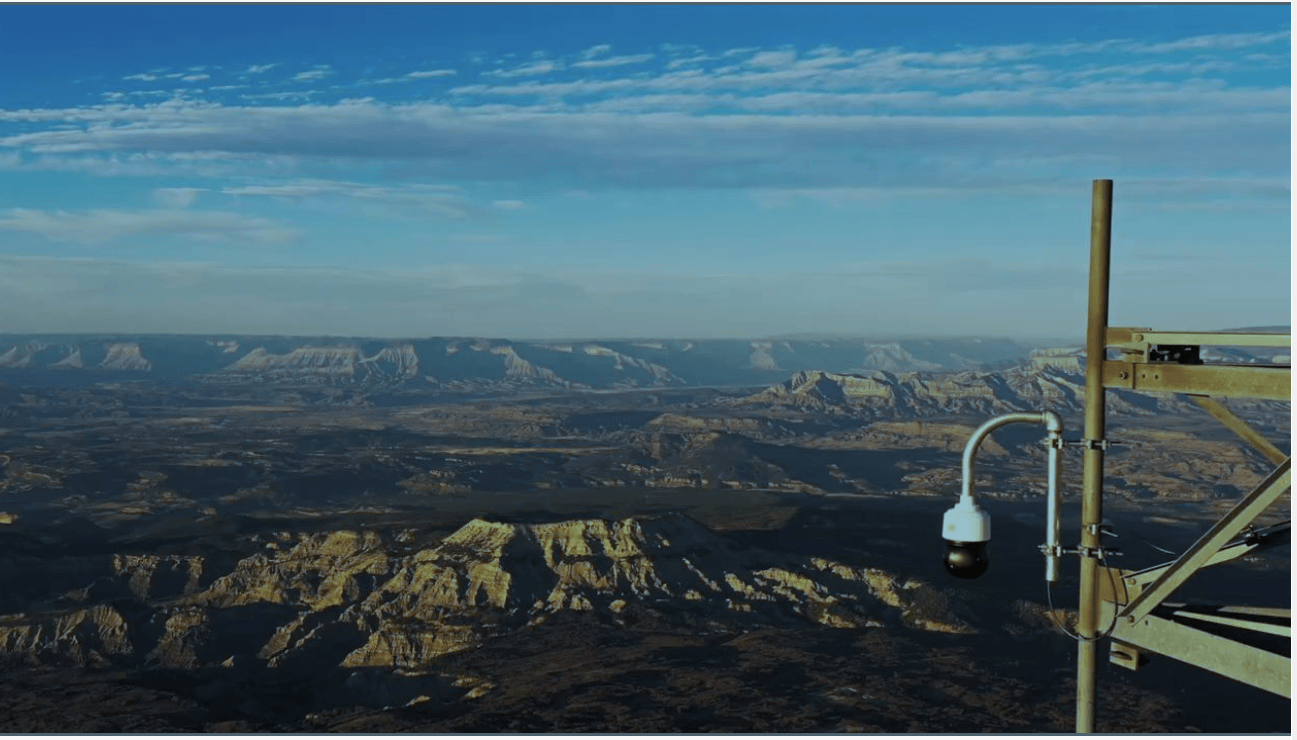
Advanced AI Cameras Deployed to Detect Wildfires Early
In a groundbreaking move to strengthen wildfire prevention efforts, artificial intelligence–powered cameras have been deployed in Minnesota for the first time. Installed by Xcel Energy, these cutting-edge devices are stationed in Mankato and Clear Lake. Their mission: to detect signs of wildfires before flames grow out of control.
The technology enables the cameras to continuously scan vast swaths of sky and landscape for any indication of smoke or abnormal heat signatures. Once a potential threat is identified, the system sends immediate alerts to utility companies and emergency response teams. This real-time feedback allows firefighters and first responders to act swiftly, potentially stopping disasters before they start.
How the Technology Works
The AI cameras use a combination of optical sensors and machine learning algorithms to identify visual patterns associated with wildfires. The system is trained to distinguish between harmless activities, like fog or human-made smoke, and dangerous fire-related emissions. It even analyzes the size and movement of smoke plumes to determine their threat level.
Each camera covers a wide geographic area, offering a panoramic view that would be impossible for human observers to monitor continuously. The data collected is processed instantly, and suspicious activity is flagged within seconds. This allows emergency response units to assess risks and mobilize resources rapidly.
Enhancing Wildfire Response in Minnesota
Minnesota has seen an uptick in wildfires in recent years, particularly along the North Shore and other forested regions. With climate change contributing to drier conditions and longer fire seasons, early detection has become more crucial than ever.
“The sooner we know about a wildfire, the better chance we have to contain it before it spreads,” said an Xcel Energy spokesperson. “These AI-powered cameras are part of our broader strategy to modernize our infrastructure and improve community safety.”
The initiative is also a response to recent fires, including the Camp House Fire allegedly caused by an unattended campfire. Rapid detection might have prevented the escalation of such incidents.
Real-time Alerts and Data Sharing
One of the key strengths of the AI system is its ability to provide instantaneous alerts to multiple stakeholders. When a potential fire is detected, notifications are sent directly to utility operators, local fire departments, and emergency services. This collaborative approach ensures that everyone is on the same page and can coordinate an efficient response.
Additionally, the system stores and analyzes data over time, enabling predictive modeling and long-term planning. By identifying high-risk zones and trends, authorities can take proactive measures to reduce future wildfire risks.
Public and Environmental Safety
Beyond the immediate benefit of faster wildfire detection, the AI camera system aims to protect public health and preserve Minnesota’s natural landscapes. Wildfire smoke poses significant health risks, especially for individuals with respiratory conditions. Early detection and rapid response help minimize smoke exposure and the environmental damage caused by uncontrolled fires.
“This is about protecting lives, homes, and ecosystems,” said a representative from the Minnesota Department of Natural Resources. “We’re working closely with utilities and tech partners to build a safer future for our state.”
The Future of AI in Disaster Prevention
The deployment of AI cameras in Minnesota marks a significant step forward in the use of technology for public safety. As the system proves effective, it’s likely to expand to other parts of the state and potentially serve as a model for other regions facing similar wildfire threats.
Other utilities and municipalities are closely watching Minnesota’s implementation, considering similar solutions for their own wildfire-prone areas. The success of this program could pave the way for a nationwide adoption of AI-based fire detection systems.
With climate change accelerating natural disasters, innovation like this is no longer optional—it’s essential. Minnesota’s proactive approach demonstrates how technology and public policy can work together to address emerging challenges.
This article is inspired by content from Original Source. It has been rephrased for originality. Images are credited to the original source.