

Breakthrough AI Technology Brings Hope to Infertile Couples
After nearly two decades of unsuccessful attempts to conceive, a couple in the United States is now expecting their first child—thanks to the power of artificial intelligence. This medical milestone was achieved through a pioneering system developed by fertility experts at Columbia University, demonstrating the transformative potential of AI in reproductive medicine.
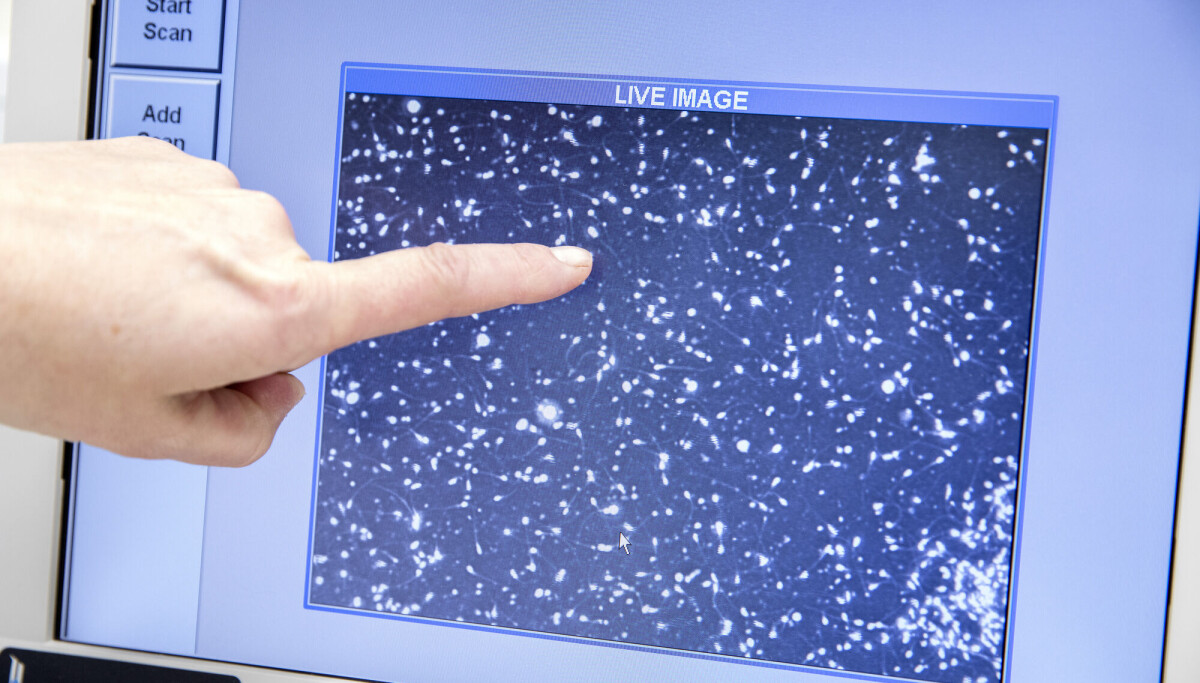
At Columbia University’s fertility center, doctors have created an advanced imaging tool known as Sperm Tracking and Recovery (STAR). This breakthrough AI-based microfluidic platform is capable of locating and isolating rare sperm cells in semen samples in real time, even in cases where traditional analysis fails to detect any sperm presence.
The Challenge of Azoospermia
The technology is particularly helpful in addressing azoospermia, a condition where no sperm cells are detected in a man’s semen. According to Dr. Zev Williams, who leads the STAR team, approximately 1% of men and up to 15% of men experiencing fertility problems are affected by azoospermia.
“It’s like finding a needle hidden within a thousand haystacks,” Dr. Williams told Time Magazine. Traditional fertility experts can struggle to identify these rare cells, but STAR can analyze millions of high-resolution images quickly, making detection possible in just a few hours.
How the STAR System Works
The STAR platform captures up to eight million microscopic images of sperm samples and uses AI algorithms to identify viable sperm cells. In a recent case, this system reviewed 2.5 million images from a 3.5-milliliter semen sample that had previously been deemed sperm-free. Within two hours, STAR identified seven sperm cells—two motile and five immobile.
These two motile sperm were then carefully extracted and injected into two mature egg cells. Both eggs successfully developed into embryos. On the third day, both embryos were transferred to the woman’s uterus, and 13 days later, she tested positive for pregnancy for the first time. An eight-week ultrasound confirmed a healthy fetal heartbeat of 172 beats per minute.
A Landmark in Fertility Treatment
The pregnancy, announced earlier this year, is considered a significant achievement in the use of AI for addressing male infertility. The baby is expected to be born in December, marking a hopeful turning point for couples facing similar challenges.
“Male-related issues contribute to around 40% of infertility cases in the U.S., and azoospermia accounts for roughly 10% of those,” explained Dr. Williams. “Until now, options were limited, often involving donor sperm or invasive surgery. This technology gives couples new possibilities.”
In recognition of its innovation, TIME Magazine named STAR one of the best inventions of 2025.
Norway’s Parallel Developments in AI Fertility Tools
While the United States leads with the STAR system, researchers in Norway are also making strides in AI-assisted reproduction. Scientists at UiT The Arctic University of Norway and the University Hospital of North Norway (UNN) have developed Spermotile, a tool that uses artificial intelligence to analyze and select high-quality sperm for assisted reproduction.
“We’re still in the R&D phase and aim to commercialize the technology by 2027,” said Lars Sørensen, business developer at Norinnova, the organization overseeing the project. Although Spermotile is not specifically designed for azoospermia cases, it could still support clinics in handling such conditions more effectively.
“The success of STAR is inspiring. It underscores how AI can revolutionize fertility treatments,” Sørensen added.
Global Progress in AI and Fertility
Meanwhile, researchers at OsloMet have been exploring AI in fertility treatment for years, particularly focusing on identifying the best sperm and embryos. Professor emeritus Trine B. Haugen notes that although Norway was an early entrant in this field, global development has accelerated dramatically.
“Traditionally, sperm extraction for azoospermia involved invasive testicular surgery, which is often unsuccessful,” Haugen explained. “The American approach, using non-invasive AI analysis, presents a promising alternative for these patients.”
OsloMet’s current efforts focus on enhancing the speed and accuracy of semen analysis using AI, aiming to outpace conventional methods and improve the overall infertility evaluation process.
A New Era for Reproductive Health
The successful use of AI to facilitate conception after 19 years of failed attempts is more than just a personal triumph—it signifies a broader shift in how technology can assist couples struggling with infertility. With continued advancements and global collaboration, AI may soon become a standard tool in fertility clinics worldwide, offering new hope to millions.
This article is inspired by content from Original Source. It has been rephrased for originality. Images are credited to the original source.