

The Legal Profession’s Overlooked Frontier
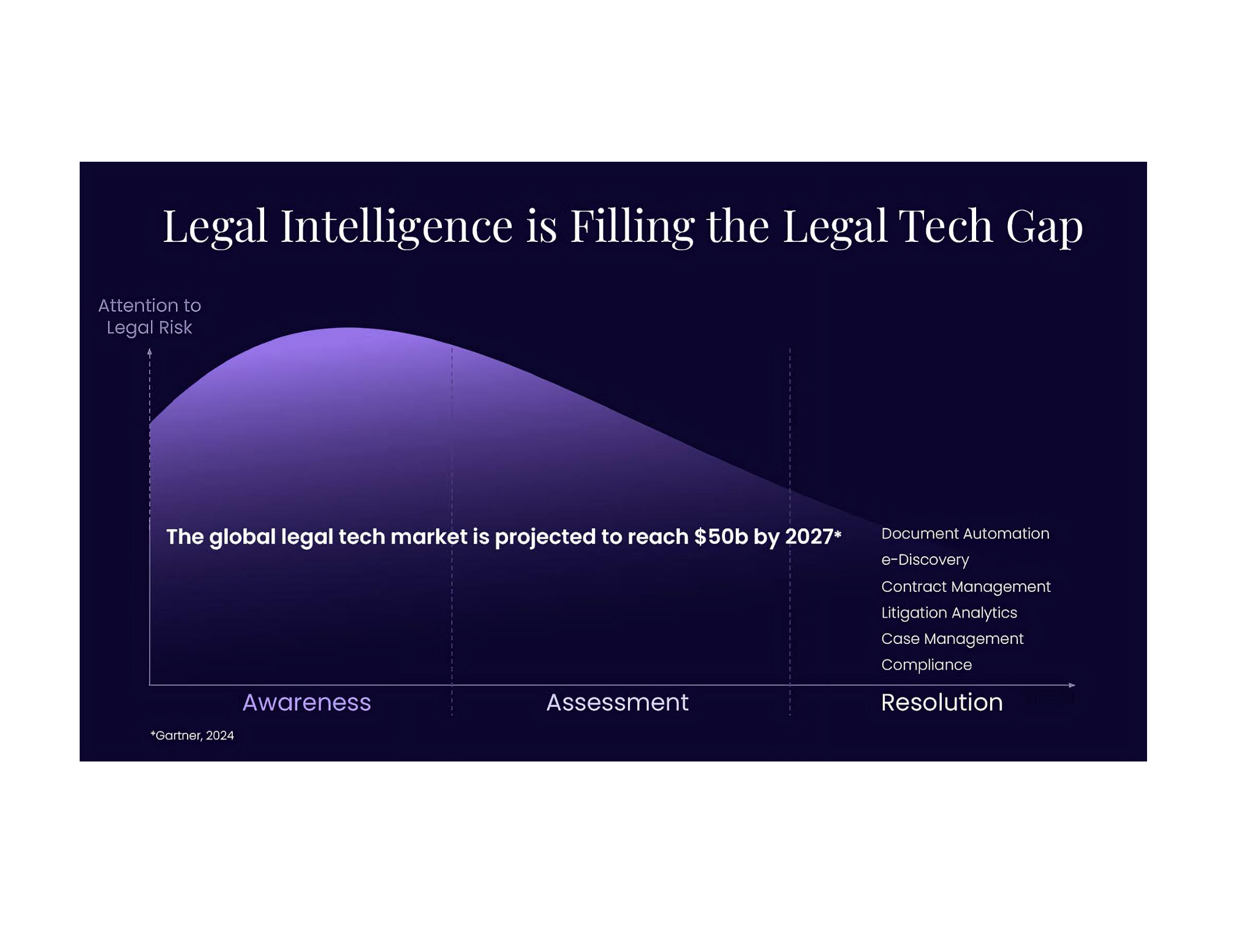
Legal intelligence is rapidly reshaping the landscape of legal practice, addressing one of its most persistent challenges: identifying harm before it reaches the courtroom. While technology has streamlined processes such as document review and case management, much of the legal industry still operates under a reactive model. That is, attorneys typically become involved only after harm has already occurred and someone steps forward seeking justice.
However, vast amounts of systemic harm—ranging from environmental violations to consumer fraud—often go unnoticed because the underlying issues remain fragmented and hidden. These are the types of cases that never get filed because no one has yet connected the dots. This blind spot represents a significant opportunity for transformation through legal intelligence.
Moving Beyond the Reactive Legal Model
Historically, legal professionals have responded to problems brought to them by clients. This reactive approach made sense in an era with limited data and rudimentary research tools. But it comes with significant drawbacks. By the time a case lands on a lawyer’s desk, critical evidence may have been lost, and the optimal window for legal action may have passed.
Legal intelligence, however, enables a proactive approach. Companies like Darrow are leveraging artificial intelligence to scan enormous datasets—from regulatory filings and consumer complaints to court records and corporate disclosures. These tools can identify patterns of systemic harm months or even years before they would typically come to light through traditional methods.
Signal Detection at Scale
The complexity of frontline legal work has always been a matter of scale and signal detection. Imagine a pharmaceutical company with thousands of adverse event reports scattered across jurisdictions and databases. Traditional research might uncover a few alarming cases, but would likely miss overarching trends.
This is where machine learning truly shines. Advanced algorithms can analyze millions of data points, cluster similar occurrences, and highlight statistical anomalies that would elude human reviewers. Such capabilities have already helped uncover issues related to defective medical devices, securities fraud, and environmental hazards.
One notable example involved a plaintiff-side law firm that collaborated with Darrow to develop a custom medical liability detection tool. This innovative solution allowed the firm to detect pharmaceutical and medical product violations at scale, estimate case value and plaintiff volume, and prioritize high-impact cases effectively.
Revolutionizing Risk Assessment
One of the most resource-intensive aspects of plaintiff practice is the initial case evaluation. Law firms often spend weeks assessing whether a potential case is worth pursuing. The risks are significant: invest in the wrong case and waste resources; overlook a strong case and miss a lucrative opportunity.
Legal intelligence transforms this equation by front-loading the analytical workload. Instead of starting with a few complaints and expanding outward, attorneys can begin with a comprehensive overview of possible harm. They gain access to data on estimated class sizes, potential damages, and legal precedents before making a commitment.
This data-rich starting point allows lawyers to make more informed decisions, reducing guesswork and improving the efficiency of legal practice significantly.
The Power of Human-AI Collaboration
Despite its capabilities, artificial intelligence is not a replacement for human attorneys. Legal judgment, interpretation, and advocacy remain distinctly human skills. What AI does provide is the ability to detect violations that would otherwise go unnoticed and to manage the scale of information that traditional methods cannot handle.
Think of AI not as a substitute but as an augmentation of human intelligence. Machines are adept at processing vast datasets and identifying recurring patterns. Attorneys, on the other hand, excel at contextual understanding and crafting compelling legal strategies. Together, they form a powerful alliance.
Firms that embrace this synergy are already gaining a competitive edge. They are identifying high-value cases before others, approaching clients with well-researched insights, and making smarter decisions about resource allocation.
Looking Ahead: A New Era of Legal Practice
For the first time in legal history, technology allows practitioners to identify systemic harm at scale. This shift from reactive to proactive practice can bring justice to countless individuals who might otherwise go unheard.
However, the value of legal intelligence depends on how well it is integrated into practice. The most successful attorneys will be those who combine AI’s analytical capabilities with human empathy, judgment, and advocacy. They will ensure that technology serves the profession’s ultimate mission: to identify harm and deliver justice.
Legal intelligence is more than a buzzword—it’s the foundation of the next chapter in legal evolution. It empowers attorneys to detect hidden violations, unlock high-impact cases, and ultimately, uphold the rule of law more effectively than ever before.
This article is inspired by content from Original Source. It has been rephrased for originality. Images are credited to the original source.