

US Moves Forward with AI Chip Exports to Saudi Arabia
The United States is preparing to authorize the first shipments of advanced artificial intelligence (AI) chips to Saudi Arabia’s state-backed tech firm, Humain, according to individuals familiar with the discussions. This strategic move comes amid growing cooperation between Washington and Riyadh on technological development and AI capabilities.
The decision is anticipated as part of a broader deal on AI collaboration between the two nations and is expected to coincide with a high-level meeting between Saudi Crown Prince Mohammed bin Salman and US President Donald Trump. The accord, which could be finalized within days, would mark a significant milestone in US-Saudi technology partnerships.
Strategic Implications of the Deal
The potential approval of chip exports represents a pivotal moment for Saudi Arabia’s ambitions to become a global player in artificial intelligence. The kingdom has invested heavily in AI initiatives through its Vision 2030 program, aiming to diversify its economy and reduce its reliance on oil revenues.
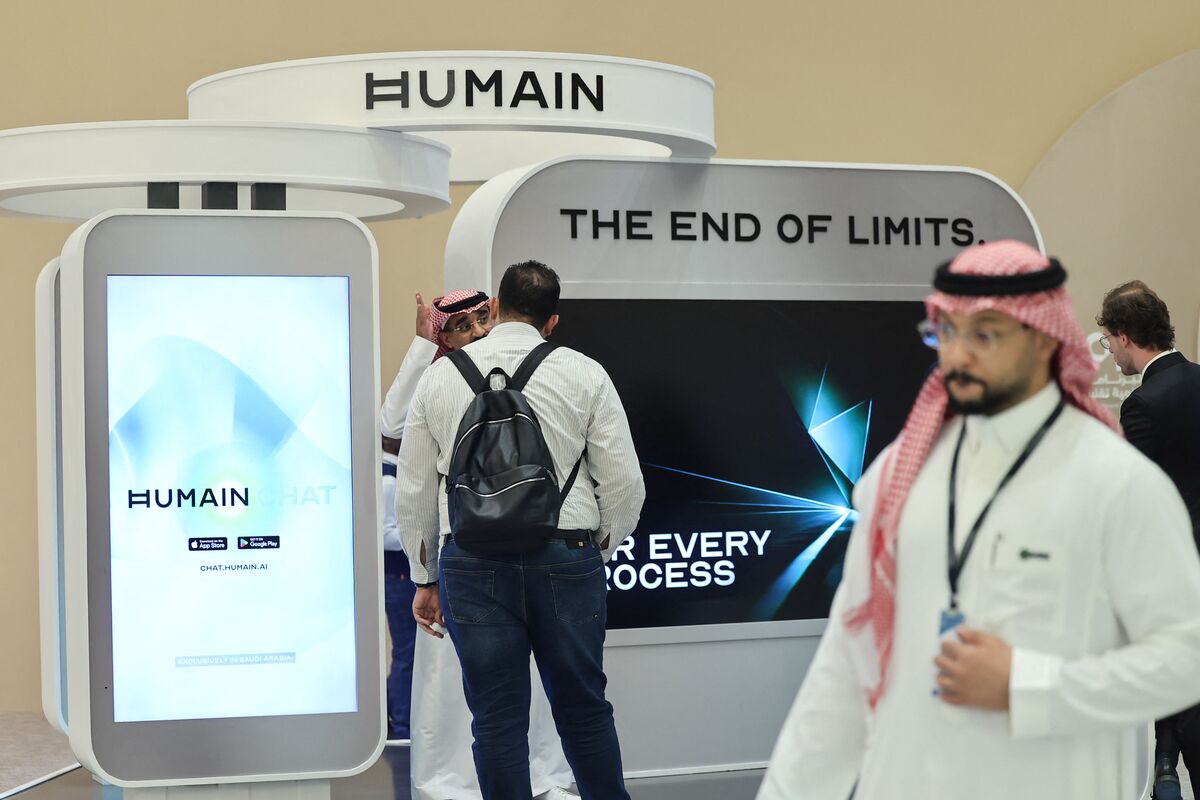
Humain, the AI company at the center of the deal, has emerged as a key player in Saudi Arabia’s technological transformation. Launched with the backing of the Public Investment Fund (PIF), the company aims to build regional leadership in AI research, development, and infrastructure.
According to sources familiar with the matter, the agreement will allow US chipmakers to submit export applications for a predetermined volume of AI chips bound for Humain. While export controls have been in place since 2023, this deal would provide a clearer pathway for approved transactions, pending US government review.
Background on Export Restrictions
Since 2023, the US has imposed strict regulations on the export of high-performance AI chips amid concerns over national security and the global race for AI supremacy. These controls were primarily designed to limit access to cutting-edge technology by potential adversaries. However, partners and allies, including Saudi Arabia, have lobbied for exceptions to support their national tech initiatives.
The Biden administration, and now the Trump administration in its current term, have weighed these requests carefully, balancing security interests against the desire to maintain strategic alliances and influence in the Middle East.
Humain’s access to advanced US technology could significantly bolster its capabilities, enabling the firm to develop powerful AI systems and compete with regional and global players.
Emerging AI Hub in the Gulf
Saudi Arabia has made AI a central pillar of its modernization strategy. The kingdom hosted the Future Investment Initiative conference in Riyadh, where Humain showcased its vision for AI-driven innovation. The event attracted global investors and tech leaders, signaling Saudi Arabia’s intent to emerge as a leading AI hub in the Gulf region.
With domestic investments in data centers, education, and research institutions, Saudi Arabia is positioning itself to lead in AI deployment across sectors such as health care, energy, urban development, and security. The availability of US-produced AI chips is expected to accelerate these efforts.
Industry analysts suggest that such partnerships could redefine the geopolitical landscape of technology, with the US leveraging its AI leadership to forge stronger ties with allies in the Middle East.
Corporate and Diplomatic Reactions
While the names of the specific chip manufacturers involved in the potential deal were not disclosed, leading US companies such as Nvidia and AMD are known for producing the types of AI chips sought by global clients. These companies have seen increasing demand for their products amid the global AI boom.
Representatives from the US Department of Commerce and the Saudi Ministry of Investment declined to comment officially. However, insiders indicated that diplomatic channels have been active in preparing the groundwork for the agreement, with both nations viewing it as a step toward closer technological collaboration.
The meeting between Crown Prince Mohammed bin Salman and President Trump is expected to include discussions on broader economic and security issues, with AI cooperation as a key agenda item.
Looking Ahead
If finalized, the deal could open the door for future technology transfers and joint innovation projects between the US and Saudi Arabia. It may also encourage other nations to seek similar arrangements, further complicating the global regulatory landscape for AI technologies.
Experts warn that while such deals can foster economic growth and innovation, they must be accompanied by robust oversight to prevent misuse and ensure compliance with international norms.
The US government is expected to continue reviewing each export request on a case-by-case basis, ensuring that national security concerns are addressed while supporting allies’ technological ambitions.
This article is inspired by content from Original Source. It has been rephrased for originality. Images are credited to the original source.