

Are Layoffs Really About A.I.?
In recent months, a growing number of companies have attributed workforce reductions to the rise of artificial intelligence. Executives say they are preparing for a future where A.I. significantly transforms operations, leading to fewer human roles. In 2025 alone, over 50,000 layoffs were reportedly linked to A.I., according to data from Challenger, Gray & Christmas, a business research firm.
Amazon is one of the most high-profile examples. The tech giant announced 16,000 corporate job cuts in 2025, following a prior reduction of 14,000 positions. CEO Andrew Jassy initially linked the layoffs to A.I. implementation, stating in a blog post that generative A.I. would reshape work and reduce the corporate workforce over time. However, he later revised the statement, and Amazon clarified that the primary reason for the cuts was to streamline operations and reduce bureaucracy.
The Rise of ‘A.I.-Washing’
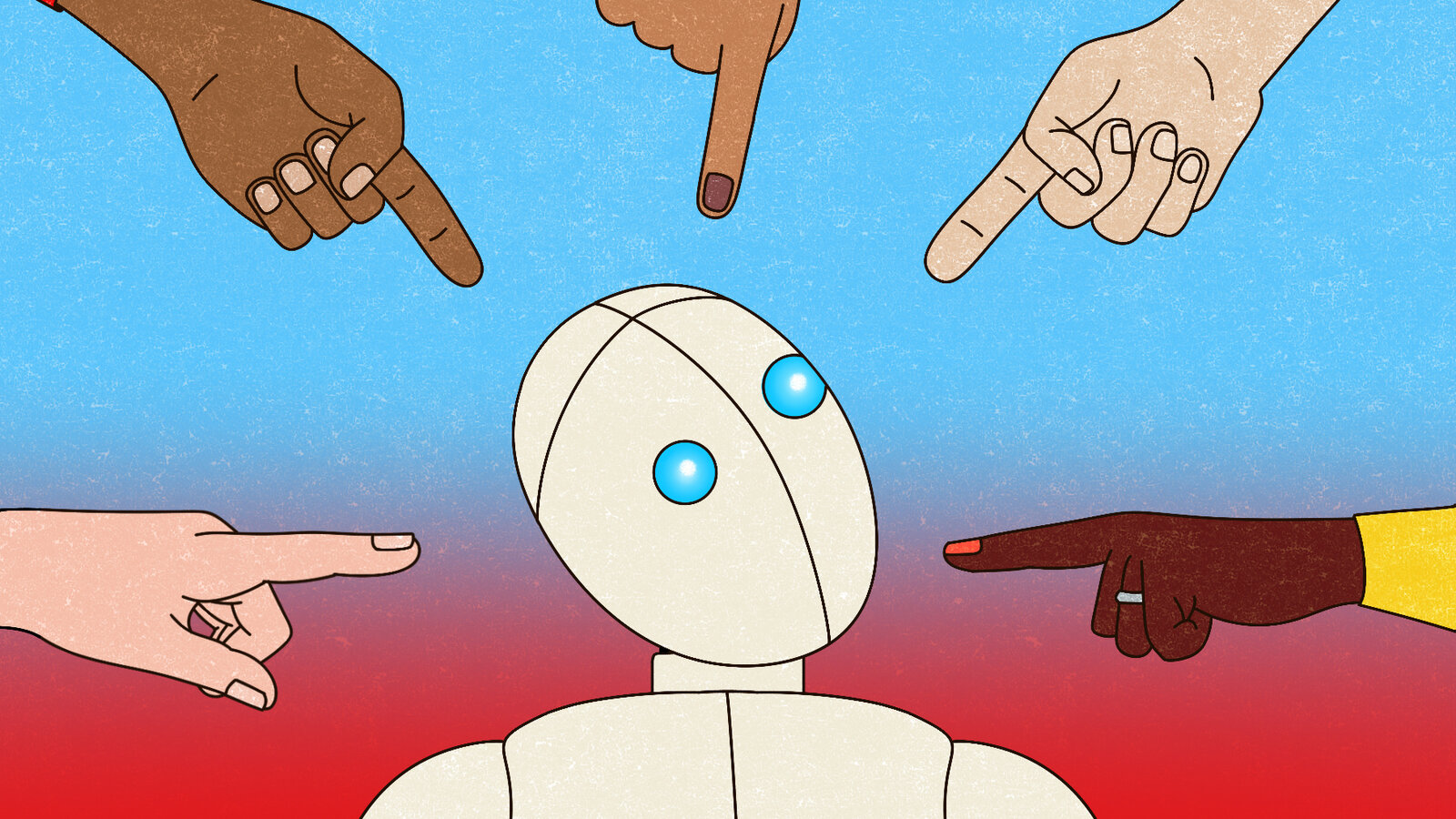
Despite these claims, skepticism is growing. Critics argue that many companies may be engaging in “A.I.-washing”—a term reminiscent of “greenwashing”—to justify layoffs that are actually driven by financial or strategic motives unrelated to A.I.
“Many companies announcing A.I.-related layoffs do not have mature, vetted A.I. applications ready to fill those roles,” said a recent report by Forrester Research. The report suggests that firms are using the promise of future A.I. capabilities to rationalize cost-cutting measures aimed at pleasing investors.
This concern is echoed by Peter Cappelli, a professor at the Wharton School, who notes, “Companies are saying that ‘we’re anticipating that we’re going to introduce A.I. that will take over these jobs.’ But it hasn’t happened yet. So that’s one reason to be skeptical.”
Investor Appeal vs. Reality
There’s no denying that pitching a company as A.I.-forward has become an attractive narrative for investors. Molly Kinder, a senior research fellow at the Brookings Institution, explained that by attributing layoffs to A.I., companies send a message that they are both cutting-edge and fiscally prudent.
“It’s a very investor-friendly message,” Kinder said. “Much more so than simply saying the business isn’t doing well.”
Hewlett-Packard provides another example. CEO Enrique Lores announced plans to integrate A.I. across HP’s operations, potentially resulting in up to 6,000 job cuts. Similarly, Pinterest revealed a 15% workforce reduction, stating the move would help reallocate resources toward A.I.-focused roles.
Has A.I. Really Changed the Labor Market?
Despite these announcements, actual evidence that A.I. is currently reshaping the labor market remains limited. A study conducted by Yale Budget Lab in collaboration with Brookings found that A.I. has yet to generate a significant shift in employment trends across industries.
The tech sector has been especially hard hit, with over 700,000 jobs lost globally since 2022, according to Layoffs.fyi. However, much of this is believed to be a correction following pandemic-era overhiring rather than a direct result of A.I. automation.
“Of course, A.I. may eventually lead to real, widespread changes in the job market,” said Kinder. “But right now, there’s a gap between what’s being said and what’s actually happening.”
A Convenient Explanation?
In some cases, attributing layoffs to A.I. may be a more palatable excuse for the public and regulators than admitting to poor business decisions or external pressures like tariffs. Kinder pointed out that in today’s politically sensitive climate, “it’s not as risky to frame layoffs as A.I.-related, even if potentially the real culprit is something else.”
The term “A.I.-washing” initially emerged to describe companies falsely claiming to use A.I. in their products or services. Now, its meaning has broadened to include the strategic use of A.I. as a justification for decisions that may have little to do with actual technological advancements.
While the long-term impact of artificial intelligence on employment remains to be seen, the current trend suggests that some companies may be leveraging the A.I. narrative more as a public relations tool than a reflection of reality.
This article is inspired by content from Original Source. It has been rephrased for originality. Images are credited to the original source.