

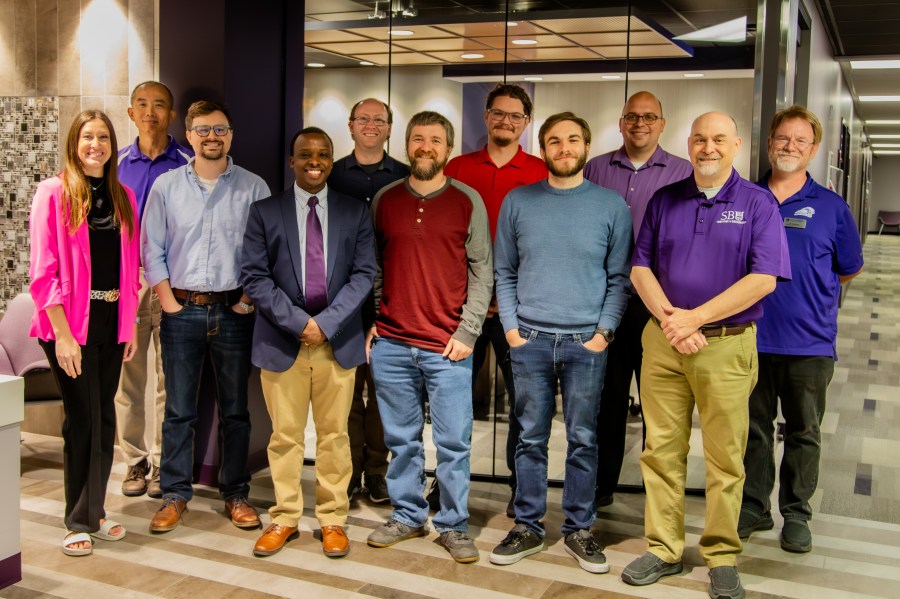
Southwest Baptist Introduces AI-Focused Bachelor’s Program
BOLIVAR, Mo. — Southwest Baptist University (SBU) has officially launched a new Bachelor of Science in Artificial Intelligence and Data Science, transforming its existing data science curriculum into a degree tailored to one of the fastest-growing fields in technology. This marks the university’s first undergraduate degree specifically focused on artificial intelligence.
According to a university press release, the rebranded program is purposefully designed to equip students with the practical skills necessary for modern careers in data analysis, machine learning, and applied AI technologies. The initiative is part of a broader effort by the university to align its academic offerings with evolving industry needs.
Meeting the Demands of a Changing Workforce
The decision to revamp the program comes in response to increasing demand for professionals with AI expertise. University officials noted that the language used in the tech industry and job market has shifted significantly, with artificial intelligence now playing a central role in data-related occupations.
Dr. Amos Gichamba, division head and associate professor of computing at SBU, emphasized the program’s real-world focus. “This program focuses on real-world skills that are highly relevant today,” Gichamba stated. “Students are empowered to solve industry challenges with AI and data-driven solutions.”
A recent report by the Brookings Institution projected that AI-related job postings have grown by an average of 29% annually in recent years, with particularly strong growth noted between 2024 and 2025. This underscores the importance of academic programs that prepare students to meet the expanding needs of the job market.
Curriculum Designed for Applied Learning
The newly updated curriculum includes a mixture of foundational and advanced courses. Students will study artificial intelligence, machine learning, data-driven decision-making, and computing ethics. In addition to classroom instruction, the program integrates hands-on learning through internships and real-world case studies, ensuring that students graduate with practical experience.
Dr. Troy Bethards, dean of SBU’s College of Professional Programs, highlighted the program’s long-term vision. “We’re not just preparing students for their first job,” said Bethards. “We’re thinking about what skills they’ll need five or ten years down the road.”
Accelerated Pathway to Graduate Education
Students enrolled in the program will also have the opportunity to participate in SBU’s 4+1 option. This accelerated track allows students to work toward both a bachelor’s and a master’s degree in artificial intelligence or data science within a five-year period. The dual-degree option is designed to provide students with a competitive edge in the job market and prepare them for leadership roles in tech-driven industries.
University representatives reported that the new AI-focused degree has already generated significant interest among prospective students. Enrollment inquiries for the fall 2026 class have seen an uptick, reflecting the appeal of forward-thinking academic programs that align with current and future employment trends.
Positioning Students for Future Success
With the launch of this new degree, Southwest Baptist University is positioning itself as a proactive institution that anticipates and responds to changes in the professional landscape. By emphasizing both technical proficiency and ethical considerations in AI application, SBU aims to produce graduates who are not only skilled but also socially responsible innovators.
As artificial intelligence continues to influence industries ranging from healthcare to finance, the demand for trained professionals is expected to rise. Programs like SBU’s Bachelor of Science in Artificial Intelligence and Data Science are vital in preparing the next generation of tech leaders who can harness the power of AI to create meaningful, data-driven solutions.
This article is inspired by content from Original Source. It has been rephrased for originality. Images are credited to the original source.