

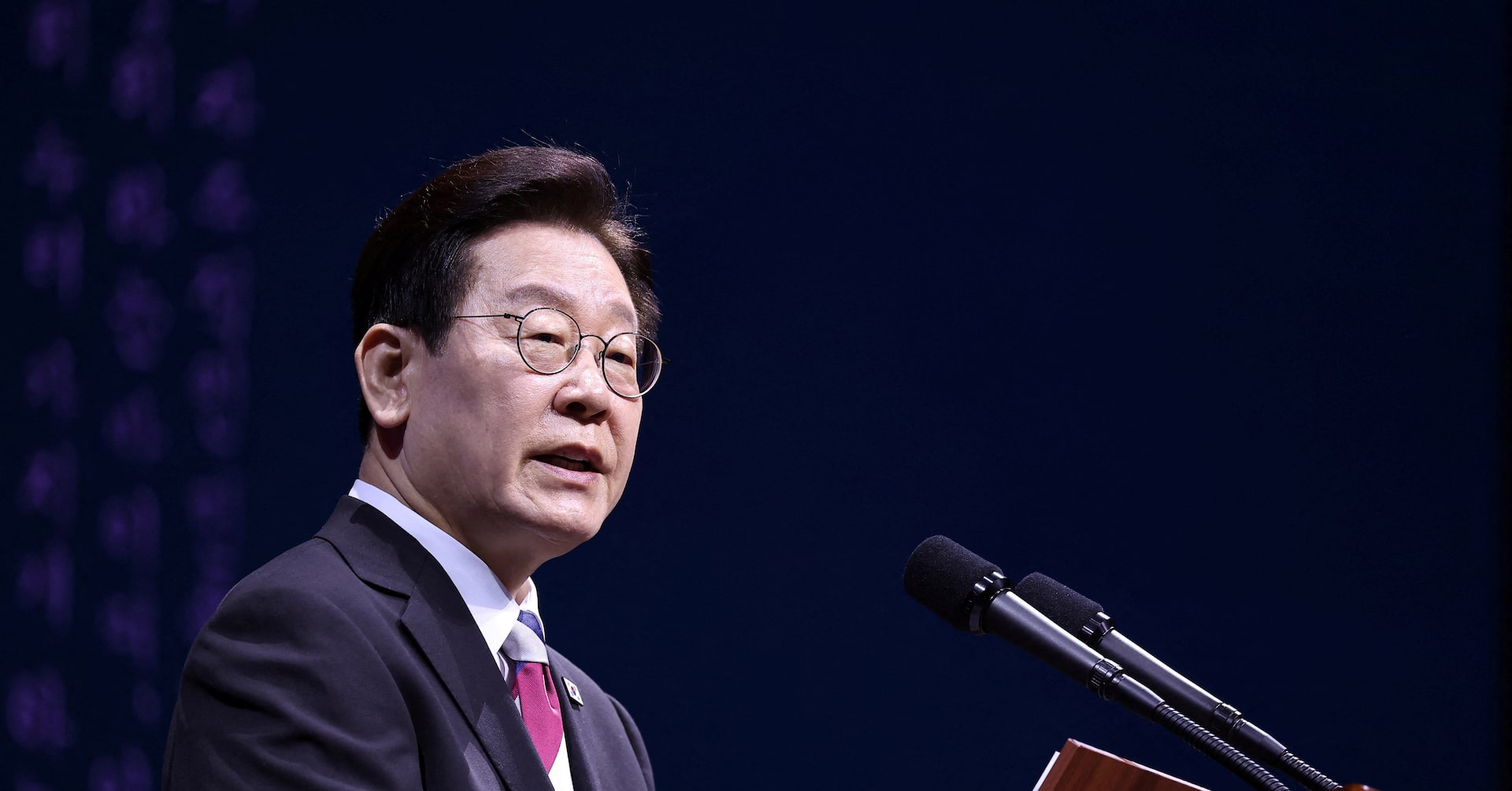
South Korea and Singapore Deepen Technological Cooperation
On March 2, 2026, South Korean President Lee Jae Myung and Singapore’s Prime Minister Lawrence Wong convened in Singapore for a high-level summit focused on expanding bilateral cooperation in advanced technology fields. The meeting, held at Singapore’s Ministry of Foreign Affairs, marked a significant step forward in the partnership between the two countries, with an emphasis on artificial intelligence (AI), nuclear energy, and other scientific innovations.
Summit Highlights: Focus on AI, Nuclear Energy, and More
During the summit, President Lee and Prime Minister Wong discussed an ambitious agenda centered on technological collaboration. The two leaders announced the commencement of talks to upgrade their existing Free Trade Agreement (FTA), which has been in effect since 2006. The upcoming negotiations aim to modernize the agreement, making it more relevant for today’s rapidly evolving economic and technological landscape.
The summit produced tangible outcomes, including the signing of five Memoranda of Understanding (MOUs). These MOUs outline cooperative efforts in several key areas:
- Small Modular Reactors (SMRs): Both nations agreed to collaborate on the development and deployment of SMRs for nuclear power generation, highlighting their commitment to sustainable and reliable energy sources.
- Artificial Intelligence (AI): Enhanced cooperation in AI research and application is expected to drive innovation and address shared challenges in automation and digital transformation.
- Quantum Technology and Space Satellites: The agreements include joint research initiatives in quantum computing and the exploration of new frontiers in satellite technology.
Economic and Investment Partnerships
President Lee also emphasized the importance of strengthening economic ties beyond technology. He revealed new partnerships between Singapore’s sovereign wealth fund, Temasek, its asset management arm Seviora Group, and the Korea Development Bank. These collaborations aim to foster mutual investment, finance innovative enterprises, and support economic growth in both countries.
Speaking at the joint press conference, President Lee remarked, “Singapore is a meaningful place where the historic U.S.-North Korea summit was held in 2018. I trust that you will continue to play a constructive role for peace on the Korean Peninsula and in the region.” His comments underscored Singapore’s diplomatic influence and its role as a host for critical international discussions.
Global and Regional Security Concerns
The two leaders also exchanged perspectives on pressing global issues, particularly the ongoing situation in the Middle East. Their discussions covered the potential impact on international security, global energy markets, and critical supply chains. Both leaders expressed hope for a restoration of peace and stability in the region, recognizing the interconnected nature of security and economic prosperity worldwide.
Prime Minister Wong and President Lee reaffirmed their countries’ shared values and mutual interests, highlighting the importance of stability in the Asia-Pacific and the broader international community. Their joint statements reflected a commitment to ongoing dialogue and cooperation on security, economic, and technological matters.
Looking Ahead: Building a Future-Ready Partnership
The summit in Singapore represents a milestone in the relationship between South Korea and Singapore. By prioritizing technological innovation, energy cooperation, and economic partnership, both nations are positioning themselves at the forefront of regional and global progress. The agreements signed and initiatives launched during the summit are expected to yield long-term benefits, driving growth, sustainability, and security for years to come.
As President Lee’s state visit concludes, both governments have signaled their intent to maintain momentum, ensuring that collaboration continues to deepen across all levels. The outcomes of the summit are anticipated to serve as a model for international cooperation in technology and innovation, setting a precedent for other countries in the region.
This article is inspired by content from Original Source. It has been rephrased for originality. Images are credited to the original source.