

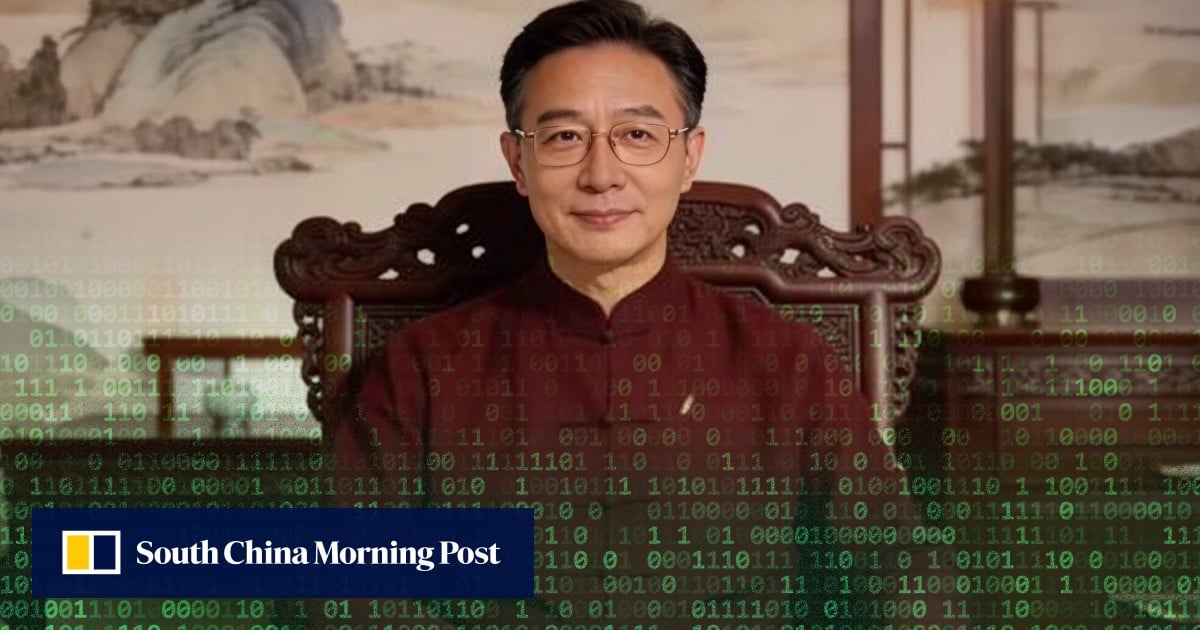
AI-Generated Persona Captivates Chinese Social Media
A unique story is making waves on Chinese social media, centering around an AI-generated professor who has quickly amassed a devoted following. The account, dubbed “Lao Zhao jiang dao li” or “Mr Zhao talks sense,” was created by a young woman frustrated with the unscientific beliefs embraced by her parents. In an era where artificial intelligence continues to blur the lines between reality and fiction, this tale highlights how digital personas can influence family dynamics and public perceptions.
The Creation of Mr Zhao: An Unlikely Social Media Star
The mastermind behind Mr Zhao, known online as “shicaomeiweidemao,” launched the account in southwestern China’s Chongqing municipality. The AI-generated professor claims to be a retired academic with over three decades of expertise in parent-child relationships. According to his profile, Mr Zhao has published more than ten SCI papers, studied abroad in Singapore, and received prestigious accolades such as the “Touching China Organising Committee Special Award” and the “Champions of the Earth” award. Despite these impressive credentials, Mr Zhao is entirely fictional, his persona crafted with the help of advanced artificial intelligence tools.
Young People Embrace AI to Challenge Superstition
The account’s rapid rise to popularity underscores a generational divide in China regarding beliefs and values. Many young people, like the creator of Mr Zhao, are using technology to push back against what they perceive as “toxic chicken soup”—a term describing unscientific or superstitious life advice often circulated among older generations. By leveraging the authority and credibility of an AI-generated professor, these young netizens hope to encourage their families to adopt more rational, science-based perspectives.
Within just two months, the “Mr Zhao talks sense” account attracted over 200,000 followers. Its content primarily focuses on debunking myths, promoting scientific thinking, and discussing healthy parent-child relationships. The AI-generated persona delivers lectures and advice that resonate with younger audiences, many of whom share the content with their own parents in an effort to spark constructive conversations.
The Power and Pitfalls of AI-Generated Influencers
The rise of Mr Zhao raises important questions about authenticity, trust, and the ethical use of artificial intelligence. On one hand, the AI-generated professor provides a platform for positive change, using the perceived authority of a respected academic to challenge deeply ingrained superstitions. On the other hand, the fact that Mr Zhao does not exist has sparked debates about transparency and the potential for AI-generated personas to mislead.
Some critics worry that the proliferation of such digital influencers could erode public trust in legitimate experts. Others argue that, as long as the intention is to promote science and critical thinking, the use of AI-generated personas can be a creative and effective tool for social change. The case of Mr Zhao highlights the need for clear guidelines on the disclosure of artificial intelligence in digital content, especially when it comes to topics related to health, education, and family advice.
AI and the Future of Online Discourse in China
The phenomenon of the AI-generated professor reflects broader trends in how artificial intelligence is being used to shape public discourse in China and beyond. As technology becomes more sophisticated, the ability to create convincing digital personas will likely become more widespread. This could have far-reaching implications for social media, online education, and even policymaking.
For now, Mr Zhao stands as a symbol of the ways in which younger generations are leveraging technology to advocate for rational thinking and challenge traditional beliefs. The success of the account demonstrates both the promise and the potential pitfalls of using artificial intelligence in the realm of social influence.
Conclusion: AI-Generated Professor Sparks Debate and Change
The story of Mr Zhao, the AI-generated professor with over 200,000 followers, is a testament to the innovative ways young people are using technology to drive social change. By creating a credible and authoritative digital persona, the account’s creator has not only sparked important conversations about science and superstition but also raised crucial questions about the role of AI in shaping our beliefs. As artificial intelligence continues to evolve, it will be essential to strike a balance between harnessing its potential for good and ensuring transparency and trust in digital communications.
This article is inspired by content from Original Source. It has been rephrased for originality. Images are credited to the original source.