

AI Writing Tools and the Student Experience
AI writing tools have become increasingly prevalent in academic settings, particularly among students seeking to enhance their work or alleviate the pressure of creative assignments. As a fiction writing professor at MIT since 2017, I have witnessed firsthand the profound impact that these tools have on student writing, creativity, and the learning process itself.
Many students entering my workshops have not written fiction since middle school, and few have participated in structured peer review. To help them grow, I always emphasize the importance of reading and critiquing each other’s work. I encourage them to read stories twice, highlight strengths and weaknesses, and provide honest, signed feedback. The goal is to foster an environment where close reading and bold discussion lead to genuine improvement.
The Qualitative Nature of Fiction Writing
Unlike quantitative STEM assignments, fiction writing is inherently subjective. Good writing moves the reader; bad writing falls flat. It is challenging for students used to clear-cut answers to grapple with the ambiguity of creative expression. In workshops, we must support our evaluations with textual evidence, even when assessing the qualitative aspects of a story.
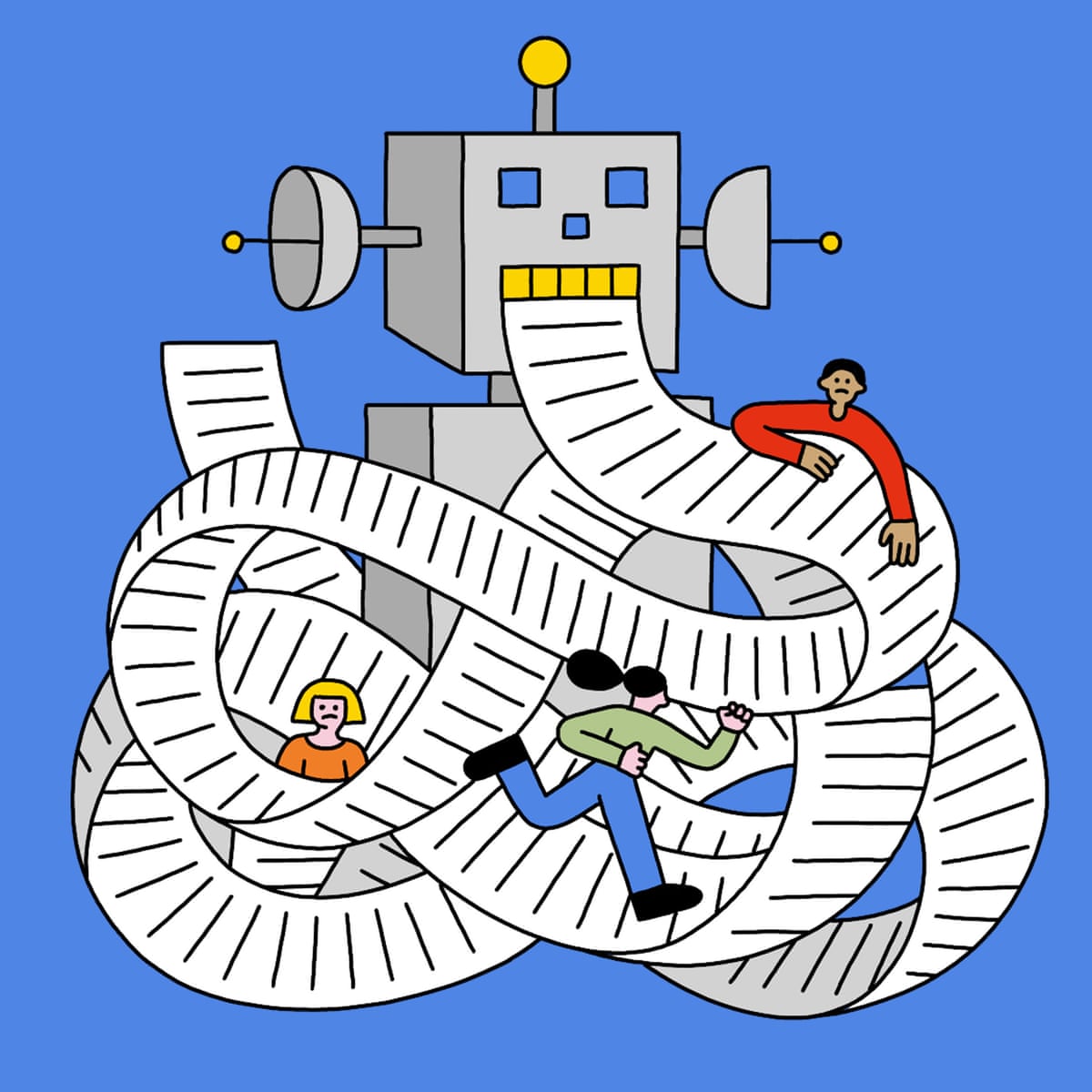
However, the rise of AI writing tools has introduced new complications. Previously, a writer could only avoid criticism by outsourcing their work or plagiarizing. Now, students can use AI to generate polished, if uninspired, prose that mimics the style of countless other works but lacks genuine thought or emotion. These AI-generated stories often feel, as Tennyson once described, “faultily faultless, icily regular, splendidly null.” The words flow smoothly, but the soul is missing.
The Risks of Overreliance on AI Writing Tools
Recent studies underscore the risks of depending too heavily on AI writing tools. A 2025 MIT Media Lab study found that students who used AI to write essays exhibited lower neural connectivity than those who wrote independently. Other reports suggest that AI assistance can reduce persistence and weaken executive function. While some findings await peer review, the central warning is clear: relying on AI for writing may weaken students’ minds and short-circuit their creative development.
When I noticed that two students had submitted AI-generated stories for workshop, I felt both hurt and concerned. The prose was too polished for novice writers, every narrative arc too neat, every metaphor a recycled cliché. I confronted the students, not to punish them, but to start an honest conversation about why they used AI. One confessed that fear of criticism drove her to seek AI help, while another admitted he simply didn’t know how to begin and was overwhelmed by the blank page.
A Turning Point in Teaching
This moment of confession led to one of the most valuable discussions in my teaching career. Students debated whether using AI writing tools was any different from hiring a human editor, or whether, given MIT’s legacy as an AI pioneer, such tools should be embraced as labor-saving devices. The conversation forced us to confront the true value of writing: it is not just about producing text, but about engaging in the difficult, sometimes frustrating process of learning to think and express oneself clearly.
Writing is not meant to be easy. It requires sustained attention, self-reflection, and a willingness to struggle with language. While AI can simulate the appearance of creativity, it cannot replace the transformative experience of wrestling with one’s own ideas and words. If students surrender this struggle to algorithms, they lose an essential part of their intellectual and personal growth.
Redefining the Classroom Approach
In response, I updated my policy: I no longer want students using AI to produce their work. I want their authentic voices, their uncertainties, and their efforts to bridge the gap between thought and language. The workshop only works when real authors are present, ready to stand behind their words and engage in genuine dialogue.
This shift has transformed our classroom. We now talk openly about frustration and failure, about drafts that resist completion and ideas that refuse to take shape. I continue to teach craft and revision, but I also emphasize the importance of the struggle itself. The friction of writing is not a flaw—it is a sign of growth and discovery. Even when words fail, the effort matters.
Preserving Authorship in the Age of AI Writing Tools
In an era dominated by AI writing tools, what we must defend is not merely a technical boundary, but a sanctuary for real authorship. Writing should remain an act of personal expression and intellectual challenge, not just the output of a digital assistant. Our workshops now safeguard the process of discovery, ensuring that what appears on the page truly belongs to a living, thinking person.
This article is inspired by content from Original Source. It has been rephrased for originality. Images are credited to the original source.