

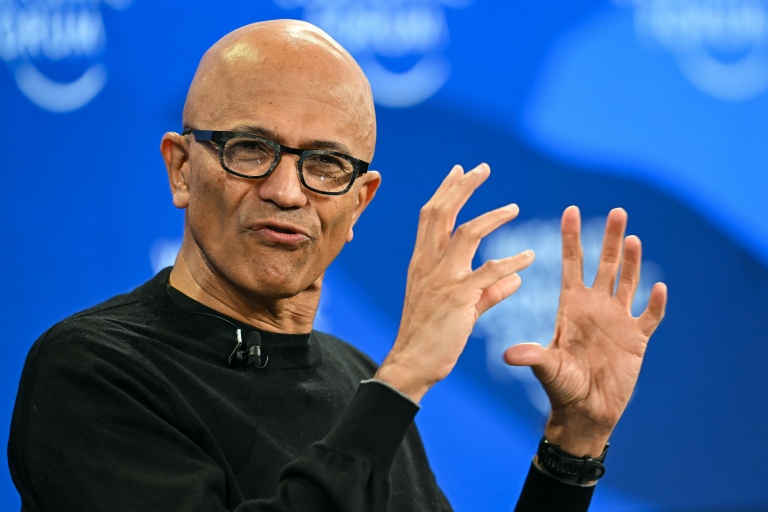
Satya Nadella Set to Testify in High-Stakes OpenAI Trial
Microsoft CEO Satya Nadella is poised to testify in a closely watched legal battle regarding the origins of OpenAI and its transformation into a for-profit powerhouse. This pivotal moment comes as the tech industry—and the world—grapples with the rapid evolution of AI company partnerships and the ethical considerations surrounding artificial intelligence.
The Legal Showdown: Elon Musk vs. OpenAI
The trial, initiated by Elon Musk, delves into OpenAI’s founding principles and the shift from its nonprofit roots to its current for-profit model. At the heart of the case are emails and agreements that detail how Microsoft, under Nadella’s leadership, played a crucial role in funding and shaping the trajectory of OpenAI. As AI company partnerships redefine the tech landscape, the outcome of this case could set new precedents for transparency and accountability in the industry.
Microsoft’s Strategic Investment in OpenAI
Microsoft’s involvement with OpenAI began with a significant financial commitment, signaling a deep belief in the transformative power of artificial intelligence. The partnership enabled OpenAI to scale research and development, notably leading to groundbreaking technologies like ChatGPT. Nadella’s testimony is expected to shed light on the intent and strategy behind Microsoft’s investment, providing rare insight into how major AI company partnerships are negotiated and executed.
Why This Testimony Matters
The trial has already exposed internal debates within the tech community about the ethical implications of commercializing AI research. For Microsoft, the collaboration with OpenAI meant early access to advanced AI models and the opportunity to integrate these technologies into its own suite of products, giving it a competitive edge. Nadella’s appearance in court will address questions about the company’s influence on OpenAI’s shift towards a profit-driven approach—a topic that resonates across all AI company partnerships today.
Industry Reactions to Microsoft and OpenAI Collaboration
Industry experts have closely monitored the evolving relationship between Microsoft and OpenAI, viewing it as a blueprint for future alliances between technology giants and AI innovators. The case has amplified calls for clearer guidelines around data sharing, governance, and the ethical use of artificial intelligence. As more companies explore strategic AI company partnerships, the standards set by this high-profile collaboration will likely influence future deals across the industry.
Potential Impact on the Future of AI
The trial’s outcome could have far-reaching effects on how AI research is funded and controlled. If the court rules in favor of greater transparency, other technology companies may need to reevaluate their own AI company partnerships for compliance and public trust. Conversely, a decision that upholds the current model may encourage more aggressive investments and consolidations in the rapidly growing AI sector.
Looking Ahead: The Role of Leadership in AI Partnerships
Satya Nadella’s leadership style and vision for ethical AI development are likely to be scrutinized as he takes the stand. Observers anticipate that his testimony will illuminate not only the practical aspects of the Microsoft-OpenAI collaboration but also the broader responsibilities that come with steering AI company partnerships. As the technology matures, the balance between innovation, ethics, and profitability will remain a central challenge for all involved.
Conclusion: Setting a Precedent for Future AI Collaborations
As the trial unfolds, the world watches for insights that could shape the future of artificial intelligence. Satya Nadella’s testimony will mark a defining moment in the ongoing conversation about how major AI company partnerships are forged and governed. The lessons learned from this case will likely inform not just Microsoft and OpenAI, but the entire tech ecosystem as it navigates the complexities of collaboration, innovation, and responsibility in the age of AI.
This article is inspired by content from Original Source. It has been rephrased for originality. Images are credited to the original source.