

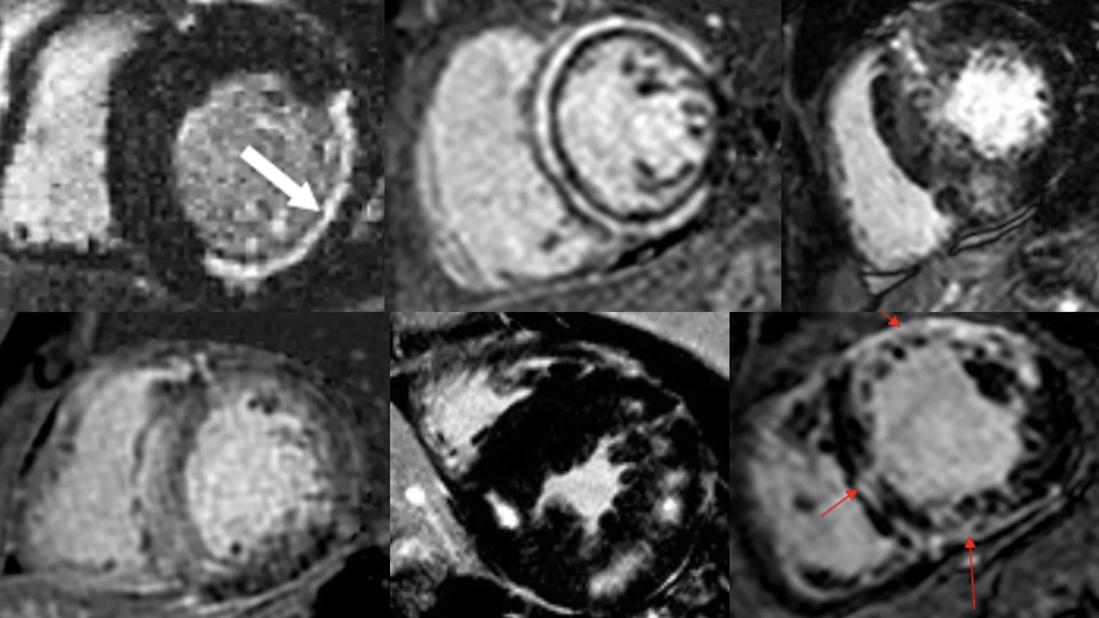
AI Cardiac MRI Models: Transforming Heart Imaging
AI cardiac MRI models are changing the landscape of cardiovascular diagnostics. With cardiovascular diseases among the leading causes of death worldwide, timely and accurate diagnosis is crucial. Cardiac MRI is highly effective for visualizing heart structure and function, but interpretation requires specialized expertise and is often time-consuming. Recent advances in AI are paving the way for more efficient and standardized analysis, potentially broadening access to this valuable diagnostic tool.
Combining Images and Written Impressions With AI
Traditional cardiac MRI analysis relies on expert radiologists who meticulously review imaging data and compose comprehensive written reports. However, variability in interpretation and limited specialist availability can impact both accuracy and accessibility. To address these challenges, researchers have developed AI cardiac MRI models that uniquely combine the visual data from MRI scans with the written impression sections from real clinical reports. This approach leverages the strengths of both image recognition and natural language processing, aiming to produce more robust and reliable assessments.
In a large-scale study, an AI model was trained on over 13,000 cardiac MRI studies, each paired with the corresponding impression section from clinical documentation. By learning from both the visual and textual data, the AI framework can better understand the context and nuances that inform a cardiac MRI interpretation.
Testing and Validation of AI Cardiac MRI Models
After training on extensive internal datasets, the AI cardiac MRI model underwent rigorous testing on external datasets to ensure robustness and generalizability. The results were promising: the AI system demonstrated strong performance in interpreting cardiac MRI scans, matching or even surpassing human experts in certain tasks. This suggests that such vision-language models could play a vital role in supporting future cardiac MRI workflows, providing consistent and accurate results across different healthcare settings.
Importantly, the model’s ability to process both images and report impressions may help standardize cardiac MRI interpretation, minimizing variability between institutions and clinicians. This could lead to more equitable access to high-quality cardiac care, especially in regions where expert radiologists are scarce.
How AI Cardiac MRI Models Could Transform Clinical Practice
The integration of AI cardiac MRI models into clinical workflows promises several key benefits. First, automation of routine tasks can free up radiologists to focus on complex cases, improving efficiency and reducing burnout. Second, standardized interpretations help ensure that patients receive consistent diagnoses and treatment recommendations, regardless of their location. Third, AI-powered decision support tools can aid less-experienced clinicians, enabling broader use of advanced imaging techniques.
In the future, these models could be adapted to detect a wide range of cardiac conditions, from congenital heart defects to cardiomyopathies and ischemic heart disease. By continuously learning from new data, AI systems may further refine their accuracy and expand their capabilities.
Challenges and Future Directions in AI Cardiac MRI
While the promise of AI cardiac MRI models is significant, several challenges remain. Ensuring the privacy and security of patient data is paramount. Additionally, integrating AI into existing hospital systems requires careful planning to maintain workflow efficiency and regulatory compliance. Ongoing validation across diverse populations and imaging equipment is essential to avoid biases and ensure generalizability.
Collaboration between AI developers, clinicians, and healthcare administrators will be crucial for successful implementation. As more data becomes available and AI algorithms improve, the vision of universally accessible, high-quality cardiac MRI interpretation moves closer to reality.
Conclusion: The Future of AI Cardiac MRI Models
The development and validation of AI cardiac MRI models represent a major step forward in cardiovascular imaging. By combining the strengths of image analysis and natural language understanding, these models can support clinicians, standardize care, and expand access to lifesaving diagnostics. As research progresses, AI cardiac MRI models are poised to play an increasingly central role in the future of heart health.
This article is inspired by content from Original Source. It has been rephrased for originality. Images are credited to the original source.