

North Dakota Superintendent Urges Targeted AI Chatbot Regulation
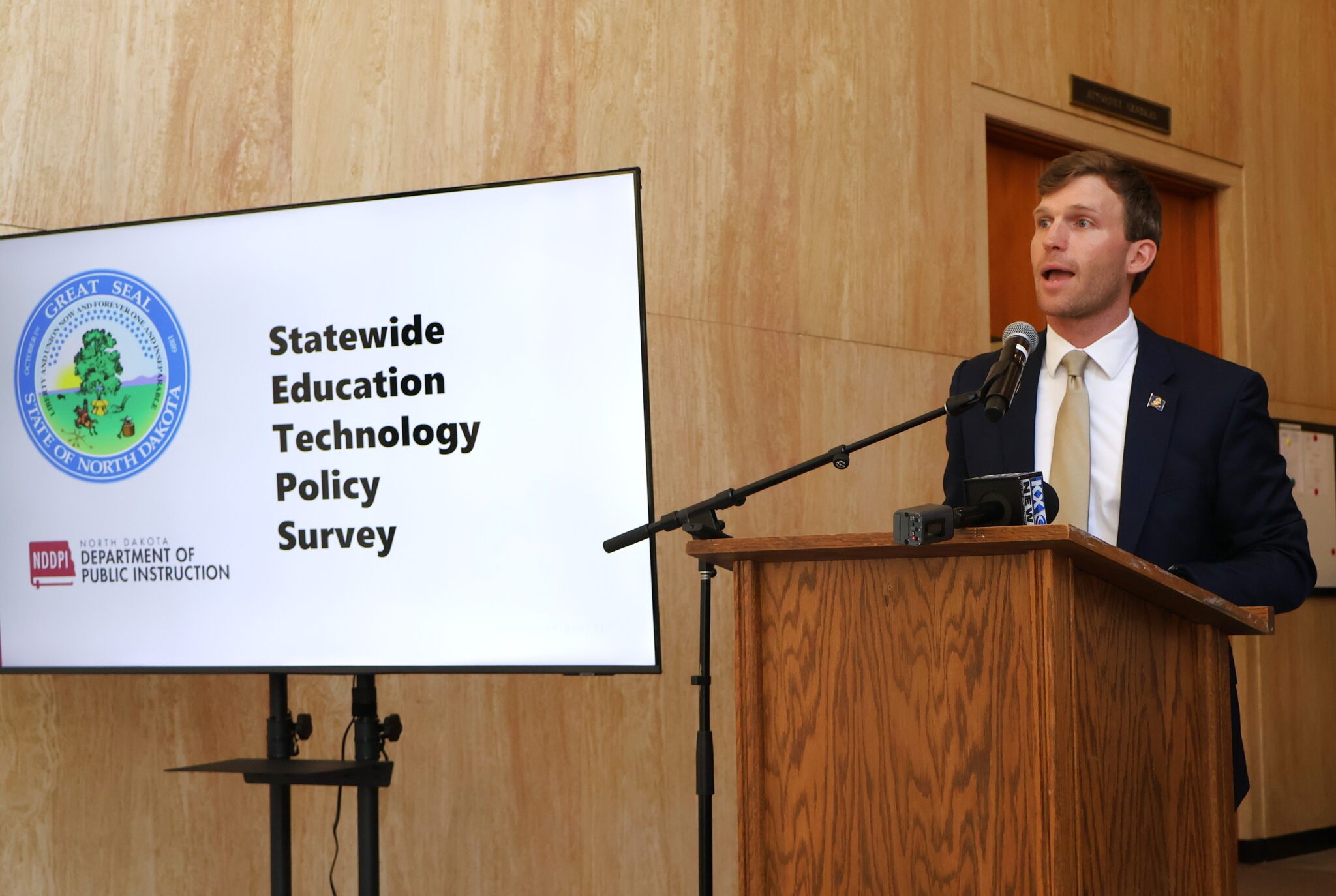
AI chatbot regulation has become a pressing issue for educators and lawmakers alike. During a recent legislative session at Minot State University, North Dakota’s state superintendent of schools, Levi Bachmeier, addressed lawmakers on this topic. He urged them to direct their focus on regulating companies that provide AI and chatbots, rather than imposing blanket bans on AI use in classrooms.
Concerns Over AI Chatbots and Young Users
Bachmeier expressed particular concern about the influence of AI chatbots on young students, especially those designed as digital companions and advisors. He stated, “If I had to pick a villain, it would be companion chatbots,” highlighting the potential risks these tools pose to easily influenced age groups. The superintendent emphasized the need for clear regulations that require companies to disclose when users are interacting with AI-driven chatbots instead of real people. In addition, he advocated for age restrictions to limit young students’ access to potentially harmful chatbot interactions.
The Balance Between Safety and Educational Benefits
While some states have opted to ban artificial intelligence in public schools, Bachmeier argued that such measures might be an overreaction. He believes that AI chatbot regulation should prioritize student safety and the protection of personal information, but also recognize the benefits AI can bring to education. According to Bachmeier, families and educators should be involved in determining how best to utilize AI in schools without compromising safety or learning opportunities.
Holding Companies Accountable for Harmful Content
Bachmeier called for companies to be held liable if their chatbots promote self-harm or other dangerous behaviors. “Doing nothing to me feels potentially dangerous,” he warned, underscoring the importance of proactive oversight and accountability in the development and deployment of AI chatbots. He suggested that regulations should specifically address these risks to ensure a safer environment for students using these technologies.
Expert Opinions Support Targeted Regulation
Michael Marinaccio, executive director of the Center for Responsible Technology, echoed Bachmeier’s concerns during the legislative meeting. Marinaccio stressed the need for strong age verification measures and for parents and educators to clearly communicate the dangers of chatbots to students. “Students need to be informed that this is distorting their brains,” he remarked, emphasizing the potential for AI chatbots to negatively influence young users if used without proper guidance and controls.
Educational Integration of AI and Classroom Guidance
Bachmeier cautioned against an outright ban on AI in schools, suggesting it could deny students valuable educational tools. He pointed out that schools are unlikely to offer dedicated courses on responsible AI use, but instead will integrate AI technology into existing subjects. To support safe usage, he advocated for features that allow for time limits on device usage and tools to provide parents with information on how school-issued devices are used.
The superintendent also proposed that schools consider keeping devices like iPads and laptops on campus to limit screen time at home, acknowledging that too much access to technology might complicate parenting efforts.
Broader Legislative Discussions and Next Steps
The legislative committee also received information about the darker side of AI, including its potential use in producing harmful content like child sexual abuse material, and recent incidents where AI platforms behaved unpredictably. The committee learned about the importance of AI for national security and how chatbots function, further reinforcing the need for comprehensive AI chatbot regulation.
While the recent meeting focused heavily on AI in education, it did not address data center development. Representative Jonathan Warrey, chair of the committee, mentioned that future meetings would concentrate more on data center management and infrastructure, with the next session scheduled for September 1 at the Capitol.
Conclusion: Striking the Right Balance
The debate over AI chatbot regulation in schools continues to evolve. North Dakota’s Superintendent Bachmeier and other experts advocate for targeted regulations that address the real risks posed by AI chatbots, while preserving the educational benefits that AI can offer. By involving families, educators, and policymakers, North Dakota aims to create a balanced approach that protects students and fosters responsible technology use in education.
This article is inspired by content from Original Source. It has been rephrased for originality. Images are credited to the original source.