

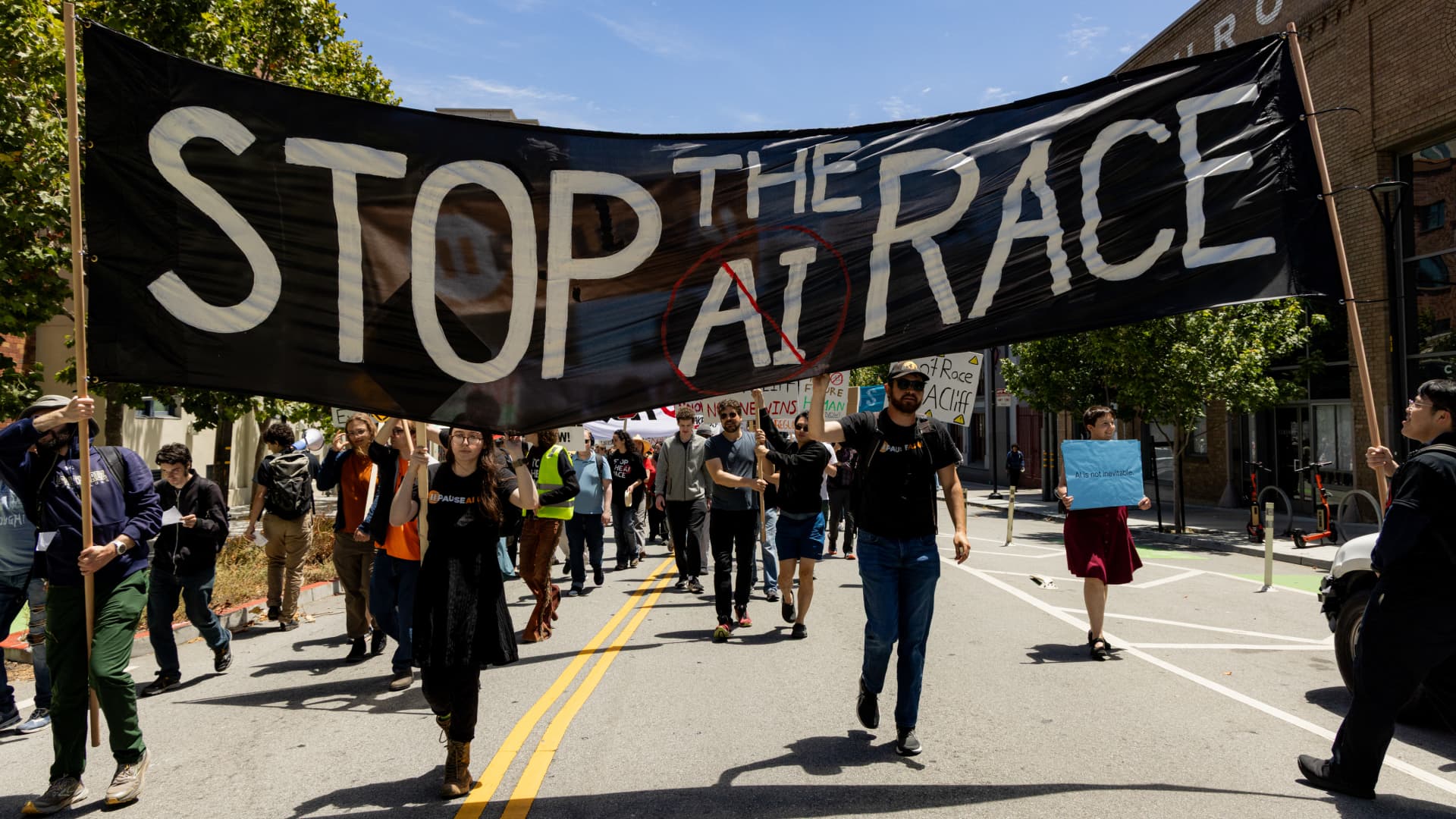
Introduction: The Growing Backlash Against AI Data Centers
The rise of AI data center backlash is uniting a diverse set of groups across the United States. As artificial intelligence technologies expand rapidly, communities are voicing concerns about the environmental, economic, and social impacts of these massive infrastructure projects. Evangelicals, labor unions, and local activists are leading a new coalition questioning the unchecked growth of AI data centers, particularly in regions often considered political strongholds for former President Donald Trump. This movement is shaping up to be a significant challenge for policymakers and tech companies alike.
Evangelicals and Local Communities Speak Out
One of the most surprising aspects of the AI data center backlash is the involvement of evangelical Christians. Traditionally focused on social and moral issues, many evangelicals are now vocal about technology’s influence on their communities. Concerns range from environmental stewardship—the biblical call to care for creation—to worries about job displacement and the erosion of traditional values. In counties where faith and tradition run deep, the construction of sprawling data centers is seen as disruptive, bringing noise, increased traffic, and stress on local water supplies.
Labor Unions Raise Economic and Worker Concerns
Labor unions are also becoming a force in the AI data center backlash. While the tech industry often touts job creation, unions argue that the real economic benefits are overstated. Many of the new roles created by AI data centers are temporary construction jobs, with few long-term opportunities for local residents. Unions point out that the automation fueled by artificial intelligence can lead to job losses in other sectors, creating uncertainty for workers who are already struggling with stagnant wages and rising living costs.
Environmental and Infrastructure Issues Take Center Stage
Local activists are drawing attention to the environmental footprint of AI data centers. These facilities consume enormous amounts of electricity and water, sometimes straining local resources. As the climate crisis intensifies, residents worry about the sustainability of powering AI operations with traditional energy sources. In some areas, proposed data centers have sparked heated debates at town hall meetings, with citizens questioning whether the promise of technological progress justifies the impact on their daily lives.
Political Blind Spots and Trump’s Challenge
The coalition forming around the AI data center backlash is emerging in places that have long been supportive of Donald Trump and his America First agenda. However, the backlash exposes a potential blind spot for Trump and Republican leadership. While the party often champions deregulation and economic growth, it may underestimate the growing discontent among its base regarding tech-driven change. Evangelicals, blue-collar workers, and rural communities—once considered reliable allies—are now demanding more oversight and caution as AI data centers proliferate.
National Implications for Tech Policy
The rise of the AI data center backlash could have far-reaching consequences for national tech policy. Tech companies are investing billions in AI infrastructure, betting on continued growth and innovation. But the resistance from grassroots organizations suggests that a reevaluation of priorities may be necessary. Calls for stricter environmental regulations, community benefits agreements, and local input in planning processes are growing louder. Some policymakers are beginning to listen, proposing new rules to ensure that AI development does not come at the expense of ordinary Americans.
Looking Ahead: Can a Balance Be Struck?
As the debate over AI data centers intensifies, all sides are searching for solutions. Some advocates suggest a balanced approach that prioritizes both technological advancement and the well-being of local communities. Investment in renewable energy, job training programs, and meaningful community engagement could help address the concerns driving the AI data center backlash. Ultimately, the challenge will be finding common ground between the promise of AI and the needs of the people most affected by its infrastructure.
Conclusion: A Defining Issue for the Future
The AI data center backlash is more than a local dispute—it is a reflection of deeper anxieties about the pace of technological change and its impact on society. As evangelicals, labor unions, and activists continue to organize, their voices are likely to influence the future direction of American technology policy. Balancing innovation with responsibility will be essential as the country navigates this new era.
This article is inspired by content from Original Source. It has been rephrased for originality. Images are credited to the original source.