

Growing Concerns Over AI in Higher Education
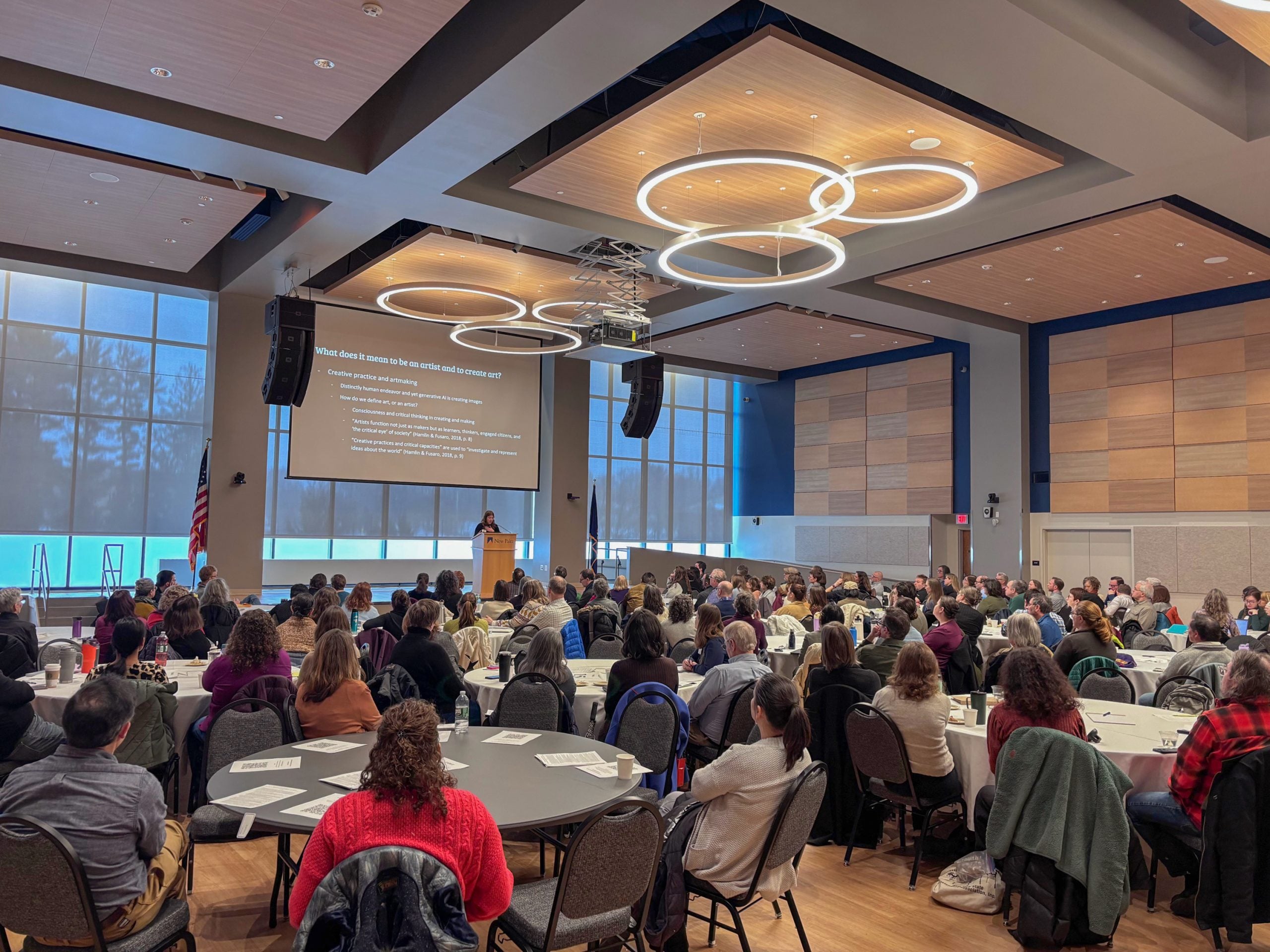
The rise of AI in education is sparking debate among faculty members at SUNY New Paltz. On February 18, a cohort of professors gathered for an AI forum to discuss the increasing use of artificial intelligence in college classrooms. At the forefront of this movement is Mary Holland, a veteran English professor, who has witnessed firsthand how AI is reshaping the academic landscape.
Feeling that students were becoming too reliant on AI and missing out on essential educational experiences, Holland decided action was necessary. She began conversations with colleagues across departments, eventually founding a new coalition called Educating Without AI. This group, composed of more than 80 faculty members, is dedicated to advocating for the option to teach AI-free classes and to raise awareness about the impact of AI in education.
The Mission of Educating Without AI
Educating Without AI aims to preserve traditional academic values by ensuring that students continue to develop critical thinking, research skills, and authentic writing abilities. As Holland explains, “AI interferes with absolutely every single thing that it is my duty to teach my students to do—critical thinking, attention to texts and details, constructing arguments, and communicating ideas in writing. Every step of these processes, students need to master on their own.”
Since its inception in Fall 2025, the group has organized faculty forums and distributed surveys to both students and professors. These surveys aimed to gauge campus sentiment about AI in education and explore support for AI-free course options.
Survey Results Highlight Divided Opinions
The recent campus-wide surveys—completed by 197 faculty members and 974 students—revealed that a majority of respondents held negative views on the use of AI in higher education. Many expressed concerns that AI was undermining students’ writing abilities and diminishing the quality of their academic work.
Both students and faculty showed significant interest in courses specifically designated as AI-free. This feedback underscores a desire for clearer standards and boundaries regarding AI use in the classroom, rather than an outright ban on the technology.
Faculty Experiences and Classroom Challenges
Glenn Geher, a psychology professor who helped organize the survey, shared his own concerns: “I’m not teaching writing-intensive courses anymore because of AI,” he said. “I’m reducing writing assignments dramatically, which is really sad to me. Writing is one of the most valuable skills students can gain.”
Geher has observed that students, especially in online classes, are increasingly using AI to complete assignments—sometimes even generating entire papers. He worries that relying on AI for brainstorming or outlining deprives students of the chance to articulate their own ideas and develop independent thought. “If you’re brainstorming with AI, then it’s the opposite of brainstorming,” he emphasized.
Administrative Support and Policy Goals
Educating Without AI has found a receptive audience in the university administration. Provost William McClure met with Holland early on and expressed support for the coalition’s initiatives, including lending institutional backing to the recent Faculty Forum on AI.
Currently, the group is advocating for an official AI-free course designation and a unified campus policy on AI. They are not seeking to ban AI outright; instead, they want transparent guidelines so that students and faculty clearly understand expectations in each course. Holland believes a formal policy would allow students to make informed decisions when registering for classes, knowing whether a course is AI-free and what that entails.
Looking Ahead: Balancing Innovation and Integrity
As AI in education continues to evolve, Educating Without AI hopes to form a committee of students and faculty to monitor technological developments and their implications for academic integrity. The group’s vision is not to resist progress, but to ensure that core educational values remain intact.
“To have this as a recognized policy on campus would mean that students would know ahead of time, when they sign up for a course, whether they’re going to be able to use AI,” Holland said. “They would know what it means when a professor says, ‘this is AI-free.’”
The ongoing debate at SUNY New Paltz reflects broader questions facing universities everywhere: How can institutions embrace new technologies like AI in education while preserving the development of critical, independent thinkers?
This article is inspired by content from Original Source. It has been rephrased for originality. Images are credited to the original source.