

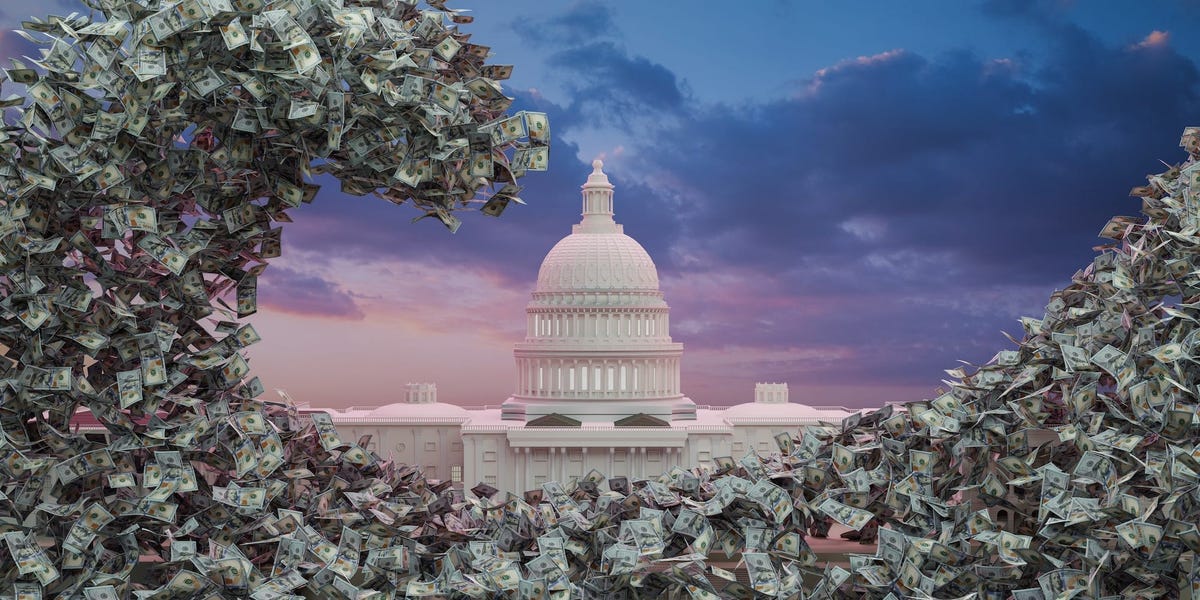
The AI Industry’s Growing Influence in Politics
Artificial Intelligence (AI) is no longer just reshaping industries and redefining the future of work—it’s now becoming a significant player in American politics. As AI technology accelerates at breakneck speed, the companies and individuals behind it are beginning to wield their influence in Washington through the creation and funding of super Political Action Committees (super PACs).
Super PACs, which can raise and spend unlimited amounts of money to influence elections, are becoming the preferred tool for AI leaders to shape policy and public perception. While tech companies have long had lobbying arms, this new movement signals a shift in how Silicon Valley is engaging with the political system.
Tech Titans Fund AI-Centric Super PACs
Notably, several high-profile tech entrepreneurs and investors have started channeling millions into super PACs that support candidates aligned with their vision of AI regulation—or lack thereof. Among them are figures from OpenAI, Anthropic, and other leading AI labs who believe that supporting AI-savvy lawmakers will help ensure favorable policies and innovation-friendly frameworks.
One such organization is the “American Edge Project,” which promotes the leadership of U.S. tech companies in global innovation. While not exclusively focused on AI, its messaging increasingly highlights the importance of AI leadership to national security and economic competitiveness.
Key Players and Political Strategy
Some of the most vocal proponents of AI regulation, like OpenAI’s Sam Altman, have emphasized the need for policymakers to understand the nuances of AI. Meanwhile, others in the AI community are leaning into political funding to back candidates who are either AI-literate or willing to learn. These super PACs are expected to play a significant role in the 2024 and 2026 election cycles, especially as legislation around AI becomes a central issue.
In addition to campaign contributions, AI advocates are organizing educational briefings, policy roundtables, and white papers to influence lawmakers. The goal is to ensure that the future of AI isn’t dictated by fear or misinformation but by informed decision-making rooted in technological understanding.
Concerns About Oversight and Influence
However, this growing political clout has raised alarms among watchdog groups and some lawmakers. Critics argue that the influx of tech money into politics may skew the policy agenda in favor of corporate interests rather than public good. They warn that such influence could delay or weaken necessary safeguards around the deployment of AI in high-risk areas like law enforcement, healthcare, and employment.
Transparency is another major concern. While super PACs are legally required to disclose their donors, the use of shell companies and nonprofit intermediaries can obscure the true sources of funding. This has led to calls for stricter disclosure rules and campaign finance reform to ensure accountability in political spending.
The Stakes Are High
With AI poised to reshape everything from education to defense, the stakes in regulating its development and use are enormous. Lawmakers are under pressure to strike a balance between fostering innovation and protecting the public from potential harms such as biased algorithms, job displacement, and surveillance overreach.
Super PACs aligned with the AI industry aim to influence this regulatory balance. Whether through direct campaign support or public messaging, these organizations seek to ensure that legislation reflects the realities of AI development and deployment. As such, the 2026 elections could be pivotal in determining the trajectory of AI policy in the United States.
Looking Ahead
The AI industry’s political involvement is still in its early stages, but its trajectory suggests a growing role in shaping American legislative priorities. As more companies and investors enter the fray, the political landscape could begin to mirror the influence that Big Tech already wields in commerce and culture.
For voters, this means that understanding where candidates stand on AI issues is becoming increasingly important. As campaign ads, candidate endorsements, and political donations become tied to AI-related super PACs, the intersection of technology and democracy will only deepen.
In the coming years, keep a close eye on these political movements. They may very well determine how AI is governed—and who benefits most from its continued ascendancy.
This article is inspired by content from Original Source. It has been rephrased for originality. Images are credited to the original source.