

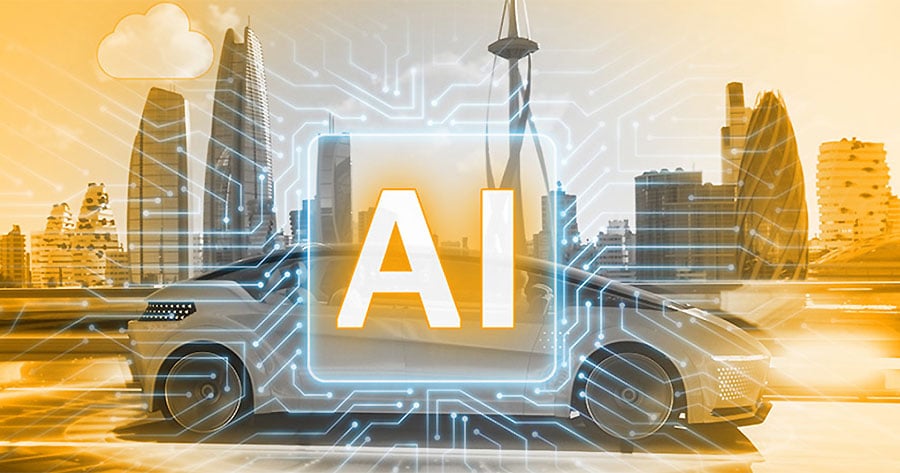
Artificial Intelligence in the Auto Sector
Artificial intelligence (AI) is no longer a futuristic buzzword—it’s a present-day reality shaping the automotive industry. Once confined to science fiction, AI has swiftly evolved into a crucial element that is revolutionizing how vehicles are designed, manufactured, sold, and maintained. Whether the industry is fully prepared or not, AI’s presence is undeniable and growing stronger every day.
Across various sectors, businesses are embracing AI tools to streamline operations, improve customer experience, and enhance decision-making. The automotive world is no exception. From autonomous driving technologies to manufacturing efficiencies and customer service bots, AI is embedded in almost every aspect of the auto ecosystem.
Why AI Matters More Than Ever
AI’s importance to the automotive sector cannot be overstated. As global competition intensifies and consumer expectations rise, automakers and dealerships must leverage AI to stay ahead. It isn’t just about innovation—it’s about survival. Companies that fail to adopt AI risk falling behind in efficiency, customer satisfaction, and profitability.
AI helps businesses make sense of massive amounts of data. In the automotive context, this includes vehicle telemetry, customer preferences, sales trends, and service records. By analyzing this data, AI can predict vehicle maintenance needs, personalize marketing strategies, and optimize inventory management.
Current Applications of AI in Automotive
Today, AI is already being applied in numerous ways within the automotive industry:
- Autonomous Driving: Companies like Tesla, Waymo, and GM are leveraging AI to develop self-driving technologies that interpret data from sensors and cameras to make real-time driving decisions.
- Manufacturing: AI-powered robots and predictive maintenance tools are increasing efficiency on production lines, reducing downtime and improving quality control.
- Sales and Marketing: AI-driven analytics tools help dealerships target customers more effectively, optimize pricing strategies, and forecast demand.
- Customer Service: Chatbots and virtual assistants powered by AI are handling customer inquiries 24/7, freeing up human staff for more complex tasks.
Challenges and Considerations
Despite its benefits, AI adoption is not without challenges. Concerns about data privacy, cybersecurity, and job displacement are valid and must be addressed. Many smaller dealerships and suppliers may lack the technical knowledge or resources to fully embrace AI solutions.
Additionally, regulatory frameworks are still catching up with the pace of AI advancement. Governments and industry bodies must collaborate to create standards that ensure safety, transparency, and fairness in AI applications.
The Road Ahead
The future of AI in the automotive sector is filled with potential. Experts predict even more advanced applications, including:
- Predictive Maintenance: AI systems that can notify drivers of potential mechanical failures before they happen.
- Enhanced Driver Assistance: More intuitive systems that adapt to individual driving habits and road conditions.
- AI-Driven Design: Algorithms that assist in creating vehicle designs that are both aesthetically pleasing and aerodynamically efficient.
- Smart Dealerships: Retail environments where AI handles everything from customer interaction to financing options.
It’s an exciting time, but also one that requires deliberate strategy. Automotive leaders must invest in training, infrastructure, and partnerships to harness the full power of AI. Those who do will not only improve their operations but also gain a significant competitive edge.
California Bill Signals Broader Industry Shifts
Interestingly, regulatory changes such as California’s recent legislation to raise dealership documentation fees from $85 to potentially $500 highlight the evolving nature of the business landscape. While this bill focuses on dealership fees, it underscores a broader shift toward modernizing business practices—of which AI is a central component.
Dealerships, already facing pressure from online retailers and changing consumer behaviors, must now navigate a regulatory environment that increasingly demands technological adaptation. AI can help them meet these challenges head-on by automating compliance tasks, streamlining customer interactions, and improving operational efficiency.
Conclusion
AI is no longer a choice for the automotive industry—it’s a necessity. As it becomes more accessible and powerful, businesses must proactively integrate AI into their processes. The benefits are too significant to ignore, and the risks of inaction are too great.
Ready or not, AI is here to stay. The question is not whether the automotive industry will embrace it, but how quickly and effectively it will do so.
This article is inspired by content from Original Source. It has been rephrased for originality. Images are credited to the original source.