

The Rise of ‘Slop’ in the Digital Age
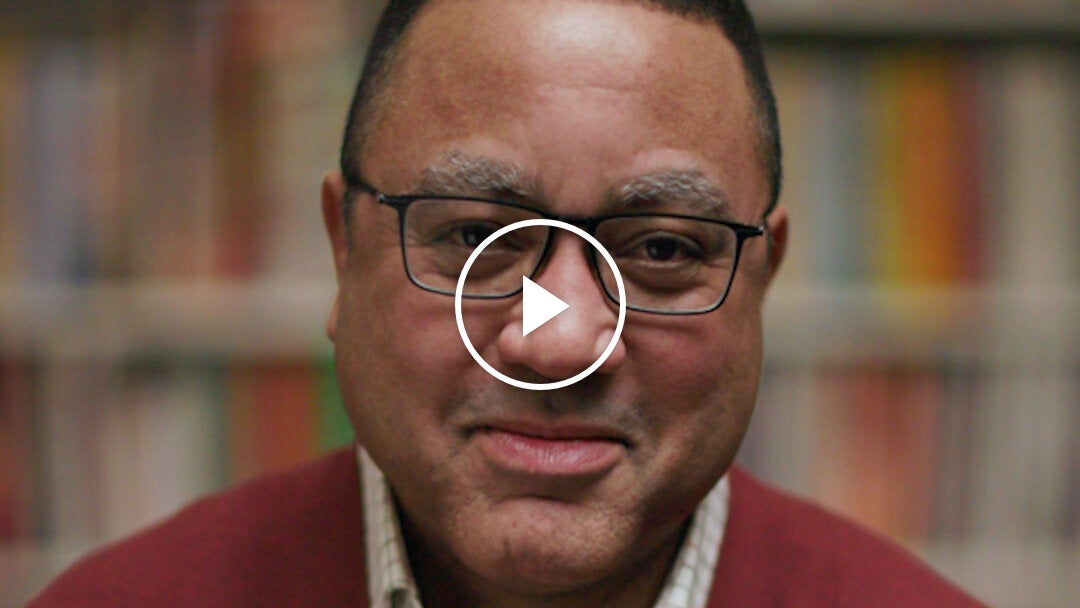
Artificial Intelligence was once seen as an awe-inspiring technological marvel, a beacon of innovation promising to transform the way we live, work, and communicate. However, in recent years, this narrative has shifted. Today, A.I. often feels less like a revolution and more like a nuisance — a digital swamp of misinformation, duplication, and detachment. According to John McWhorter, a linguistics professor at Columbia University and an Opinion writer, this phenomenon can be best described by one evocative word: slop.
Defining ‘Slop’
The term “slop” was recently chosen by the American Dialect Society as the Word of the Year for 2025. Its etymological roots trace back to Old English and an even earlier Indo-European word, “sleubh,” meaning something slippery or oozing — a fitting metaphor for today’s AI-generated content. Historically, “slop” referred to liquid waste or animal feed, and in some cases, dung. The term captures a mix of disgust and disposability, which is exactly how many now perceive the glut of low-quality AI content flooding the internet.
McWhorter reflects on his own experience with A.I. slop. After producing a podcast episode on the Ukrainian language following Russia’s invasion of Ukraine, he discovered that the episode had been chewed up and reassembled into a bizarre, AI-generated article. It was his first personal encounter with what he now calls “A.I. slop.”
From Innovation to Irritation
While A.I. was once heralded as a tool for learning and creativity, its darker ramifications are now surfacing. McWhorter and others argue that instead of enriching our knowledge, AI is increasingly becoming a threat to authentic learning. In educational settings, students are tempted to let generative algorithms do their thinking. Meanwhile, misinformation spreads rapidly, often appearing as credible content.
Beyond education, the dangers of A.I. manifest in more troubling ways. Deepfake images and videos — sometimes depicting children in inappropriate scenarios — have emerged. Others have lost jobs to automation, and social media platforms are awash with AI-generated content that ranges from the absurd to the offensive. Whether it’s dancing capybaras or fake personas proclaiming “Just kidding. I’m not real,” the sense of reality is becoming increasingly blurred.
A Cultural Shift
McWhorter likens A.I. to the mischievous cartoon character Stitch — an entity that was once novel and intriguing but has now become disruptive and chaotic. He also draws a comparison to hagfish slime: a sticky, overwhelming discharge that renders everything it touches unusable. For him, today’s AI is no longer a technological wonder but a pervasive digital slime that clogs up the flow of genuine discourse and creativity.
“Slop” is not just a word; it’s a cultural critique. It captures the sense of dilution that AI has brought to our digital lives. Instead of facilitating meaningful engagement or productive innovation, AI often serves up regurgitated content — a copy of a copy of a copy — devoid of originality or insight.
The Irony of Progress
There’s an ironic twist to all this. As A.I. has grown more advanced, it has also become more banal. The same intelligence that once beat humans at chess or composed symphonies is now being used to generate clickbait or fake news. This shift reflects not just on the technology but on how society chooses to wield it.
In McWhorter’s view, the problem isn’t A.I. itself but how we’ve allowed its worst uses to become mainstream. Whether it’s algorithmically-generated articles, fake personas, or inappropriate content, AI is increasingly being used not to elevate humanity but to parody it.
Moving Forward
So, where do we go from here? Recognizing the issue is the first step. As “slop” becomes a permanent fixture in our digital vocabulary, so too must our awareness of the importance of authenticity, critical thinking, and digital hygiene. Educators, technologists, and policymakers need to reevaluate the role of AI in our lives and set boundaries that promote responsible use.
McWhorter isn’t entirely dismissive of AI. He acknowledges its potential but insists that we must not lose sight of what makes human expression valuable: originality, nuance, and truth. In a world increasingly saturated with slop, these qualities are more essential than ever.
This article is inspired by content from Original Source. It has been rephrased for originality. Images are credited to the original source.