
AI Song Generators Offer Hope for Musicians with Parkinson’s
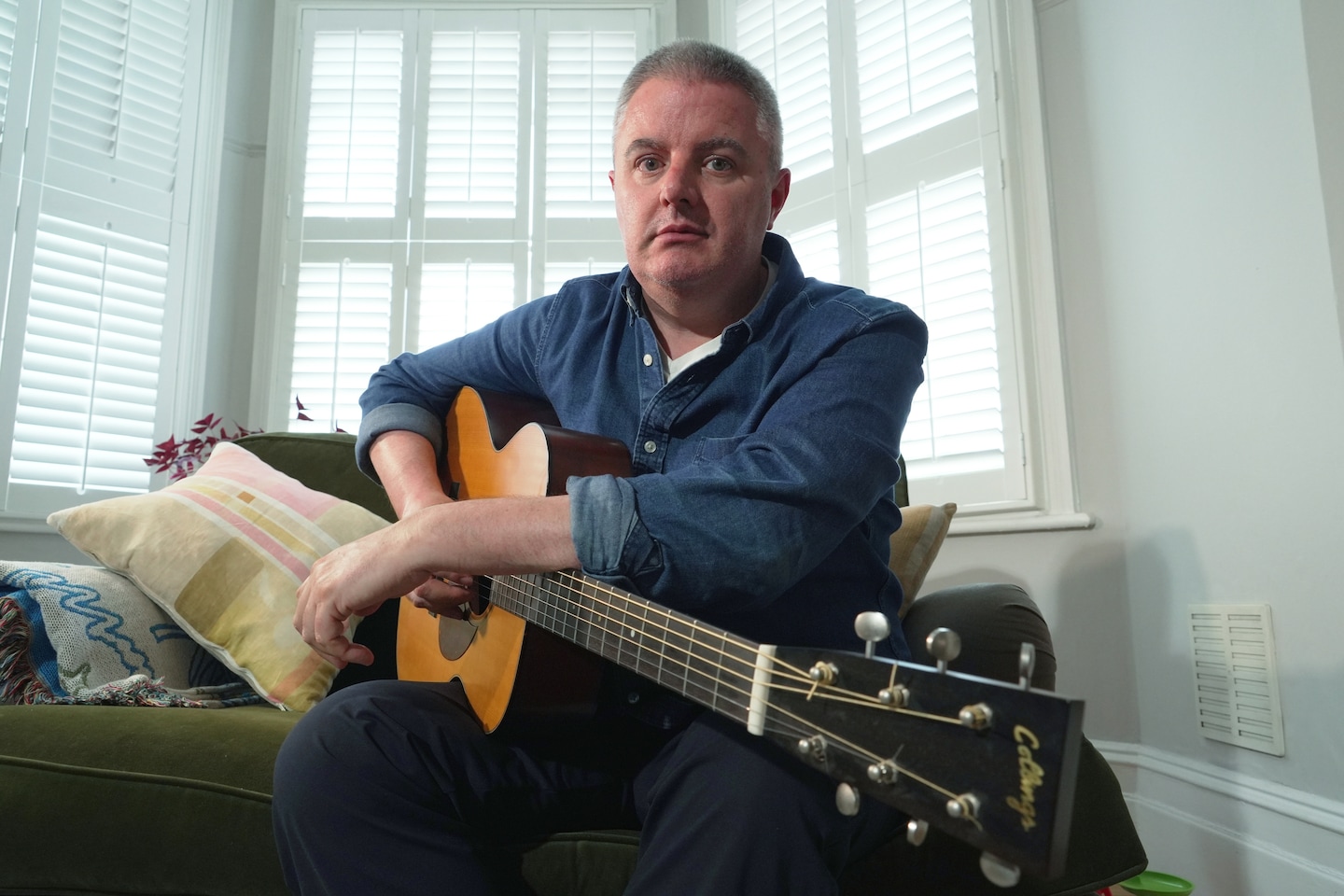
AI song generators are transforming the music industry, offering new possibilities to artists facing physical challenges. London-based singer-songwriter Samuel Smith is a shining example of how technology, particularly AI-powered tools, can help musicians continue their creative journeys despite serious health setbacks. Smith, known for his heartfelt Americana songs, found himself at a crossroads when Parkinson’s disease significantly impaired his guitar playing ability. Instead of giving up on his passion, Smith turned to artificial intelligence to find a new way to make music.
The Challenge: Parkinson’s Disease and Musical Expression
For years, Samuel Smith’s guitar was more than an instrument—it was his voice, his collaborator, and his creative companion. When Parkinson’s disease—a progressive neurological disorder—began to rob him of fine motor control, Smith faced the devastating reality that traditional songwriting and recording would become nearly impossible. The tremors and stiffness associated with Parkinson’s left him unable to strum chords or fingerpick melodies as he once did. But Smith’s determination to create music remained undiminished, leading him to explore the potential of AI song generators as a solution.
Turning to Artificial Intelligence for Musical Collaboration
Artificial intelligence has made remarkable strides in recent years, and its applications in music are expanding rapidly. For Smith, AI song generators became a lifeline. These tools leverage machine learning algorithms to analyze vast libraries of music, understand stylistic patterns, and even suggest chord progressions and melodies. By entering lyrics or simple melodic ideas, Smith could collaborate with an AI system that filled in the technical gaps left by his physical limitations.
Smith describes the process as both empowering and humbling. The AI song generator didn’t replace his creativity; instead, it amplified his ideas and enabled him to shape songs that still felt authentically his. The result was a new album—one that would not have been possible without this innovative technology.
How AI Song Generators Work
AI song generators use deep learning models trained on thousands of existing songs. These systems can generate chord sequences, suggest lyrics, or even create entire instrumental tracks based on user prompts. Musicians like Smith interact with the software by feeding it lyrics, thematic ideas, or musical snippets. The AI then produces arrangements or melodies that can be edited and refined by the human artist.
For artists with disabilities or degenerative illnesses, this technology is revolutionary. It allows them to bypass some of the physical barriers to music creation and focus on the creative decisions that make each song unique.
Broader Implications for the Music Industry
The story of Samuel Smith is part of a larger trend: AI song generators are democratizing music production. Traditionally, recording an album required not only skill but access to expensive studios and equipment. Now, with AI-powered tools, artists can produce high-quality music from their homes, regardless of physical ability.
This technology also opens doors for collaboration between humans and machines. Rather than replacing musicians, AI acts as a partner—suggesting ideas, filling in technical gaps, and even inspiring new creative directions. For artists dealing with conditions like Parkinson’s, AI becomes more than a tool; it’s a pathway to continued self-expression and professional fulfillment.
Challenges and Ethical Considerations
While the benefits are clear, the rise of AI song generators also raises important questions. Who owns the rights to music created with AI assistance? How do we ensure that technology complements rather than overshadows human creativity? Musicians like Smith emphasize that AI should serve as an enabler, not a replacement, and that transparency in the creative process is crucial for maintaining authenticity.
The Future: AI and Human Creativity in Harmony
As AI technology continues to evolve, its role in the music industry will likely expand. For now, artists like Samuel Smith demonstrate how AI song generators can empower individuals facing physical challenges, enabling them to keep making the music they love. By embracing these tools, musicians are not only overcoming obstacles but also pioneering new forms of artistic collaboration between human and machine.
Ultimately, the partnership between AI and musicians promises a future where creativity knows no boundaries—regardless of health, ability, or circumstance.
This article is inspired by content from Original Source. It has been rephrased for originality. Images are credited to the original source.