

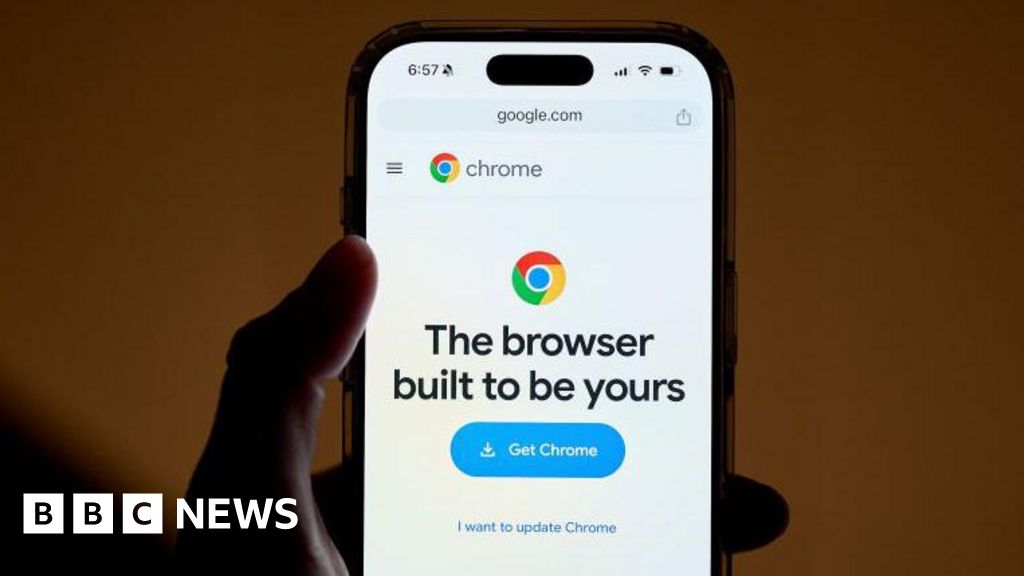
Perplexity Makes Bold Move in AI and Browser Market
Artificial intelligence start-up Perplexity has made a surprising $34.5 billion bid to acquire Google’s Chrome web browser, signaling a dramatic step in the increasingly competitive tech landscape. The proposal, sent directly to Sundar Pichai, CEO of Alphabet, cites user safety and open access as key motivations.
In a letter accompanying the bid, Perplexity argued that transferring Chrome to an independent operator would benefit the broader public by enhancing user trust and choice. The offer comes at a time when Google is facing regulatory pressure, including a prominent antitrust case in the United States.
Google Faces Ongoing Antitrust Scrutiny
Google, the current owner of Chrome, remains under the microscope due to its dominance in both the search engine and online advertising markets. The U.S. Department of Justice has been pursuing a high-profile case that may result in significant structural changes within the tech giant. A federal judge is expected to deliver a ruling soon, which could compel Google to divest parts of its operations — possibly including Chrome.
Despite the pending litigation, there has been no indication from Google that it plans to sell Chrome. With more than three billion users worldwide, Chrome continues to be the most used web browser globally. The BBC reached out to Google for a statement, but the company has not yet responded.
Industry Experts Skeptical of the Offer
Market analysts have expressed skepticism over the feasibility of Perplexity’s offer. Tomasz Tunguz, a venture capitalist from Theory Ventures, told the BBC that the proposed $34.5 billion price tag significantly undervalues Chrome. According to Tunguz, the browser’s actual worth could be “ten times higher” than the bid.
Google has previously stated that divesting Chrome would be an “unprecedented proposal” with potentially negative implications for consumer experience and internet security. The company has also indicated it would appeal any ruling that mandates such a move.
Perplexity’s Growing Influence in AI
Perplexity has been making waves in the AI sector, where it competes with industry leaders like OpenAI and Google itself. The company recently launched a new AI-powered browser called Comet, aiming to offer users a smarter and more intuitive browsing experience. The introduction of Comet suggests Perplexity’s ambitions go beyond traditional AI applications and into broader digital services.
With the proposed acquisition of Chrome, Perplexity aims to reinforce its commitment to “the open web, user choice, and continuity,” according to a company spokesperson. The firm also pledged to retain Google as the default search engine within Chrome, though users would be free to change their settings.
Commitment to Open-Source Technologies
Perplexity emphasized its intention to maintain Chromium, the open-source platform that underpins Chrome. Chromium also supports other major browsers such as Microsoft Edge and Opera. By continuing to support this ecosystem, Perplexity hopes to reassure developers and users alike that it is committed to stability and innovation.
However, the company has not disclosed how it plans to finance the proposed deal. As of July, Perplexity was estimated to be worth $18 billion — significantly less than the Chrome acquisition bid. This raises questions about how the firm would secure the necessary funds to complete the purchase.
A Pattern of Ambitious Offers
This is not the first time Perplexity has made headlines for an ambitious acquisition attempt. Earlier in the year, the company proposed buying the U.S. operations of TikTok, which faces a looming deadline to divest from its Chinese parent company or risk being banned in the United States.
Perplexity’s bold moves have reportedly attracted attention from major players in the tech industry, including Apple and Meta, the parent company of Facebook. These developments suggest that Perplexity is positioning itself as a formidable contender in the rapidly evolving landscape of technology and artificial intelligence.
This article is inspired by content from Original Source. It has been rephrased for originality. Images are credited to the original source.