

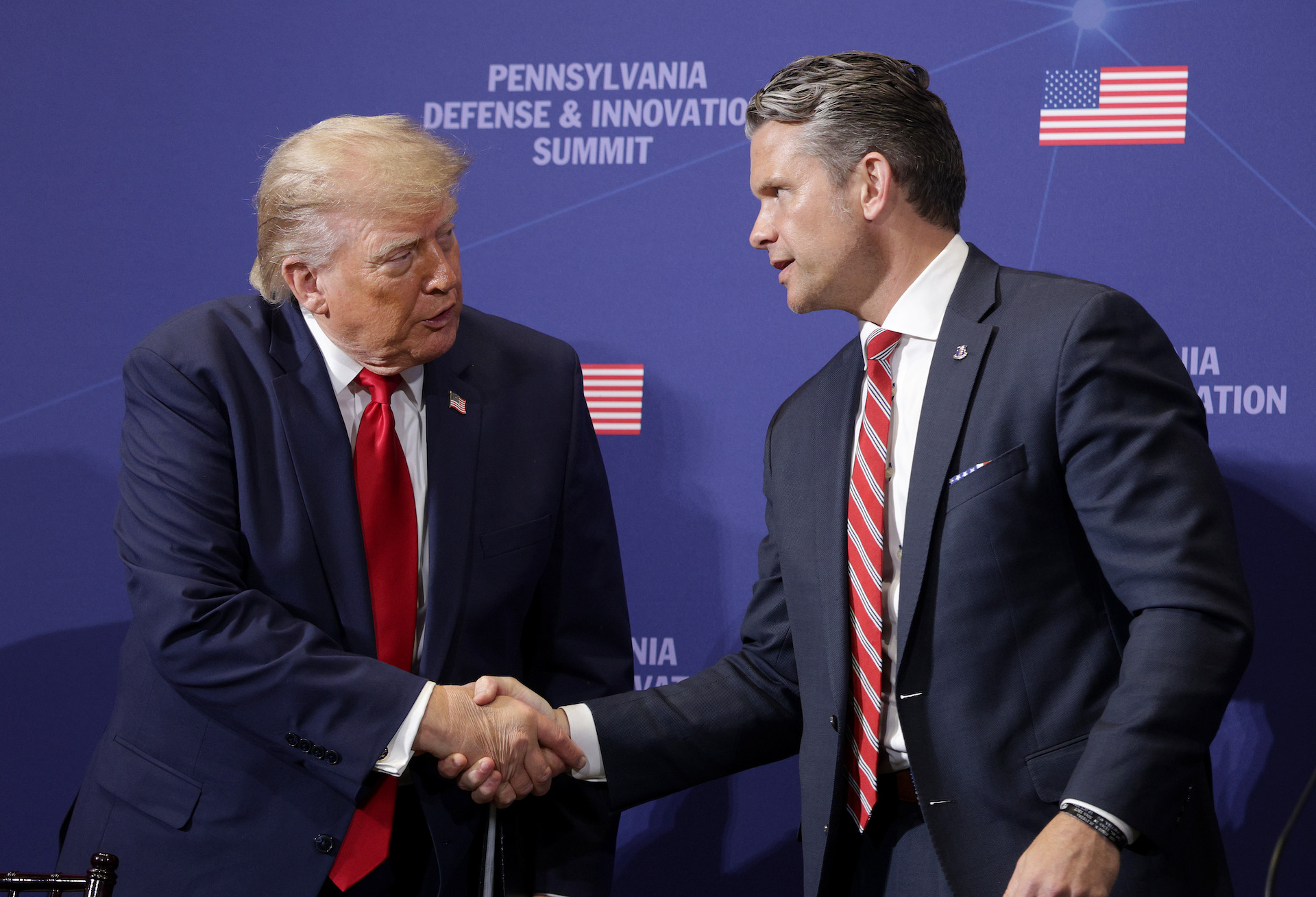
Trump Directs Use of AI in Defense Supply Chain Mapping
In a significant move aimed at bolstering national security, President Donald Trump has issued a new executive order authorizing the Pentagon to leverage AI supply chain mapping for identifying vulnerabilities within the defense industrial base. This directive, titled “Securing America’s Defense Supply Chains and Ensuring Domestic Acquisition of Critical Materials,” is designed to ensure that the Department of Defense (DOD) and its contractors strictly adhere to regulations restricting the use of sensitive materials sourced from geopolitical adversaries.
The executive order highlights the importance of resilience and transparency in the procurement of critical materials. President Trump emphasized that, despite existing prohibitions, defense contractors have historically under-prioritized domestic production and supply chain robustness. The new directive mandates rigorous implementation of statutory requirements under 10 U.S.C. 4872 to strengthen domestic and allied supply chains.
Mandated Supply Chain Mapping and Risk Assessments
As part of the executive order, Secretary of Defense Pete Hegseth is instructed to develop comprehensive policy and guidance within 180 days. This guidance will require all prime contractors and subcontractors to assist in AI supply chain mapping for any acquisitions related to U.S. national security. The process must span from raw materials up to finished products delivered to the Department of War, as the current administration prefers to call the DOD.
Contractors will now be obligated to submit a detailed, indentured bill of materials for every component, part, piece of equipment, and software, tracing each element back to its raw material origins. Additionally, they must implement robust risk assessment procedures and proactively vet all suppliers and subcontractors. These steps aim to illuminate weak points, bottlenecks, and single points of failure in the defense supply chain, enabling the Pentagon to take preemptive action.
The Role of Artificial Intelligence in Supply Chain Security
The executive order specifically calls out the use of artificial intelligence as a pivotal tool in enhancing supply chain transparency. According to the directive, the Department of War should utilize any available technologies, including AI, to map vulnerabilities associated with sourcing key raw materials and other critical supply chain links. By implementing AI supply chain mapping, the Pentagon aims to identify and address national security risks more efficiently and accurately than with traditional methods.
Before waivers under 10 U.S.C. 4872(c)(1) or (e) can be considered, the Secretary must ensure that all vulnerabilities, bottlenecks, and single points of failure have been accounted for. This stringent approach is intended to close loopholes and prevent contractors from bypassing regulations meant to protect the defense supply chain from foreign exploitation.
Encouraging Innovation and Protecting Small Businesses
The directive acknowledges the need for new software solutions to facilitate rapid testing and qualification of alternative sources and materials. The Secretary of Defense has 90 days to propose a strategy that includes identifying and rescinding regulations that could hinder timely defense production. Importantly, the executive order instructs the DOD to ensure that small businesses, non-traditional defense companies, and new market entrants are not unduly burdened by these new compliance requirements.
Contractors who seek waivers must submit formal mitigation plans detailing how they will address supply chain vulnerabilities. The administration warns of severe penalties for fraud or deliberate misrepresentation in these plans. If a prime contractor or subcontractor is found to have misled the government or failed to implement their mitigation plan as approved, the Secretary of Defense is empowered to take all necessary contractual actions and refer cases to the Attorney General for potential prosecution.
Implications for the U.S. Defense Industrial Base
The U.S. defense industrial base comprises hundreds of thousands of companies, making comprehensive AI supply chain mapping a formidable but critical undertaking. By mandating the use of artificial intelligence, the executive order seeks to modernize and secure the supply lines that underpin national defense. This move aligns with broader efforts to reduce reliance on foreign materials and ensure that U.S. military capabilities remain resilient in the face of evolving global threats.
As the Pentagon begins to implement this order, contractors throughout the defense supply chain will need to adapt quickly, integrating advanced digital tools and risk assessment protocols into their operations. The increased scrutiny and transparency requirements are expected to elevate standards across the industry, while also fostering innovation among suppliers and vendors.
In summary, President Trump’s executive order marks a pivotal shift toward technology-driven supply chain security in the defense sector. By embracing AI supply chain mapping, the U.S. aims to safeguard its critical defense infrastructure against emerging risks and maintain a robust, resilient industrial base.
This article is inspired by content from Original Source. It has been rephrased for originality. Images are credited to the original source.