

Actors Unite to Challenge AI Voice Cloning Risks
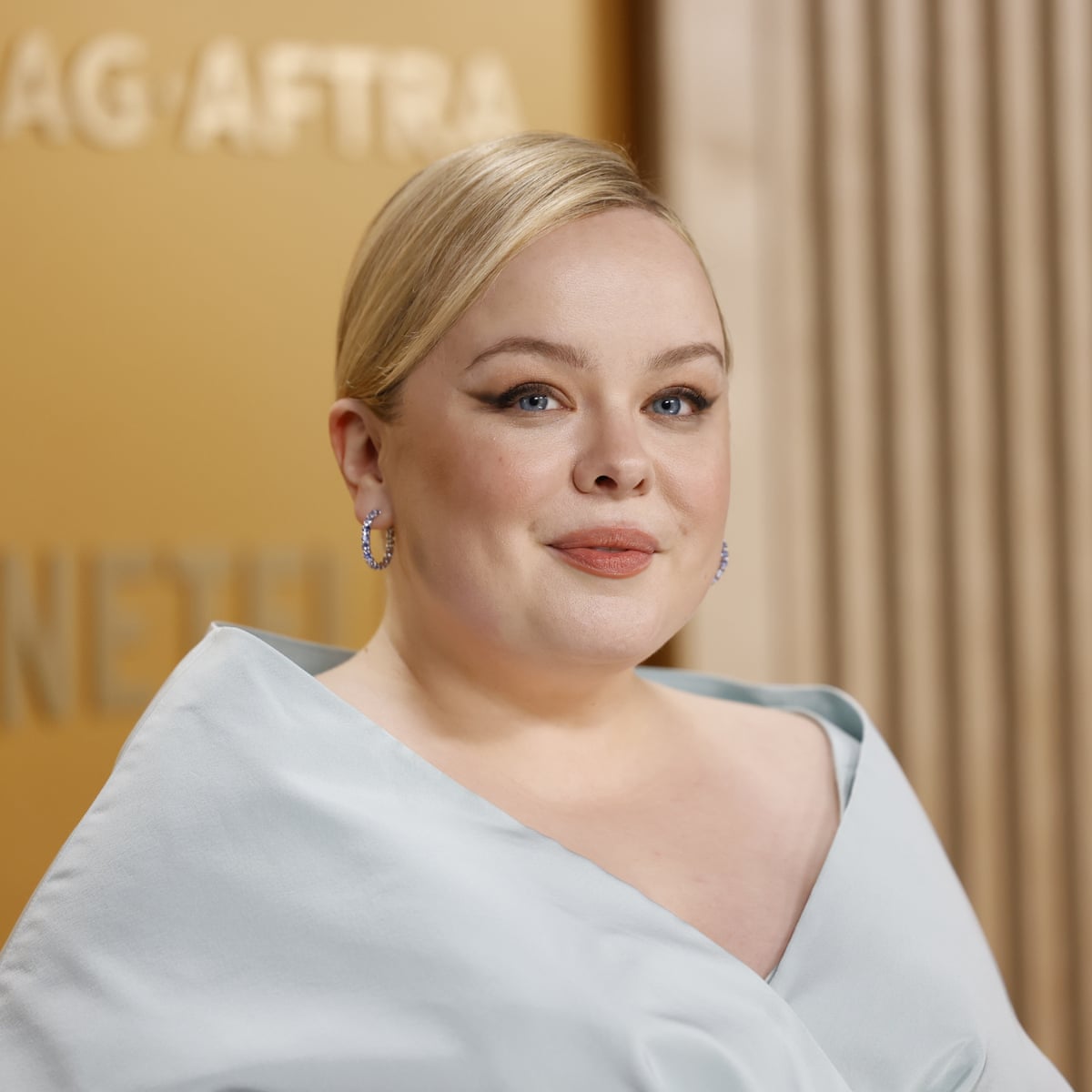
AI voice cloning has become a major concern for celebrities and everyday individuals alike. In the UK, well-known actors such as Nicola Coughlan, Matt Lucas, and Hugh Bonneville are taking a stand against the unauthorized use of AI technology to clone and replicate human voices. These stars, alongside about 80 other prominent figures, have signed an open letter addressed to Andy Burnham, urging the government to enact legislation that safeguards people’s rights to their own voices.
Save Our Voices Now: The Campaign’s Mission
The movement, called Save Our Voices Now, is supported by public figures including Luke Evans, Jen Brister, Siobhán McSweeney, and Pearl Mackie. The campaign’s goal is clear: to prevent AI voice cloning from being used without consent. By leveraging AI, it has become alarmingly easy to replicate someone’s voice, making it possible for the technology to say anything it is prompted to, regardless of the speaker’s intent or permission.
Hugh Bonneville, known for his roles in Paddington and Downton Abbey, emphasized the deeply personal nature of one’s voice. “My voice is unique, it’s mine, it’s part of my identity. So is yours. That’s worth speaking up about,” he stated, underlining that his support for the campaign is genuine and not generated by AI.
Rising Concerns Over Legislation and Ethics
Nicola Coughlan and Siobhán McSweeney voiced their fears about the rapid growth of AI technology outpacing current laws. McSweeney warned that “legislation, contracts, working practices and ethics, and artists’ rights are not being considered or protected as quickly as AI technology is progressing.” She added that while AI can be a helpful tool, it should not make artists obsolete nor remove the essential human connection that audiences crave.
The campaigners are not anti-technology; instead, they advocate for responsible use of AI voice cloning. McSweeney believes that integrating technology with human artistry can benefit everyone, so long as it is controlled legislatively to protect individual rights.
Real-World Consequences of Voice Cloning Scams
The urgency of the campaign is highlighted by statistics: 28% of UK adults report being targeted by voice-cloning scams. Peter Caulfield, the founder of Save Our Voices Now, stressed how quickly and easily AI can clone a person’s voice. “In just three seconds, with the right AI system, your voice can be cloned, stolen and reinterpreted without your knowledge. It’s a Black Mirror episode, except this isn’t fiction. It’s happening right now,” he said.
Caulfield argues that the government is currently allowing AI companies to exploit artists’ voices without their consent and is also enabling criminals to use AI for identity theft. The call to action is for legislative changes that will not only protect artists but also the general public from such threats.
International Examples and Legislative Hopes
Some countries are already making headway in protecting citizens against AI voice cloning abuses. In Denmark, recent law reforms grant individuals legal ownership over their face, body, and voice. These measures allow citizens to demand the removal of unauthorized AI-generated content and seek compensation if their likeness or voice is misused.
The UK campaign hopes to follow suit by ensuring that everyone in Britain is granted ownership of their voice as a statutory right. An online petition has been launched alongside the open letter, aiming to gather widespread support for this cause.
The Broader Impact on the Entertainment Industry
The threat of AI voice cloning is not limited to celebrities. As technology advances, anyone’s voice can be at risk. The entertainment industry, in particular, faces an existential challenge as AI-generated voices could potentially replace real actors, undermining both livelihoods and authenticity. The campaigners stress the importance of maintaining human involvement in entertainment, ensuring that technology enhances rather than erases the unique qualities of individual performers.
Conclusion: The Need for Urgent Action
With the increasing prevalence of AI voice cloning, the call for stronger legislation and ethical guidelines is more urgent than ever. The high-profile support for Save Our Voices Now highlights the widespread concern about protecting personal identity in an era of rapid technological change. As the UK and other countries consider new laws, the public’s voice—both literal and metaphorical—remains a crucial part of the debate over how AI should be regulated.
This article is inspired by content from Original Source. It has been rephrased for originality. Images are credited to the original source.