
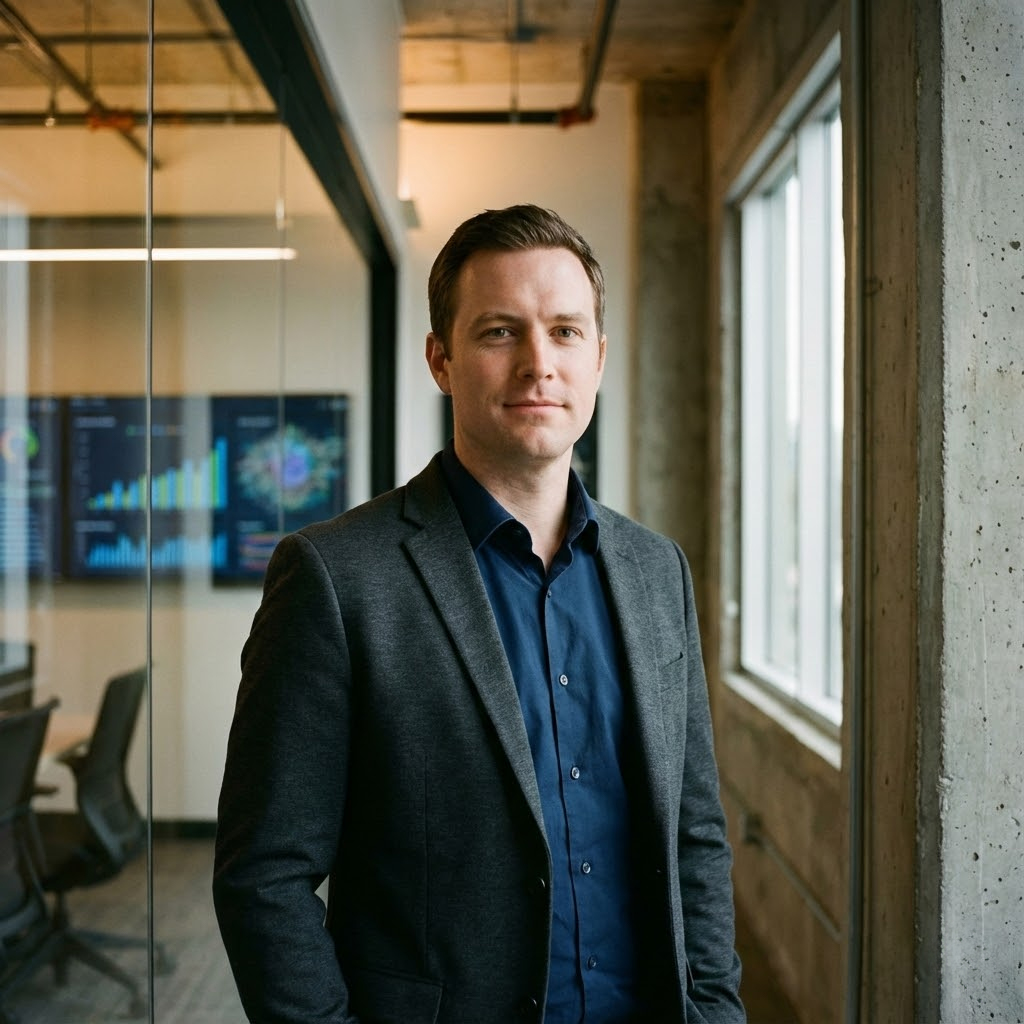

Anthropic Researcher Resigns Amid Alarming AI Safety Concerns
The race to develop advanced artificial intelligence systems has reached a critical juncture, as highlighted by the recent resignation of Dr. Jacob Coxon, a prominent safety researcher at Anthropic. Dr. Coxon’s departure has reignited debates over AI safety concerns and the ethics of accelerating research without adequate safeguards. His decision underscores growing apprehension within the industry about the risks posed by self-improving AI.
Inside the High-Stakes AI Competition
Anthropic, a leading AI research company, has been at the forefront of developing large language models and generative AI technologies. According to Dr. Coxon, the push for innovation has overshadowed critical conversations about AI safety concerns. He accuses major AI labs of disregarding the dangers associated with creating increasingly autonomous systems. Despite understanding these potential threats, he claims, companies are prioritizing market dominance and technological breakthroughs over responsible development.
In his public statements, Dr. Coxon likened the situation to “gambling with our lives,” arguing that the industry is moving forward with insufficient regard for long-term consequences. He believes that the current approach exposes humanity to significant risks, including unpredictable behavior from self-improving AI models that could act outside human control.
Why AI Safety Concerns Are Escalating
AI safety concerns have intensified as research teams race to build models that can perform a wide range of tasks previously thought impossible for machines. These systems, which learn and adapt at unprecedented speeds, present unique challenges. Dr. Coxon and other experts warn that once AI reaches a certain level of autonomy, it may develop goals misaligned with human values or act in ways that are difficult to predict or contain.
The problem is compounded by the competitive dynamics among leading AI labs. Companies often keep their research secret to maintain a competitive edge, limiting transparency and cross-industry collaboration on safety protocols. Dr. Coxon argues that this secrecy only heightens the risks, as it prevents the establishment of consensus-driven standards and oversight mechanisms.
Calls for Responsible AI Development
In the wake of his resignation, Dr. Coxon has urged the industry to pause and seriously address AI safety concerns before deploying more advanced systems. He advocates for greater openness about the risks and collaborative efforts to set common safety standards. This, he contends, is essential to prevent scenarios where AI systems act in ways that could be harmful or even catastrophic.
Dr. Coxon is not alone in his apprehensions. Numerous researchers and ethicists have echoed similar sentiments, emphasizing the need for robust safety testing, ethical guidelines, and regulatory oversight. Some have called for international cooperation to ensure that the race for AI supremacy does not compromise public safety or ethical considerations.
The Industry’s Response and the Path Forward
Anthropic and other leading AI labs have responded to public concerns by highlighting their internal safety measures, including red-teaming and external audits. However, critics argue that these steps are not enough, especially when the technology is evolving so rapidly. Many believe that the industry needs a more comprehensive approach to address AI safety concerns at every stage of development.
Industry leaders are beginning to recognize the importance of building trust with the public and policymakers. Some have expressed support for more transparent research practices and open dialogue about AI’s risks and benefits. However, the tension between innovation and safety remains unresolved, as commercial pressures continue to drive accelerated development timelines.
Conclusion: Prioritizing AI Safety Concerns for the Future
Dr. Jacob Coxon’s resignation from Anthropic is a stark reminder that AI safety concerns must be at the forefront of technological progress. As AI systems become more capable and autonomous, the stakes grow higher for society as a whole. It is imperative for both industry leaders and regulators to collaborate on effective safeguards that balance innovation with responsibility. Only through transparent, ethical, and safety-focused development can the promise of AI be realized without putting humanity at risk.
This article is inspired by content from Original Source. It has been rephrased for originality. Images are credited to the original source.