

University of Hawaii Secures Major NIH Funding for Medical AI
Artificial intelligence in healthcare is set to accelerate in Hawaii, as the University of Hawaii (UH) has been awarded a substantial $12 million grant from the National Institutes of Health (NIH). This funding will establish the Pacific Center for Artificial Intelligence and Data Science in Medicine (PAC-AID), supporting innovative biomedical research and improved health outcomes across the islands and the greater Pacific region.
What the Grant Will Fund
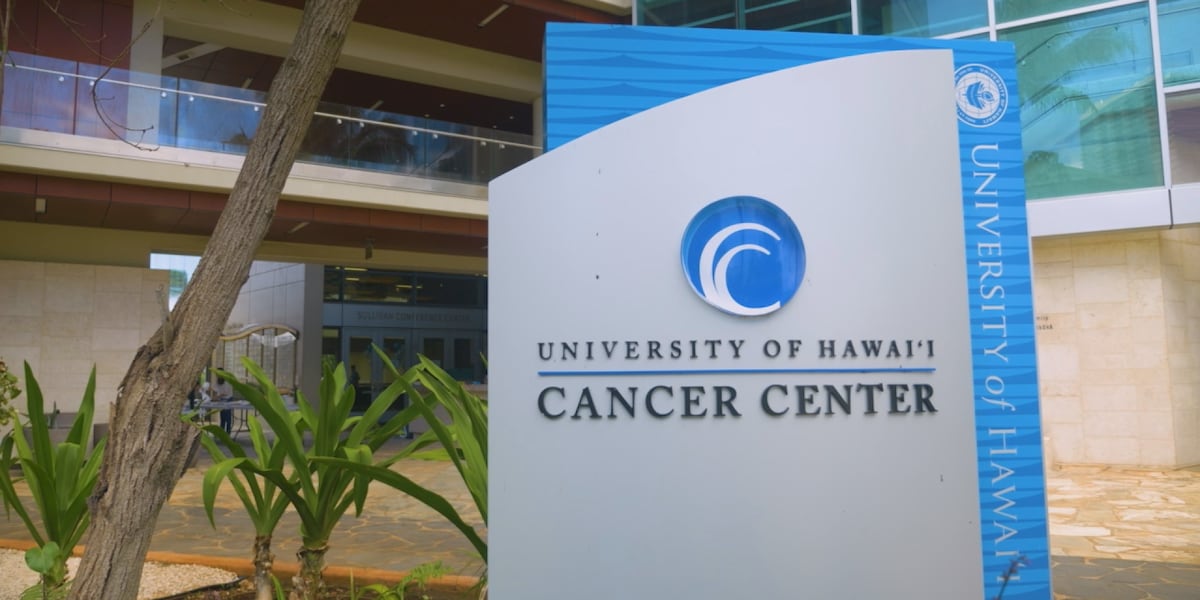
The NIH grant, awarded through the Centers of Biomedical Research Excellence program, will provide resources for PAC-AID at the UH Cancer Center and the John A. Burns School of Medicine. The grant period extends over five years, with funding secured through February 2031. The focus is on leveraging artificial intelligence in healthcare to accelerate research, enhance disease detection, and advance personalized medicine.
Key initiatives under PAC-AID include:
- Renovating the UH Cancer Center’s data center to house advanced computing infrastructure.
- Launching a Medical AI Core, which will offer researchers access to state-of-the-art AI tools and expertise.
- Supporting four major research projects initially, with a pilot program to foster additional studies targeting health challenges unique to Hawaii and Pacific Island communities.
Leadership and Vision
PAC-AID will be led by Dr. John Shepherd, chief scientific officer at the UH Cancer Center, and Dr. Youping Deng, co-director of the center’s Genomics and Bioinformatics Shared Resource. Together, they aim to transform the landscape of artificial intelligence in healthcare by enabling new forms of biomedical inquiry that were previously out of reach for Hawaii’s researchers.
Incoming UH Manoa Chancellor Vassilis Syrmos emphasized the significance of this grant: “At the heart of our mission as a flagship research university is the drive to translate innovation into meaningful impact,” he said. “PAC-AID is a vital expansion of that mission, enabling our faculty to harness the power of artificial intelligence to pioneer new avenues of biomedical inquiry that were previously unreachable.”
Building Capacity and Training the Next Generation
Besides supporting research, the grant aims to develop the next generation of investigators skilled in artificial intelligence in healthcare and advanced data science. The Medical AI Core will serve as a hub for training and collaboration, ensuring that local researchers and students gain the skills needed to compete in a rapidly evolving field.
University officials anticipate that PAC-AID’s resources and expertise will not only strengthen Hawaii’s biomedical research capacity but also attract additional federal funding and partnerships in the future.
Addressing Health Challenges in the Pacific
Hawaii and the Pacific Islands face unique health challenges, from higher rates of certain cancers to disparities in healthcare access. PAC-AID’s initial research projects will specifically address these issues, leveraging artificial intelligence in healthcare to analyze large datasets, identify risk factors, and improve disease prevention strategies tailored to local populations.
The center’s pilot program will also encourage innovative proposals from investigators interested in tackling emerging health issues across the region, fostering a dynamic and collaborative research environment.
Long-Term Impact for the Region
With the establishment of PAC-AID, the University of Hawaii is positioning itself as a leader in the integration of artificial intelligence and data science with medicine. This initiative is expected to:
- Advance biomedical research and personalized healthcare solutions.
- Boost economic development by attracting top talent and federal investment to Hawaii.
- Ensure local communities benefit from the latest advances in technology-driven healthcare.
Officials believe this investment in artificial intelligence in healthcare will have a lasting positive impact on health outcomes, research innovation, and workforce development throughout Hawaii and the Pacific.
Conclusion: A New Era for AI in Medicine
The $12 million NIH grant marks a turning point for the University of Hawaii and the broader Pacific region. By establishing PAC-AID, UH is set to become a hub for cutting-edge research and training in artificial intelligence in healthcare. As the center launches its projects and supports talented investigators, Hawaii is poised to lead the way in using AI to solve pressing medical challenges and improve lives for generations to come.
This article is inspired by content from Original Source. It has been rephrased for originality. Images are credited to the original source.