

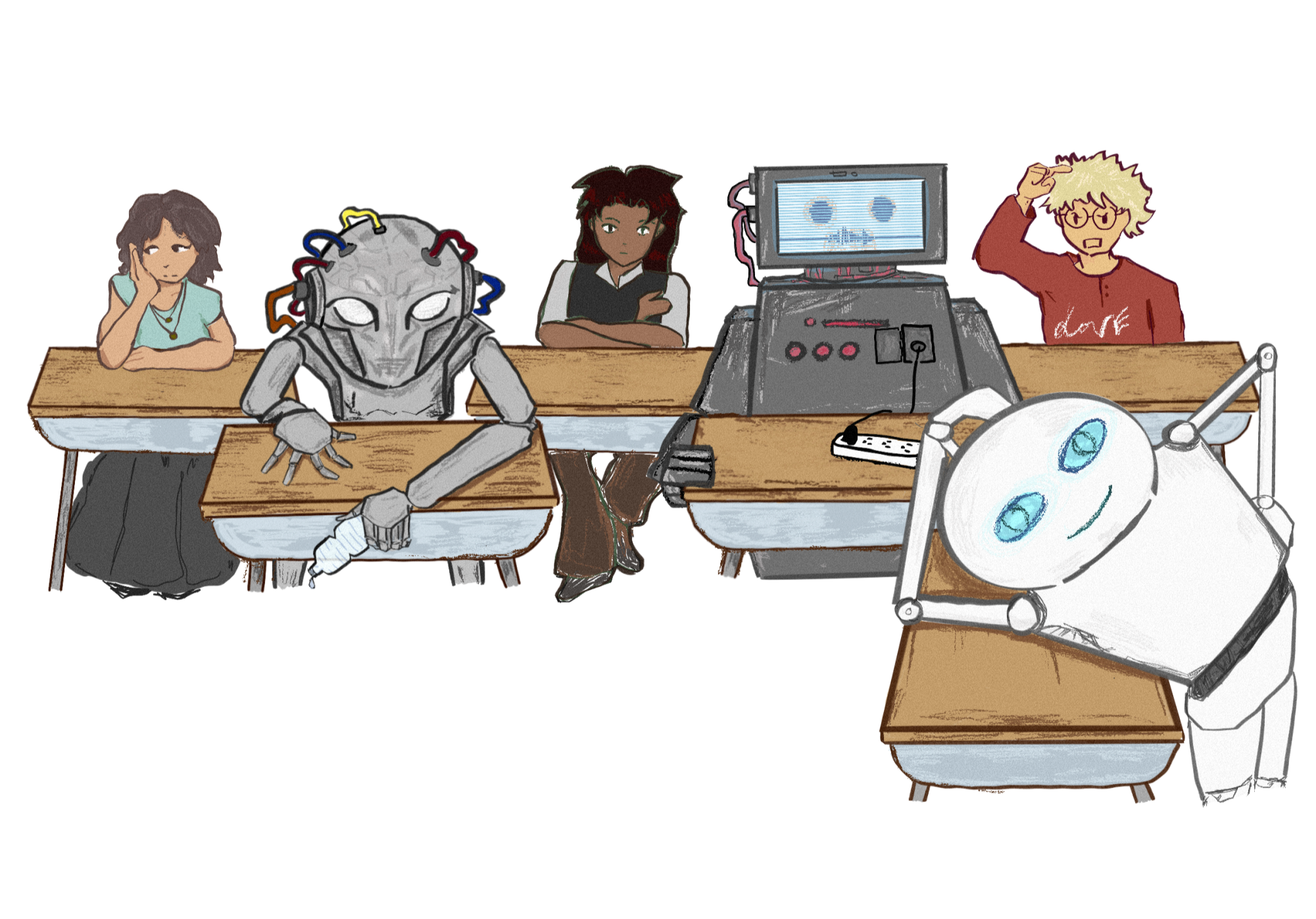
The Rise of AI in Higher Education
Artificial intelligence in education is rapidly reshaping the way students and professors interact in the classroom. At Trinity University, the integration of AI tools such as Boodlebox is becoming increasingly prevalent, prompting faculty to examine the benefits, limitations, and ethical considerations of these emerging technologies. The topic of artificial intelligence in education is now at the forefront of academic discussions, as educators strive to harness its potential for enhancing learning while maintaining academic integrity.
Professors Explore New Teaching Approaches
Jacob Sanchez, a visiting assistant professor of communication, is among those embracing AI in his courses. “I think of it as a tool,” Sanchez explains. “It can be used for good or evil.” He encourages students to utilize AI for assignments, fostering discussions about its strengths and weaknesses. In his classes, students are not only permitted to use AI platforms, but are also asked to report which ones they use and how they leverage them in their work. Sanchez notes, “I like students to use props and also tell me what props they use. To see which ones were most or least helpful.” This approach helps students critically assess various AI tools and develop an understanding of their capabilities and limitations.
Despite his openness, Sanchez believes that the decision to incorporate AI should ultimately rest with individual professors. “If AI is fully integrated into Trinity’s curriculum,” he says, “there should be regulations on its usage.” He advocates for thoughtful guidelines that protect academic standards while enabling innovation in teaching methods.
Balancing AI Adoption with Critical Thinking
Andrew Hansen, chair and associate professor of human communication and theatre at Trinity, takes a slightly different approach. He permits students to use AI as a teaching assistant, but emphasizes that it should supplement, not replace, their own intellectual efforts. Hansen uses AI platforms focused on document analysis, such as NotebookLM, and has adjusted his assessments accordingly. For example, he now requires students to write essays in class with a lockdown browser, ensuring the work reflects their own understanding rather than relying solely on AI assistance.
Hansen’s objective is to help students learn how to use artificial intelligence in education responsibly. “All of my uses of it try to enhance this sort of critical thinking and learning that they’re already doing,” Hansen says. By setting boundaries, he believes students can gain valuable experience with AI while still developing essential academic skills.
Skepticism and Responsible Use of AI
Not all professors are eager to embrace AI in the classroom. Hye Yun Kang, an assistant professor of political science, remains cautious. She does not allow students to use AI to write papers or complete assignments, though she does not have a strict policy against using it for general research. Kang emphasizes the importance of students learning to evaluate information independently before relying on AI tools. “I think that they need to learn for themselves what good information and knowledge is,” she states. “They should be able to discern for themselves before using AI effectively.”
Despite her reservations, Kang acknowledges the growing influence of artificial intelligence in education, noting that its adoption seems inevitable. Like her colleagues, she stresses the need for students and staff to educate themselves on how to use AI responsibly and recognize its limitations.
Preparing Students for the Future
Across the board, Trinity professors agree that as AI becomes more integrated into daily life—especially in professional and educational contexts—students must develop the skills to use it thoughtfully. This includes understanding the strengths and weaknesses of AI tools, maintaining academic honesty, and preparing for a workforce where AI literacy will be increasingly valuable.
By actively engaging with artificial intelligence in education, universities like Trinity are equipping students with the critical thinking and technical skills necessary to thrive in a rapidly evolving landscape. As faculty continue to experiment with new teaching strategies and policies, the conversation around AI in the classroom will only become more important.
Conclusion: Navigating the AI-Driven Classroom
The ongoing implementation of artificial intelligence in education highlights both opportunities and challenges for universities. While AI can enhance learning and provide new tools for research and collaboration, it also requires careful oversight and a commitment to fostering independent thought. At Trinity University and beyond, the balance between innovation and academic integrity will shape the future of higher education in the age of artificial intelligence.
This article is inspired by content from Original Source. It has been rephrased for originality. Images are credited to the original source.