

Artists Resist AI-Generated Toy-Like Avatars
In recent months, a growing number of artists are taking a stand against the proliferation of AI-generated images that transform personal photos into toy-like avatars. They argue that this trend is eclipsing human creativity and threatens their livelihoods.
AI-Inspired Creations: A Double-Edged Sword
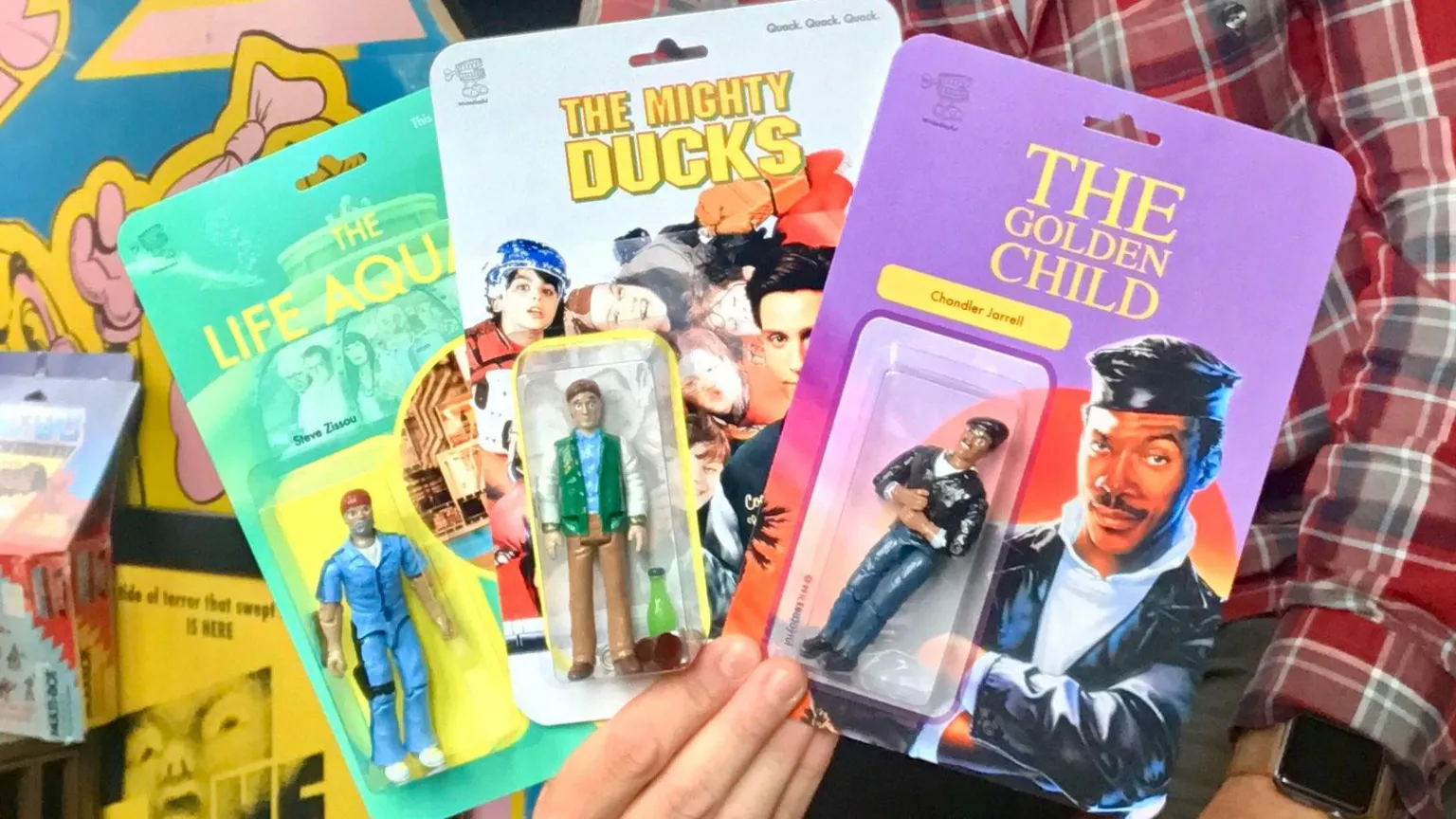
Since April, many have succumbed to the intrigue of AI technology to craft doll-like portrayals of themselves, even as admonitions arise about privacy concerns and environmental impact. Custom action figure designer Nick Lavallee expressed serious concerns about AI images saturating the digital space and potentially devaluing his work. Lavallee, who operates the custom figure brand Wicked Joyful, highlighted that AI-generated art diminishes the unique artistic aesthetic present in handcrafted pieces.
He cites that his figures, representing icons like Eddie Murphy and Rivers Cuomo, have garnered significant sales online. However, Lavallee worries that the influx of AI replicas might dry up unique figure commissions and alter the public perception of his work.
The StarterPackNoAI Movement
This sentiment resounds globally as creatives rally under the banner of StarterPackNoAI, a movement urging the celebration of genuine artistry over computerized creations. Artists like Maria Picassó Piquer and Dav le Dessineux are actively voicing their resistance, choosing to highlight the distinctiveness and variety that human artistry brings compared to the monotonous AI outputs.
Picassó Piquer, illustrating from Barcelona, emphasized the uniqueness present in human-made works and their added depth of personality. Similarly, Bordeaux-based illustrator Dav contributed to the movement by showcasing the simplistic yet powerful tools of traditional artistry—a pencil and paper—reminding the world that technology isn’t a prerequisite for creativity.
A Divided Community
Despite the resistance, some, like Nick Lavallee, recognize potential in AI as a tool when harnessed correctly. However, experts caution against its overuse in areas as trivial as digital selfies when AI’s capabilities could contribute to more substantial technological advances.
Henk van Ess, known for his expertise in AI-driven research, likened this application of AI to trivial uses of advanced technologies, urging deeper focus on AI’s revolutionary potential for global problems.
Traditional Craftsmanship’s Enduring Value
In this ongoing struggle, there’s optimism that artistry’s human touch will prevail. Dav draws parallels with the furniture industry, where handcrafted pieces still find appreciation despite mass-produced alternatives.
Lavallee holds on to this hope, with faith that consumers can discern the authentic passion in his creations versus those churned out by machines. He believes in the enduring power of handmade art to enrich lives, sustaining the human connection that purely digital creations can never replicate.
For more insights and articles on technology and art, visit aitechtrend.com.
Note: This article is inspired by content from https://www.bbc.com/news/articles/c3v9z45pe93o. It has been rephrased for originality. Images are credited to the original source.