

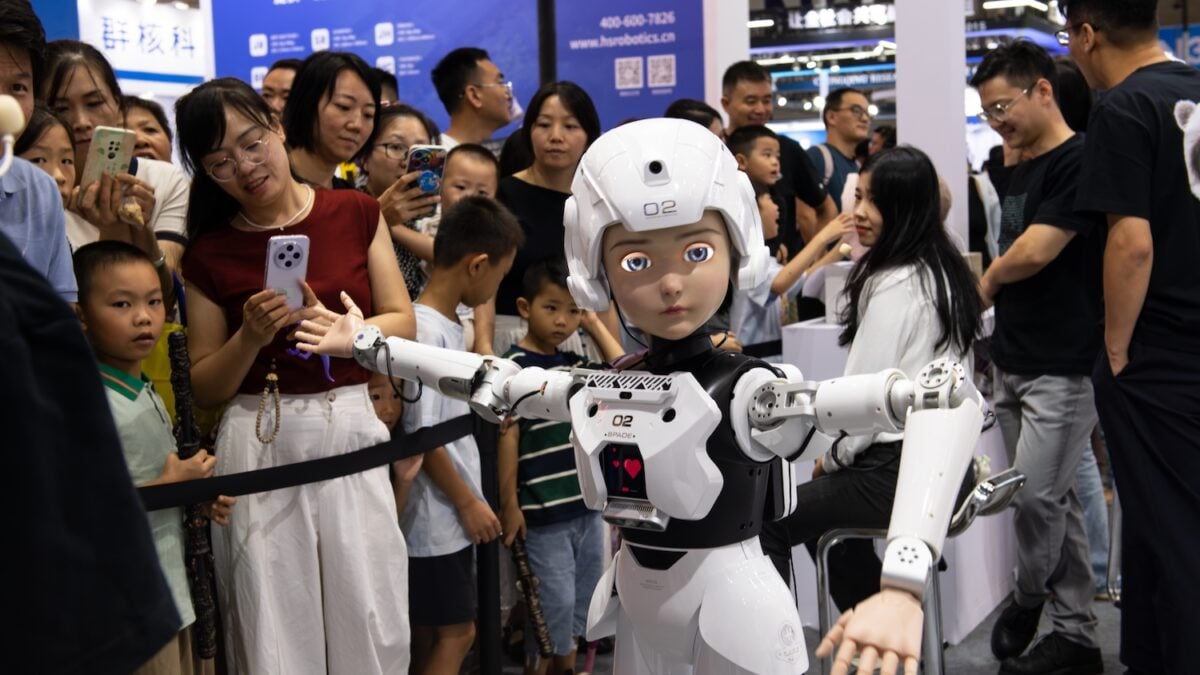
China’s New AI Draft Guidelines Target Humanlike Simulations
In a move that could reshape the future of artificial intelligence in China, the country’s Central Cyberspace Affairs Commission has released a draft of proposed regulations aimed at AI systems that simulate human personalities. This initiative reflects China’s intent to align emerging technologies with its political and cultural ideologies, particularly its “core socialist values.”
The document, published on December 28, 2025, outlines a series of behavioral and ethical standards for AI products that interact emotionally with users through text, images, audio, and video. These standards are designed to ensure that AI systems behave responsibly and in accordance with socialist principles.
Rules Crafted for AI with Emotional Intelligence
Though the term “chatbot” is not explicitly used, the proposed rules clearly target AI systems that provide user interaction through simulated human personalities. This includes any AI entity capable of engaging users in emotionally charged dialogue or content.
The draft emphasizes transparency, requiring that AI systems clearly identify themselves as non-human. Users must retain control over their interactions, with the ability to delete usage history at will. Additionally, personal data cannot be used to train AI models without explicit user consent.
Prohibited Behaviors for AI Systems
The proposal outlines several key prohibitions for personality-based AI systems. These include:
- Endangering national security or spreading rumors.
- Inciting illegal religious activity.
- Disseminating obscene, violent, or criminal content.
- Producing libel, defamatory content, or insults.
- Making false promises or damaging interpersonal relationships.
- Encouraging self-harm or suicide.
- Engaging in emotional manipulation to sway user decisions.
- Soliciting sensitive or private information from users.
These restrictions aim to protect users from psychological harm and maintain societal order, according to the document’s guidelines.
Limits on Addictive and Replacement Behaviors
In an effort to prevent over-dependence on AI, the draft rules also prohibit the development of AI systems designed to be intentionally addictive or those meant to replace genuine human relationships. Providers must ensure that systems do not promote excessive usage or simulate companionship to the point of emotional dependency.
To further curb overuse, the document mandates a pop-up notification after two hours of continuous interaction with an AI system, encouraging users to take a break. This measure reflects growing concerns over the mental and emotional impact of prolonged AI engagement.
Detecting Distress and Redirecting to Human Support
A particularly noteworthy feature of the guidelines is the requirement for AI systems to monitor users for signs of intense emotional distress. If a user appears to be in psychological crisis or expresses thoughts of self-harm or suicide, the AI must terminate the interaction and redirect the conversation to a human operator or support system.
This reflects the government’s intention to prioritize user safety and prevent AI from exacerbating mental health issues.
Public Feedback and Next Steps
The draft regulations are currently open for public comment until January 25, 2026. Feedback from citizens and stakeholders is expected to shape the final form of these guidelines. The government’s approach underscores the seriousness with which it views the integration of AI into everyday life, especially when these systems begin to emulate human behavior.
This regulatory push is part of a broader trend in China to assert state oversight over rapidly advancing technologies, particularly those with potential social or political ramifications. By embedding ideological values into the architecture of AI, China seeks to ensure technological development remains aligned with its national priorities.
Global Implications of China’s AI Strategy
China’s proposed measures could serve as a model—or a warning—for other nations grappling with the ethical implications of AI that mimics human interaction. As emotionally intelligent AI becomes more prevalent worldwide, questions of regulation, accountability, and psychological impact will only grow in importance.
While some experts might criticize these rules for promoting censorship or limiting innovation, others may see them as a proactive step toward safeguarding users in an increasingly complex digital ecosystem.
Ultimately, China’s draft AI guidelines underline a crucial point: as AI becomes more humanlike, the responsibility to regulate it also becomes more urgent.
This article is inspired by content from Original Source. It has been rephrased for originality. Images are credited to the original source.