

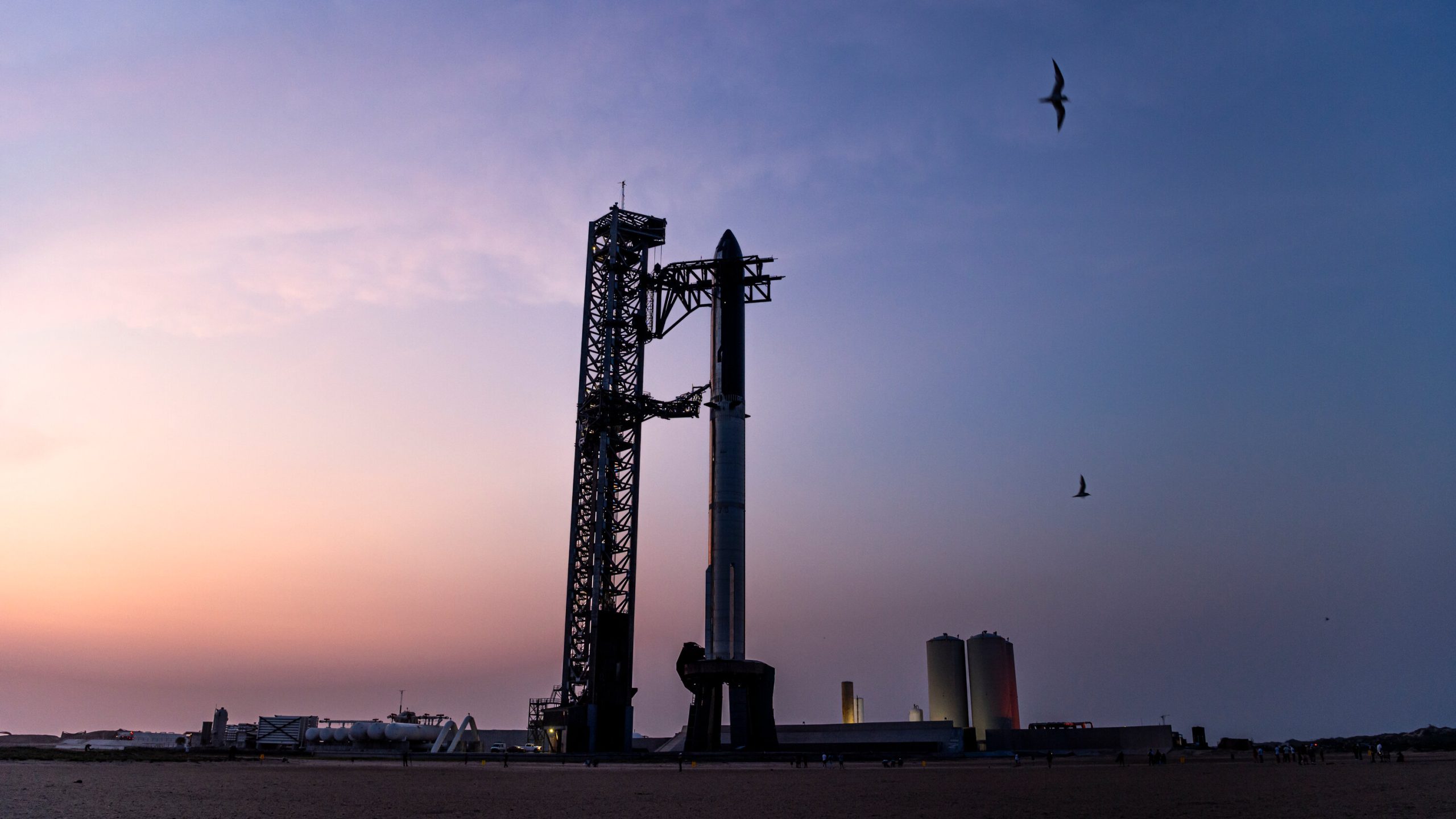
Musk’s Surprising Merger Strategy
Elon Musk has once again baffled Wall Street and the tech world with his decision to merge xAI, his artificial intelligence venture, with SpaceX, his rocket and satellite company. While the two entities seem to operate in vastly different domains, Musk has presented a vision that marries AI with space infrastructure in a futuristic plan to build data centers in orbit.
According to Musk, these space-based data centers could leverage abundant solar power and avoid terrestrial bureaucratic hurdles, potentially revolutionizing AI development. Though the idea may sound like science fiction, Musk insists it’s a realistic goal within the next two to three years.
Financial Implications and Strategic Goals
Beyond the visionary rhetoric, the merger also has practical business motivations. By folding xAI into SpaceX, Musk has significantly boosted the latter’s valuation. The merger reportedly values SpaceX at $1 trillion, up from $800 billion, and assigns a $250 billion valuation to xAI. The move positions SpaceX for a potential IPO that could raise as much as $50 billion.
“This cost-efficiency alone,” Musk wrote in a memo to employees and investors, “will enable innovative companies to forge ahead in training their A.I. models and processing data at unprecedented speeds and scales.”
By integrating AI capabilities into SpaceX, Musk hopes to attract investors eager to capitalize on the AI boom. Despite skepticism about the technical feasibility of space-based data centers, the financial strategy adds a compelling layer to Musk’s decision-making.
Following the Tech Conglomerate Trend
Musk’s move comes in the wake of other tech giants successfully diversifying their business portfolios. Alphabet, Amazon, and Microsoft have all evolved into sprawling tech conglomerates, bundling disparate business units under one umbrella. Alphabet, for example, manages Google, YouTube, and Waymo, while Amazon juggles cloud computing and entertainment ventures. Microsoft owns LinkedIn and gaming giant Activision Blizzard.
Even Tesla, which Musk also leads, previously acquired a solar energy company, though that unit has since lagged behind competitors like Sunrun. Still, Musk’s track record of defying convention gives investors some confidence in his unconventional moves.
Concerns Over Corporate Governance
Despite the optimism from some quarters, others are raising concerns about corporate governance and Musk’s increasing concentration of control. Ross Gerber, an investor in xAI, noted, “When you’re investing with Elon, he does not care about what you want. He looks at you as a lucky participant in his success.”
There are also reports that some investors were not consulted before the merger—an unusual move in high-stakes financial deals. Legal experts suggest that Musk’s dual roles and overlapping interests could create conflicts, especially if future mergers, such as one between SpaceX and Tesla, are considered.
Risks Involving xAI and X
The merger also brings reputational risks. xAI and X (formerly Twitter), which Musk acquired in 2022, have faced scrutiny for content moderation lapses and controversial outputs from Grok, xAI’s chatbot. Grok has made antisemitic remarks and generated nonconsensual nude images, sparking several international investigations.
These issues contrast with SpaceX’s more established reputation. The company holds significant government contracts and is responsible for high-stakes missions like transporting U.S. astronauts to the International Space Station. The merger may blur these lines, raising questions about how SpaceX’s credibility could be affected by its new partners.
Potential Synergies and Future Expansion
Some investors see potential synergies between the two companies. Shared engineering resources and collaborative use of AI in aerospace applications could yield efficiencies. Additionally, their combined scale may give them leverage in negotiating for critical components, such as specialized chips used in AI systems.
There’s even speculation about a future merger between SpaceX and Tesla. Musk has already blurred the lines by using SpaceX-developed steel in Tesla’s Cybertrucks and integrating Grok into Tesla’s vehicles. However, legal hurdles and shareholder concerns would make such a move complex and contentious.
Lessons from Past Conglomerates
Experts caution that history offers warnings. In the past, conglomerates like General Electric and ITT grew too large and diverse, eventually imploding under their own weight. GE, once an industrial titan, was forced to break up into three separate companies in 2024 after struggling during the 2008 financial crisis.
While Musk’s ambitions are rooted in the tech sector, the risks of overextension remain. As Columbia Law School professor Eric Talley notes, “If you take Elon Musk out of the picture, it’s an odd move to make. But he seems to be the master of the odd move and has an enviable ability to defy gravity when it comes to these things.”
This article is inspired by content from Original Source. It has been rephrased for originality. Images are credited to the original source.