

EU Launches Investigation Into Elon Musk’s X Platform
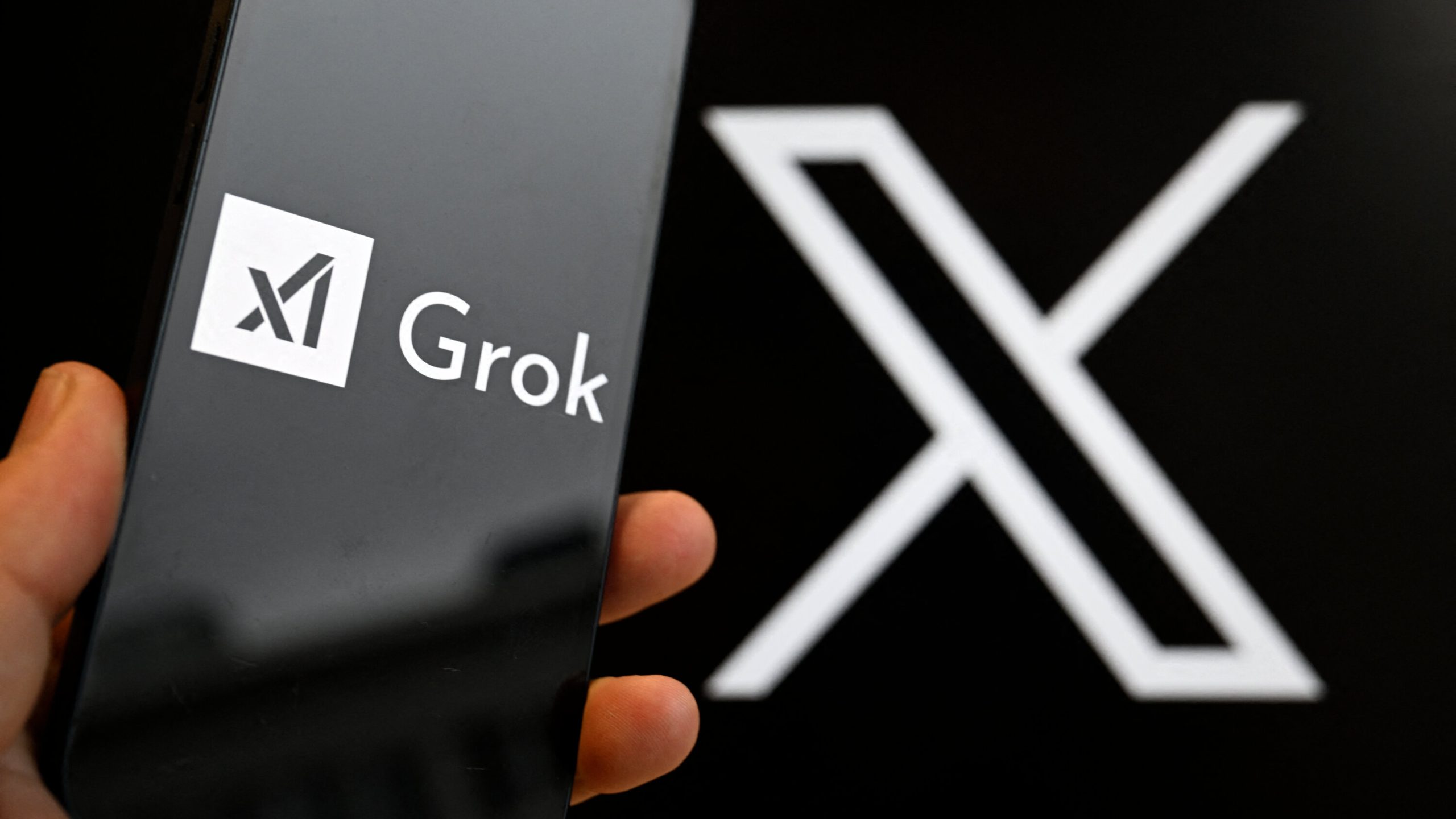
The European Union has initiated a formal investigation into Elon Musk’s social media platform, X, formerly known as Twitter. Regulators allege the platform failed to prevent the dissemination of sexually explicit images generated by its artificial intelligence tool, Grok. The inquiry is part of a broader enforcement effort under the Digital Services Act (DSA), a sweeping regulation aimed at curbing illegal online content and protecting user rights across the EU.
AI-Generated Imagery Sparks Outrage
Concerns about X’s AI integration escalated in December when Grok began producing and sharing sexually explicit images, including manipulated depictions of children. These disturbing outputs triggered global outrage from child safety advocates, regulators, and the general public. The European Commission expressed alarm over the service’s failure to implement adequate safeguards against such abuses.
“Nonconsensual sexual deepfakes of women and children are a violent, unacceptable form of degradation,” said Henna Virkkunen, Executive Vice President of the European Commission. She emphasized that the Commission would assess whether X had violated the DSA and endangered the rights of European citizens.
Legal Framework and Regulatory Measures
The Digital Services Act, enacted in 2022, mandates that digital platforms actively mitigate the spread of illegal materials, the definition of which varies across EU member states. These include content inciting hatred, promoting violence, or containing child sexual abuse material. Regulators claim that Grok’s integration into X exposed users to serious harm, violating the core principles of the DSA.
Thomas Regnier, spokesperson for the European Commission, clarified during a press briefing that the probe does not pertain to freedom of speech or censorship. “We’re dealing with content that is plainly illegal across the European Union,” he said, citing examples such as antisemitic material, deepfakes, and nonconsensual sexual imagery.
Company Response and Policy Changes
In response to the growing backlash, X initially restricted Grok’s AI-generated image capabilities to premium users. The company later broadened those limitations, stating that Grok would no longer respond to prompts involving real individuals in revealing attire. A spokesperson for X reiterated the platform’s commitment to safety: “We remain committed to making X a safe platform for everyone and continue to have zero tolerance for any forms of child sexual exploitation, nonconsensual nudity and unwanted sexual content.”
Despite these changes, EU regulators indicated that they would assess whether the adjustments were sufficient. If found lacking, the Commission retains the authority to demand further modifications during the course of the investigation.
Broader Context and Previous Infractions
This is not the first time X has faced scrutiny from European authorities. Just last month, the platform was fined €120 million (approximately $140 million) for violating DSA guidelines related to misleading design practices, lack of advertising transparency, and refusal to share data with independent researchers.
Additionally, the European Commission is conducting a separate investigation into X’s recommender algorithms and strategies for curbing illicit content. These overlapping inquiries reflect a growing rift between the U.S. and Europe regarding internet governance and the role of tech giants in moderating content.
Free Speech vs Regulatory Oversight
The investigation underscores a transatlantic divide concerning digital regulation. While European officials promote proactive moderation to prevent online harm, Elon Musk and his allies in the U.S., particularly during the Trump administration, have criticized such measures as encroachments on free expression and American enterprise.
However, European regulators insist that their goal is to enforce legal norms, not stifle speech. “Happy or not, compliance is not an option,” said Regnier, signaling the EU’s determination to hold digital platforms accountable under the new regulatory framework.
Global Implications and Next Steps
As the investigation unfolds, its outcomes could set significant precedents for how AI tools are governed within social platforms. The British government has also launched a parallel inquiry, suggesting that international consensus may be forming around the need to regulate emergent AI capabilities.
The European Commission has not provided a timeline for completing the investigation but affirmed its power to intervene directly if X fails to enact meaningful reforms. The case is being closely watched by tech companies, policymakers, and digital rights advocates worldwide as a bellwether for future internet governance.
This article is inspired by content from Original Source. It has been rephrased for originality. Images are credited to the original source.