

The Rise of AI and What It Means
From Silicon Valley boardrooms to college campuses, artificial intelligence (AI) has become a pervasive presence in our lives. AI offers solutions to complex problems, streamlines tasks, and provides near-instant answers. However, as AI becomes more integrated into our daily routines, it’s worth asking: what are we losing in the process?
AI was created to make tasks easier and more accurate. It excels at solving specific problems with precision. Yet, this strength can also become a limitation. When we rely heavily on AI, we risk narrowing our intellectual horizons. Instead of fostering curiosity and exploration, AI may trap us in a loop of efficiency and predictability.
Why Context and Curiosity Matter
One of the most profound losses in the AI-driven world is the erosion of what might be called “meaningful meanderings.” AI operates within the bounds of its programming, delivering results that match the parameters given. It is not built to explore tangents or stumble upon unrelated insights—something that often leads to innovation and deeper understanding in human research.
Take the example of a college student, “Tim,” who used ChatGPT to assist with a Shakespeare paper. Although he avoided plagiarism, the project shifted from an intellectual exploration to a simple editing task. The journey of discovering themes, questioning interpretations, and wrestling with ideas was lost. This kind of shortcut diminishes the learning process and the opportunities for personal growth.
Accidental Genius: A Human Trait
History is filled with discoveries made by accident—events that AI, by design, is unlikely to replicate. Alexander Fleming discovered penicillin not through targeted research but after returning from vacation to find mold killing bacteria in a petri dish. Similarly, the microwave oven was invented when a candy bar melted near a magnetron.
These stories illustrate the value of getting lost in the process. Wandering intellectually can yield surprising and transformative outcomes. Such serendipity is difficult to program into AI, and its absence could limit the scope of future innovations.
The Dangers of Overreliance
While AI can be a powerful tool, overdependence on it comes with risks. Many young adults today trust AI-generated information with little skepticism. They see it as an authoritative source rather than one of many perspectives. This mindset can be dangerous, as it discourages critical thinking and the development of independent judgment.
Whether the source is a politician, philosopher, or machine, it’s vital to question and cross-reference information. AI should serve as a starting point—or one data point among many—rather than the final authority. Encouraging diverse viewpoints and critical analysis is essential for intellectual development.
Fostering Independent Thought
As an educator and clinical psychologist, I emphasize the importance of independent thought. I often tell my students not to take my words as gospel but to consider them as one perspective shaped by my experience. This approach helps students find their own voices and methods within the systems they operate in.
In medicine and beyond, there are gray areas that require judgment, empathy, and nuance—qualities that AI cannot replicate. The ability to navigate these uncertainties is what distinguishes a competent professional from a truly exceptional one.
Encouraging intellectual freedom and exploration nurtures creativity and resilience—traits that are vital in both personal and professional life.
Balancing Human Intellect and Machine Precision
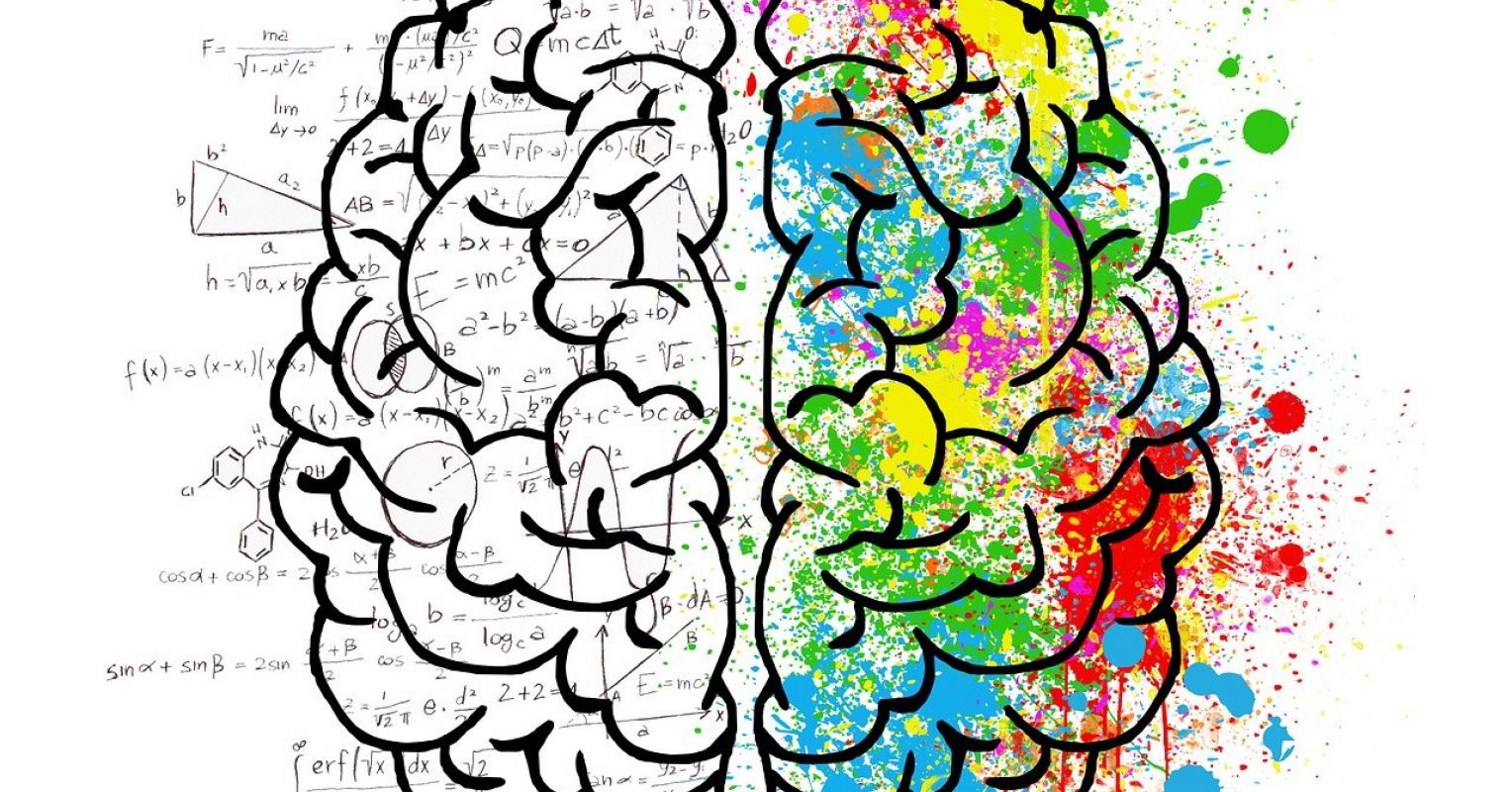
AI is here to stay, and its benefits are undeniable. It can analyze data at lightning speed, identify patterns, and suggest solutions that might take humans years to uncover. But it lacks the soul of human inquiry—the emotional depth, the capacity for doubt, and the willingness to embrace uncertainty.
The opposite of AI, then, may not be a single concept but a constellation of human traits: patience, curiosity, fallibility, and the courage to explore the unknown. These qualities should be preserved and nurtured, especially in a world increasingly shaped by algorithms and automation.
Rather than viewing AI as a replacement for human thought, we should see it as a complement. By integrating AI’s strengths with our own, we can create a more balanced and thoughtful approach to knowledge and problem-solving.
This article is inspired by content from Original Source. It has been rephrased for originality. Images are credited to the original source.