

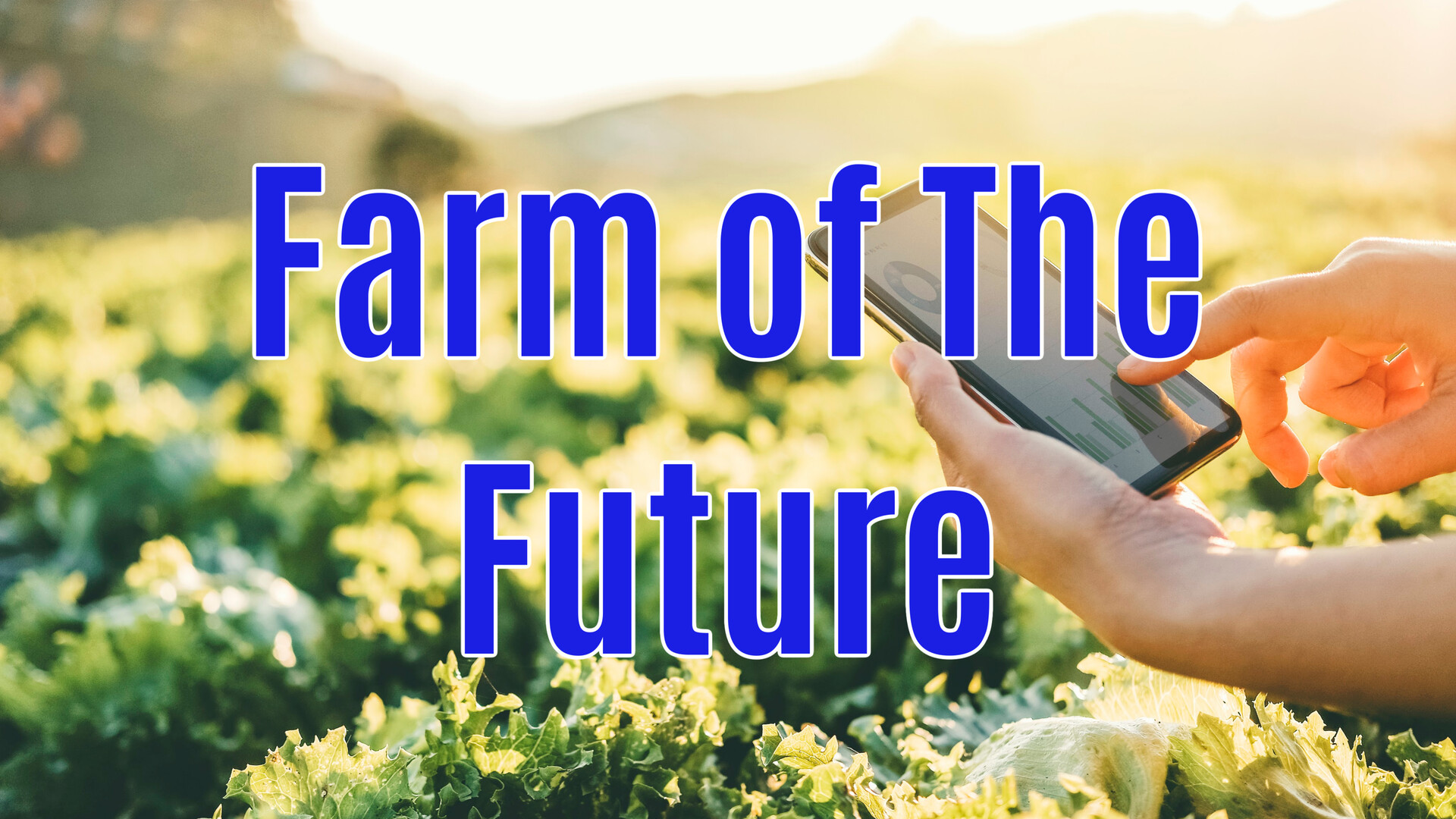
The Rise of Artificial Intelligence in Agriculture
As artificial intelligence (AI) technologies continue to evolve, their implementation in agriculture is reshaping the way farms operate across the globe. From precision farming to automated harvesting, AI is not only making agricultural processes more efficient but also raising important questions about the future of the workforce in this essential industry.
While AI offers numerous benefits, including increased productivity and reduced resource usage, these advancements are also prompting discussions about job displacement. Farmers, technicians, and agricultural laborers alike are navigating a changing landscape where machines and algorithms are playing an increasingly central role.
Efficiency and Innovation on the Farm
One of the most significant impacts of AI in agriculture is the optimization of daily operations. Smart systems can monitor crop health, predict weather patterns, and manage irrigation systems with far greater accuracy than traditional methods. These technologies help farmers make informed decisions in real time, improving yields and minimizing waste.
“The use of AI allows us to do more with less,” says a leading agricultural technology expert. “From drones that survey fields to sensors that track soil moisture, AI is enabling us to make smarter choices every step of the way.”
Automated machinery, such as robotic planters and harvesters, is also becoming more common. These machines can operate for long hours without fatigue and are ideal for addressing labor shortages in rural regions.
Concerns Over Workforce Displacement
Despite these advancements, many agricultural workers are concerned about job security. As machines take on tasks that were once performed by humans, there is a growing fear that AI could lead to widespread unemployment in the sector.
“Technology should be a tool, not a replacement,” says a farmworker advocate. “We must ensure that as the industry modernizes, it continues to value and support the human workforce.”
Some experts argue that while certain jobs may be eliminated, new roles will be created. For instance, skilled technicians will be needed to maintain and operate advanced machinery, and data analysts will be required to interpret the information collected by AI systems.
Reskilling and Education for the Future
To address the evolving needs of the agricultural labor market, many organizations are investing in education and training programs. These initiatives are designed to help workers adapt to new technologies and acquire the skills needed for emerging roles.
“We’re seeing a shift in what it means to work on a farm,” says a representative from an agricultural college. “Today’s farmworkers may need to understand software systems, operate drones, or troubleshoot automated equipment. Education is key to making this transition successful.”
Partnerships between tech companies, universities, and farming communities are helping to bridge the gap, ensuring that technological progress does not leave workers behind.
Balancing Technology and Tradition
While AI offers undeniable benefits, many in the farming community stress the importance of maintaining a balance between innovation and tradition. Farming is more than just a job—it is a way of life that has been passed down through generations.
“Technology should complement our work, not erase it,” says a third-generation farmer. “There’s a value in human judgment and experience that no machine can replicate.”
By integrating AI thoughtfully and responsibly, the agricultural sector can create a future that respects its roots while embracing innovation.
Looking Ahead: A Collaborative Future
As AI continues to influence the agricultural landscape, collaboration among stakeholders will be essential. Policymakers, educators, industry leaders, and workers must work together to ensure that technological advancements benefit everyone in the sector.
From sustainable farming practices to enhanced food security, the potential of AI in agriculture is vast. However, its true value will be realized only if it supports both the efficiency of operations and the well-being of the workforce.
With the right investment in training, infrastructure, and inclusive policies, agriculture can thrive in the digital age, offering new opportunities while honoring the people who make it all possible.
This article is inspired by content from Original Source. It has been rephrased for originality. Images are credited to the original source.