

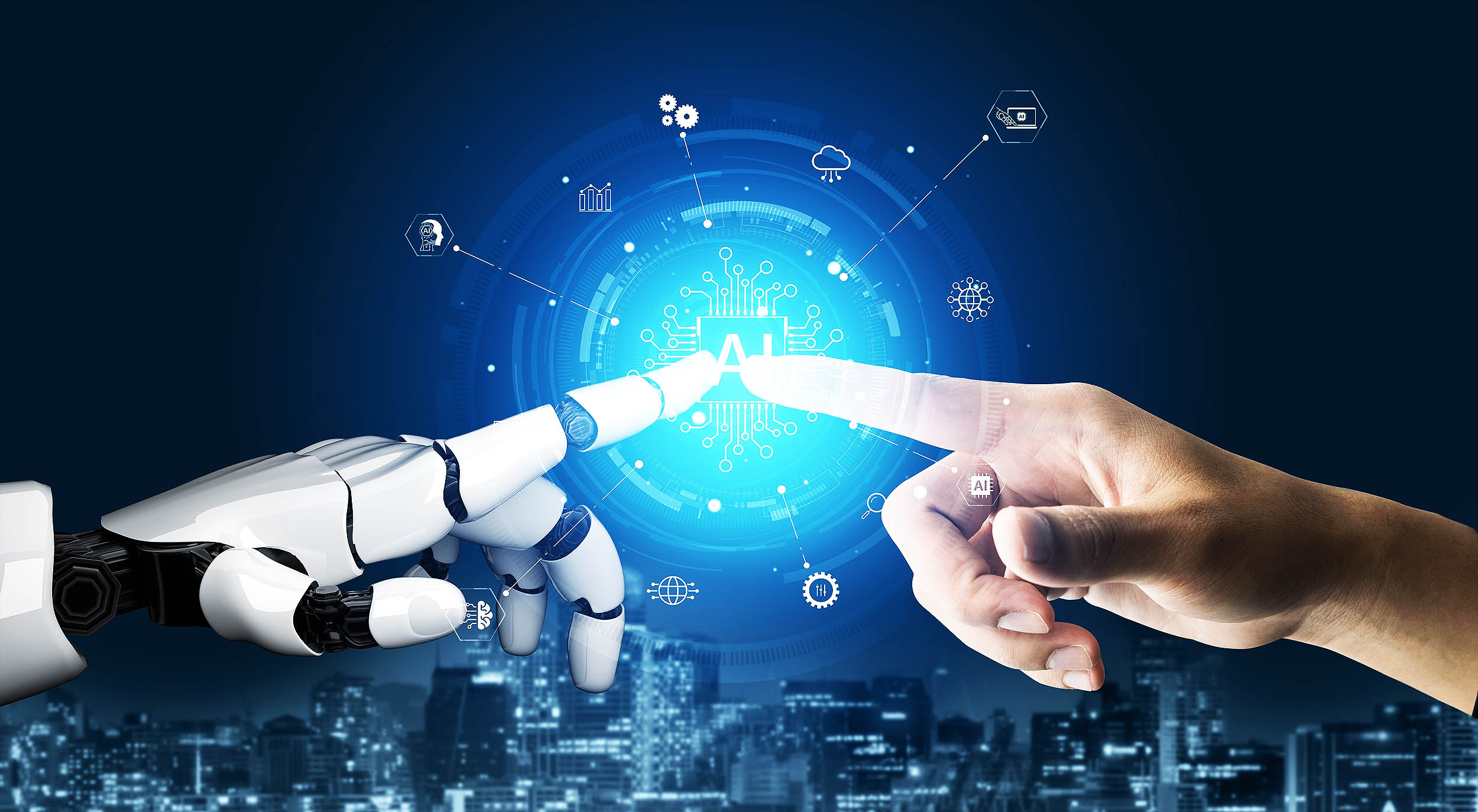
Introduction: The Power of Human-AI Collaboration
Human-AI collaboration is rapidly emerging as the most effective way to harness the benefits of artificial intelligence. According to a new comprehensive study, AI systems deliver the best results not when they operate in isolation, but when humans remain actively involved in the decision-making process. As organizations race to adopt AI, understanding the nuanced relationship between human expertise and machine intelligence becomes crucial for long-term success.
The Study: AI Performs Best With Human Guidance
Researchers set out to determine how AI systems perform under different conditions: working independently, working alongside humans, or fully replacing human decision-makers. The findings were clear: when humans and AI collaborate—rather than allowing AI to function entirely autonomously—outcomes improve across a wide range of applications.
In the study, tasks such as medical diagnosis, financial forecasting, and content moderation were analyzed. In each scenario, human-AI collaboration consistently led to higher accuracy, greater reliability, and fewer errors compared to either humans or AI working alone.
Why Human Involvement Matters
One key insight is that while AI excels at processing vast amounts of data and identifying patterns, it can sometimes misinterpret nuanced or context-specific information. Human judgment, intuition, and ethical considerations remain vital, especially in high-stakes environments like healthcare or legal decision-making. By keeping humans in the loop, organizations can leverage the strengths of both parties—AI’s computational power and the human capacity for empathy and critical thinking.
This approach also helps to mitigate risks such as algorithmic bias or overfitting, where AI might make decisions based on incomplete or skewed data. Humans can spot these issues and intervene, ensuring outcomes remain fair and accurate.
Real-World Examples of Human-AI Collaboration
Industries are already reaping the rewards of human-AI collaboration. For example, in radiology, AI algorithms can rapidly analyze medical images and highlight areas of concern for doctors to review. This not only speeds up the diagnostic process but also reduces the risk of human error. Meanwhile, in finance, AI-driven models help analysts spot trends and anomalies, but final investment decisions are still made by seasoned professionals who can weigh risks that algorithms may overlook.
Even in creative fields such as journalism or marketing, AI tools can generate initial drafts or suggest headlines, but human editors ensure the content aligns with brand voice and ethical standards. These examples demonstrate how human-AI collaboration is transforming workflows and enhancing productivity across sectors.
Challenges and Considerations
Despite the advantages, human-AI collaboration is not without its challenges. Integrating AI into existing processes requires careful change management, employee training, and ongoing evaluation to ensure that humans and machines work together effectively. Transparency is also critical—users need to understand how AI makes decisions and how their input influences outcomes.
Another consideration is the potential for over-reliance on AI. While it can augment human capabilities, AI is not infallible. Organizations must foster a culture of critical thinking and encourage employees to question AI recommendations when necessary. This balance ensures that collaboration remains truly synergistic, rather than humans simply deferring to machines.
The Future of Work: Embracing Shared Intelligence
As AI technologies continue to advance, the importance of human-AI collaboration will only grow. The most successful organizations will be those that view AI not as a replacement for human workers, but as a powerful partner. By combining the strengths of both, businesses can drive innovation, improve decision-making, and create more resilient systems.
The study’s findings send a clear message: investing in human-AI collaboration, training employees to work alongside intelligent systems, and designing workflows that leverage the unique abilities of both will lead to superior outcomes in the digital era.
Conclusion: Harnessing the Best of Both Worlds
Ultimately, the path forward lies in embracing human-AI collaboration. By blending human insight with artificial intelligence, organizations can unlock new levels of performance and creativity. Rather than viewing AI as a threat to jobs, businesses should see it as an opportunity to elevate human potential and achieve shared success.
This article is inspired by content from Original Source. It has been rephrased for originality. Images are credited to the original source.