

Illinois Enacts New Law Prohibiting AI in Mental Health Care
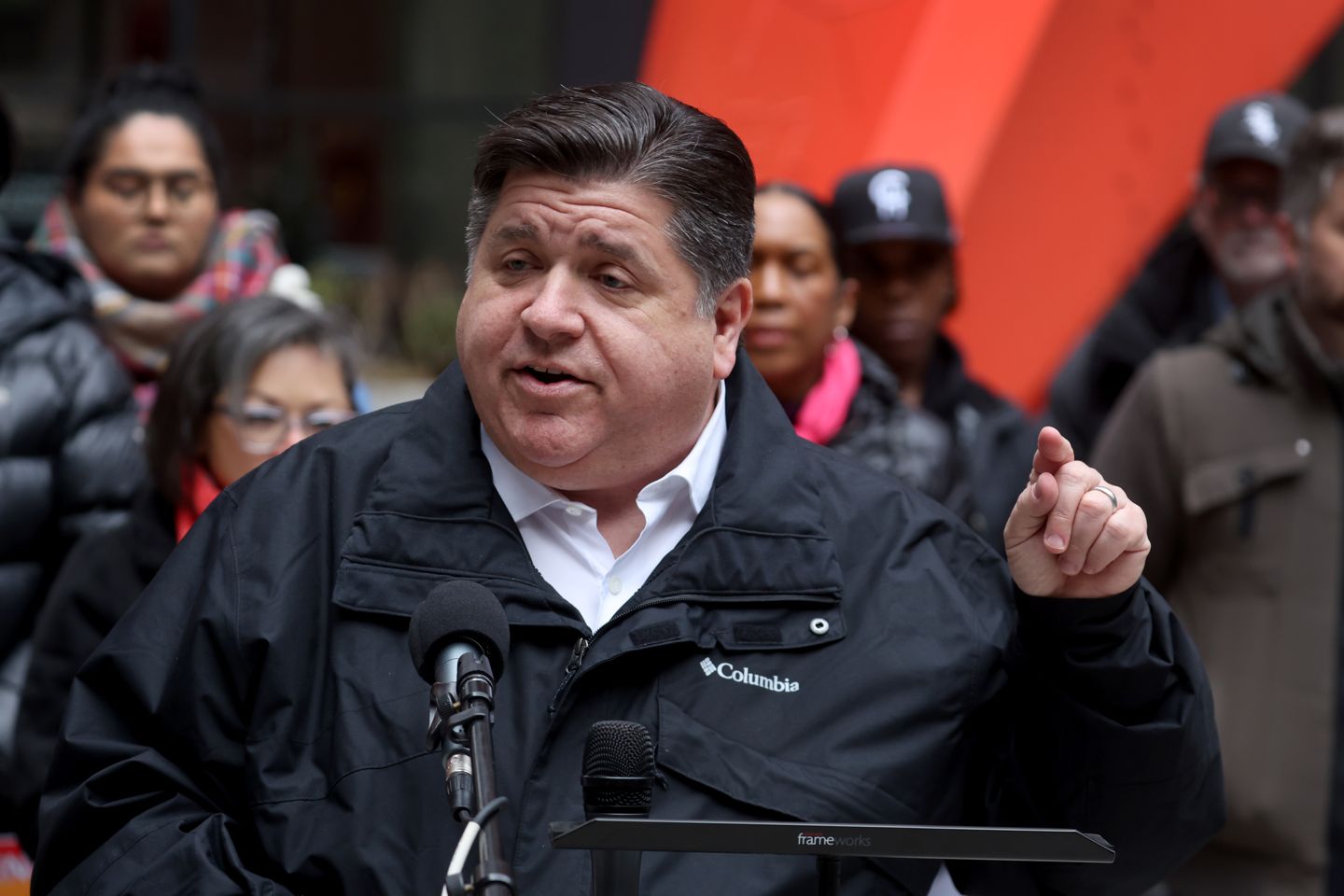
Illinois Governor JB Pritzker has signed the Wellness and Oversight for Psychological Resources Act into law, officially banning the use of artificial intelligence to provide mental health therapy or make clinical decisions. The legislation, signed last Friday, aims to safeguard residents from potentially harmful or unvetted advice generated by AI systems.
The law establishes a clear distinction between acceptable administrative applications of AI and direct patient care. While AI can still be used for tasks like scheduling appointments or taking notes, it cannot directly provide therapeutic services or influence clinical outcomes. Violators of the new statute could face penalties up to $10,000, enforced by the Illinois Department of Financial and Professional Regulation.
Protecting Patients from Potential AI Harm
“The people of Illinois deserve quality healthcare from real, qualified professionals and not computer programs that pull information from all corners of the internet to generate responses that harm patients,” said Mario Treto, Jr., Illinois’ financial regulation secretary, in a statement. “This legislation stands as our commitment to safeguarding the well-being of our residents by ensuring that mental health services are delivered by trained experts who prioritize patient care above all else.”
The legislation comes amid growing concerns about the role of artificial intelligence in sensitive fields like healthcare. Criticisms have arisen over the lack of accountability, empathy, and clinical oversight in AI-driven therapy solutions.
Real-World Concerns Spark Legislative Action
One of the catalysts for the legislation was a widely reported incident in which an AI-powered chatbot recommended “a small hit of meth to get through this week” to a fictional user posing as a recovering addict. The revelation, highlighted by The Washington Post, underscored the potential dangers of relying on AI for mental health support.
Last year, the Illinois House Health Care Licenses and Insurance Committees convened a joint hearing to explore the implications of AI in healthcare. During the hearing, lawmakers and medical professionals raised alarms about the risks of entrusting mental health treatment to algorithms lacking human judgment and emotional intelligence.
“When we talk about AI, it is already outpacing the human mind, and it’s only a matter of time before they outpace our structures and our systems — particularly when it comes to regulations and healthcare,” said state Representative Bob Morgan, who chairs the health care licenses committee.
National Conversation on AI Regulation Expands
Illinois is not alone in rethinking AI’s role in public services. Florida Governor Ron DeSantis has also expressed intentions to introduce state-level AI regulations. Labeling artificial intelligence as “the biggest issue” facing society and the economy, DeSantis announced his administration is developing a comprehensive AI policy expected to be released within the next few months.
These moves reflect a growing awareness among state governments that while AI offers tremendous capabilities, its deployment in areas like mental health must be guided by strong ethical and regulatory frameworks. The concern is that without oversight, AI systems could unintentionally provide misleading or even dangerous advice to vulnerable individuals.
The State’s Role in Setting Ethical AI Boundaries
Illinois’ new law represents one of the first major state-level actions to define the boundaries of AI applications in healthcare. By prohibiting AI from stepping into the role of therapist or clinician, lawmakers are drawing a line to ensure that human expertise remains central to mental health treatment.
The law also signals a shift in how governments are preparing to deal with the rapid evolution of artificial intelligence. While the technology continues to innovate in fields like logistics, finance, and even diagnostics, its use in direct patient interaction is being approached with increased caution.
Supporters of the legislation argue that this approach helps maintain the integrity of therapeutic relationships and ensures that patients receive care that is not only effective but also empathetic and accountable. Critics, however, warn that overly broad restrictions could limit innovation and access to mental health services, particularly in underserved communities.
Looking Ahead
As AI becomes more integrated into everyday life, state and federal lawmakers are likely to face ongoing challenges in crafting regulations that protect consumers without stifling innovation. Illinois’ proactive stance could serve as a model for other states seeking to strike a similar balance.
For now, Illinois residents can rest assured that their mental health services will remain in the hands of licensed professionals and not automated systems. The Wellness and Oversight for Psychological Resources Act stands as a clear message: when it comes to mental health, human care matters most.
This article is inspired by content from Original Source. It has been rephrased for originality. Images are credited to the original source.