

Introducing the Madison Artificial Intelligence Club
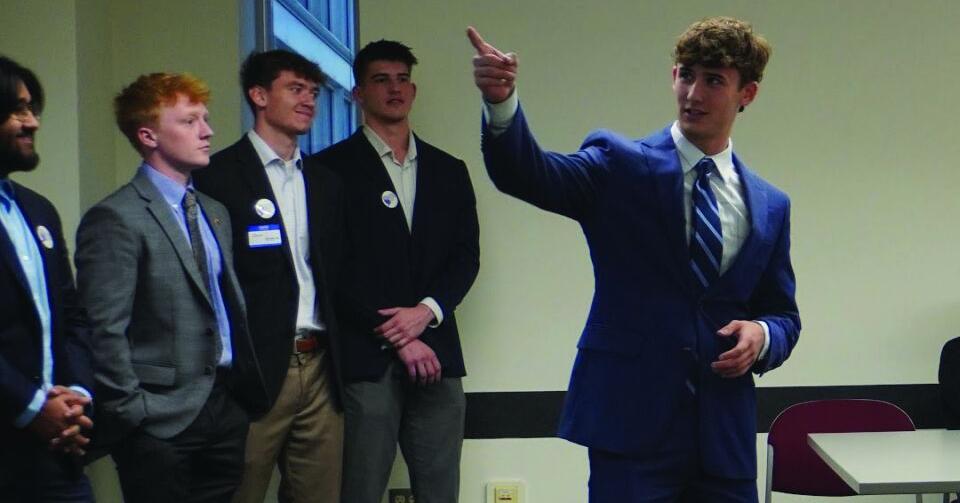
James Madison University (JMU) has recently welcomed a new addition to its diverse roster of over 400 student organizations: the Madison Artificial Intelligence Club (MAIC). This groundbreaking club is the university’s first organization dedicated exclusively to artificial intelligence. Founded by senior Mason Scofield, a computer science major with multiple minors in robotics, computer information systems, and integrated science and technology, MAIC is designed to be a collaborative community for students interested in AI.
“MAIC is JMU’s first community for learning, experimenting, connecting, and teaching all things artificial intelligence,” Scofield said. “It’s a group of people looking to catapult each other forward in learning and develop personal and professional connections that will last long after college.”
The Origins of MAIC
The creation of MAIC was serendipitous. Scofield recalled that the idea started almost by accident. “It was only in passing that my friend told me he was heading to the first constitution-writing meeting, and I half-jokingly asked to tag along,” he said. What began as a spur-of-the-moment decision quickly evolved into a fully fledged initiative.
What Scofield and his co-founders identified was a crucial gap between academic coursework and real-world applications in artificial intelligence. MAIC was born to bridge that divide, offering students the opportunity to gain hands-on experience and collaborate on innovative AI projects.
Building a Community of Innovators
MAIC isn’t just another club — it’s a platform. The organization uses an application-based membership process and features a committee system focused on building projects within specific “fields of application.” These committees allow members to take on real-world challenges and apply their classroom knowledge in meaningful ways.
The club also organizes hackathons, speaker events, panels, and conferences to expose members to the broader AI industry. By engaging with professionals and experts, students gain valuable insights into the evolving landscape of artificial intelligence.
“To me, the Madison Artificial Intelligence Club isn’t just a place to learn or build skills,” Scofield emphasized. “It represents opportunity. MAIC is about creating access for those who care, not just those with experience. I want this club to be a place people look back on fondly and think, ‘I wouldn’t be where I am without MAIC.’”
Support from the JMU Community
Since its inception, MAIC has garnered substantial support from students, faculty, and industry professionals alike. This enthusiasm reflects the growing interest in AI and the recognition of its importance in today’s world. Scofield has been inspired by the overwhelming response and the momentum the club has gained in such a short time.
“My favorite part so far has been seeing how much excitement and support MAIC has received from every direction,” he said. “Students, faculty, and even professionals in the AI and tech industry want to come together to teach and learn from each other.”
This widespread support has helped transform MAIC from a casual idea into a thriving, purposeful community. “I believe what we are building matters,” Scofield added. “Not just for us, but for the future of learners and aspiring professionals at JMU.”
Looking Ahead
As MAIC continues to grow, its mission remains clear: to cultivate an inclusive and intellectually stimulating environment that nurtures curiosity and innovation. The club aims to equip members with the tools and experiences needed to thrive in the world of artificial intelligence — both during their time at JMU and beyond.
For students interested in AI, MAIC represents more than just a club — it’s a launchpad for personal and professional development. Through its unique structure, collaborative projects, and industry engagement, MAIC is setting a new standard for what student organizations can achieve in the tech space.
This article is inspired by content from Original Source. It has been rephrased for originality. Images are credited to the original source.