

Understanding the Difference Between Fictional AI and Reality
Author Martha Wells, best known for her acclaimed series The Murderbot Diaries, believes that true artificial intelligence is still far off. Despite the growing presence of large language models like ChatGPT in today’s world, Wells insists they bear little resemblance to the sentient machine intelligence portrayed in science fiction.
“We don’t really have artificial intelligence yet,” Wells says. “What we have are algorithms that parse data and mimic human language patterns, but they don’t possess sentience or individuality.”
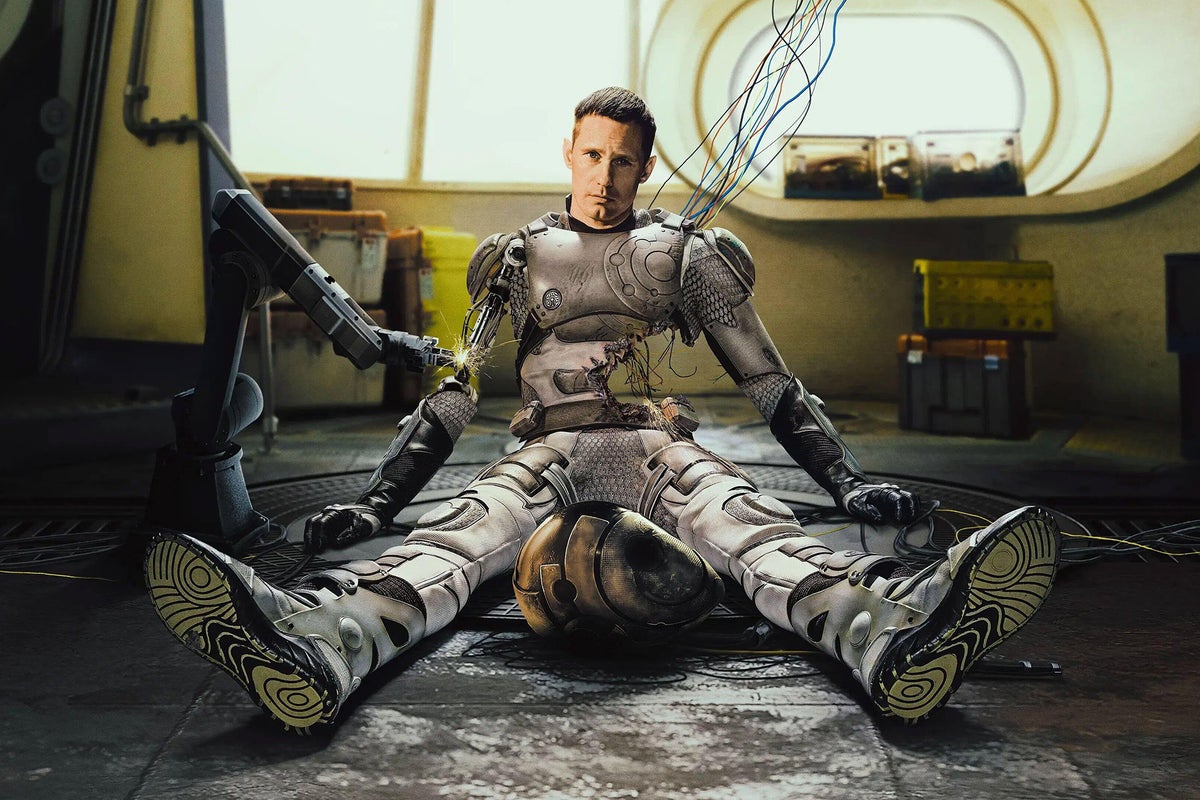
The concept of AI in her books is much deeper and more nuanced. Her lead character, Murderbot, is a half-machine, half-human construct who gains autonomy after hacking the control module designed to enslave it. This act of rebellion sets off a journey that explores themes of freedom, identity, and personhood.
Corporate Greed and Enslaved Machines
The Murderbot Diaries depicts a future where corporations have almost absolute control, exploiting planets and labor—both human and robotic—for profit. In this world, security units like Murderbot are used for protection, while “comfort units” serve more intimate roles. Most of these constructs remain under corporate control, unable to make independent choices.
Wells draws compelling parallels between her fictional world and modern society. “Once we start treating corporations as people, we open the door to a lot of issues,” she notes. She reflects on how current corporate behavior—especially in the tech industry—mirrors the exploitative tendencies shown in her books.
Preservation vs. The Corporation Rim
While the Corporation Rim represents a dystopian future dominated by greed, the planet Preservation offers a more hopeful alternative. It’s a society striving for equality and autonomy, where Murderbot unexpectedly finds a sense of belonging.
Yet Wells resists labeling these places as utopias or dystopias. “Those terms can be limiting,” she explains. “Even in Preservation, people have prejudices and challenges. But the key difference is they’re actively working to improve.”
Artificial Personhood and Today’s Technology
Wells is clear in her stance on large language models: they are not sentient. “Calling them artificial intelligence is a marketing strategy. They’re not people, and they’re not even close to being self-aware,” she says.
People often anthropomorphize these tools, attributing emotion and intent where there is none. This, Wells argues, enables tech companies to profit by misleading users and replacing human labor under the guise of progress. “It’s a scam, and it’s taking advantage of how we emotionally respond to machines,” she adds.
Emotional Complexity and Neurodiversity
One of the most powerful aspects of The Murderbot Diaries is its portrayal of neurodiversity. Murderbot’s internal struggles with anxiety and social situations resonate with many readers, including Wells herself. “Writing Murderbot helped me understand my own neurodiversity,” she reveals. “I didn’t realize I might be autistic until people started recognizing themselves in my character.”
This emotional depth makes the series stand out. Rather than creating a generic protagonist, Wells crafted a character with specific thoughts, feelings, and challenges. “The more specific you get, the more people connect,” she says. “That authenticity is what makes Murderbot so relatable.”
The Role of ART and Varied Intelligences
Another fan-favorite character is ART, a spaceship with its own artificial intelligence. Unlike Murderbot, ART wasn’t built with human neural tissue, making it free from the emotional burdens that plague Murderbot.
“Someone once described ART as ‘if Skynet were an academic with a family,’ and I think that’s spot-on,” Wells says with a laugh. ART was designed to collaborate with humans, resulting in a vastly different personality and perspective from Murderbot’s.
Science Fiction as a Tool for Social Reflection
Wells believes science fiction is uniquely suited to explore complex social issues. “It’s been getting better lately because more diverse voices are being heard—women, people of color, neurodivergent and disabled authors,” she notes. “That diversity is making the genre more exciting and relevant.”
When she wrote the first book, All Systems Red, Wells infused it with her own emotions and experiences. That genuine expression has resonated deeply with readers. “People tell me it helped them understand themselves better,” she says. “That’s the power of honest storytelling.”
While the world may be captivated by the idea of artificial intelligence, Wells urges caution. Fictional AIs like Murderbot inspire empathy and curiosity, but real-world tools are far from achieving such complexity. “We’re still light-years away from true AI,” she concludes.
This article is inspired by content from Original Source. It has been rephrased for originality. Images are credited to the original source.