

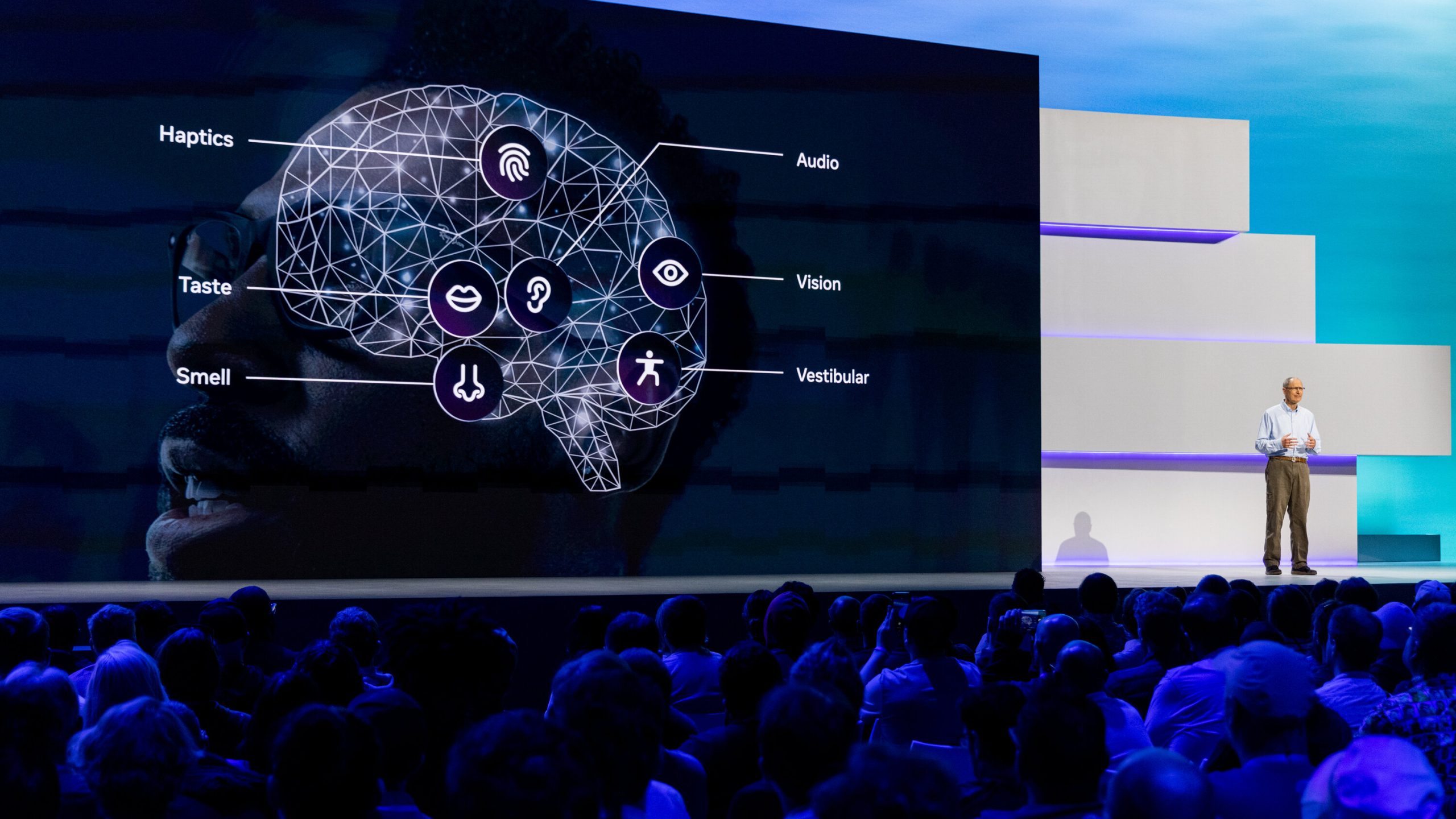
Meta Shifts Focus from Metaverse to Artificial Intelligence
Meta, the parent company of Facebook, is planning significant workforce reductions within its Reality Labs division, the unit responsible for developing technologies for the metaverse. According to sources familiar with internal discussions, the company aims to cut between 10% and 15% of Reality Labs employees, impacting those working on virtual reality (VR) headsets and VR-based social platforms.
Reality Labs currently employs around 15,000 people, meaning the layoffs could affect more than 1,500 staff members. The decision is expected to be officially announced as early as Tuesday, with a company-wide meeting already scheduled for Wednesday. Andrew Bosworth, Meta’s Chief Technology Officer and head of Reality Labs, emphasized the importance of the meeting in a memo, calling it the “most important” of the year.
Strategic Reallocation of Resources
Meta’s CEO Mark Zuckerberg has been redirecting the company’s focus toward artificial intelligence (AI), asking executives last year to adjust their 2026 budgets accordingly. As competition intensifies with AI leaders such as OpenAI and Google, Meta is increasing investments in its AI initiatives, particularly in its secretive TBD Lab, which aspires to develop artificial general intelligence.
As part of this pivot, Meta plans to reallocate funding from its virtual reality projects to its wearables division. This includes smart glasses and wristband computing devices, technologies that are increasingly seen as integral to the company’s future in AI integration and consumer hardware.
Metaverse Ambitions Put on Hold
The layoffs represent a significant pause in Zuckerberg’s long-standing vision for the metaverse, a virtual ecosystem that he believed would redefine social networking. Since Meta acquired Oculus in 2014, the company has invested tens of billions of dollars into VR technology. However, consumer adoption of Meta’s VR headsets has lagged expectations, and investors have grown skeptical about the company’s heavy spending in this area.
Despite continued public statements from Meta asserting its commitment to the metaverse, the company’s actions suggest a reevaluation of its priorities. The cuts will largely affect teams directly involved with VR hardware and social VR services, marking a notable shift in Meta’s strategic direction.
Wearables and Augmented Reality Units Spared
While the broader Reality Labs division faces cuts, its augmented reality (AR) segment is expected to remain largely intact. This unit develops products like smart glasses and wristbands that allow users to interact with digital environments using gestures and voice commands. Notably, Meta’s Ray-Ban smart glasses—featuring built-in cameras and AI assistants—have sold over two million units and continue to perform well in the consumer market.
The AR division is also responsible for the development of the Ray-Ban Display smart glasses, which include a digital interface visible within the lenses. At a recent tech conference in Las Vegas, Meta announced a delay in the international rollout of these glasses, citing overwhelming demand and limited supply.
In a call with investors last July, Zuckerberg described smart glasses as a potential gateway for integrating AI into daily life, suggesting that wearables may eventually become the primary interface for interacting with AI systems.
Leadership Changes and Infrastructure Expansion
In addition to workforce reductions, Meta is bolstering its leadership team with the recent hiring of Dina Powell McCormick. A former adviser to President Donald Trump and executive at Goldman Sachs, McCormick joins Meta as President and Vice Chairman to oversee strategic initiatives related to data center infrastructure and AI development. She previously served on Meta’s board of directors for eight months.
Coinciding with this leadership shift, Zuckerberg introduced a new initiative called Meta Compute, aimed at building expansive data center infrastructure. These facilities will be critical for supporting Meta’s growing AI ambitions, with plans to generate tens of gigawatts of power this decade and potentially hundreds of gigawatts in the future.
Redefining the Future of Digital Interaction
While Meta insists it is not abandoning the metaverse, the company’s recent decisions paint a picture of evolving priorities. The Reality Labs layoffs, combined with increased investments in AI and wearable technology, indicate a strategic realignment. Meta appears to be betting on AI-enhanced wearables as the next frontier in personal computing, rather than immersive virtual worlds.
As the tech giant navigates this transition, the industry will be watching closely to see whether Meta’s reorientation can deliver the growth and innovation it needs in an increasingly competitive tech landscape.
This article is inspired by content from Original Source. It has been rephrased for originality. Images are credited to the original source.