

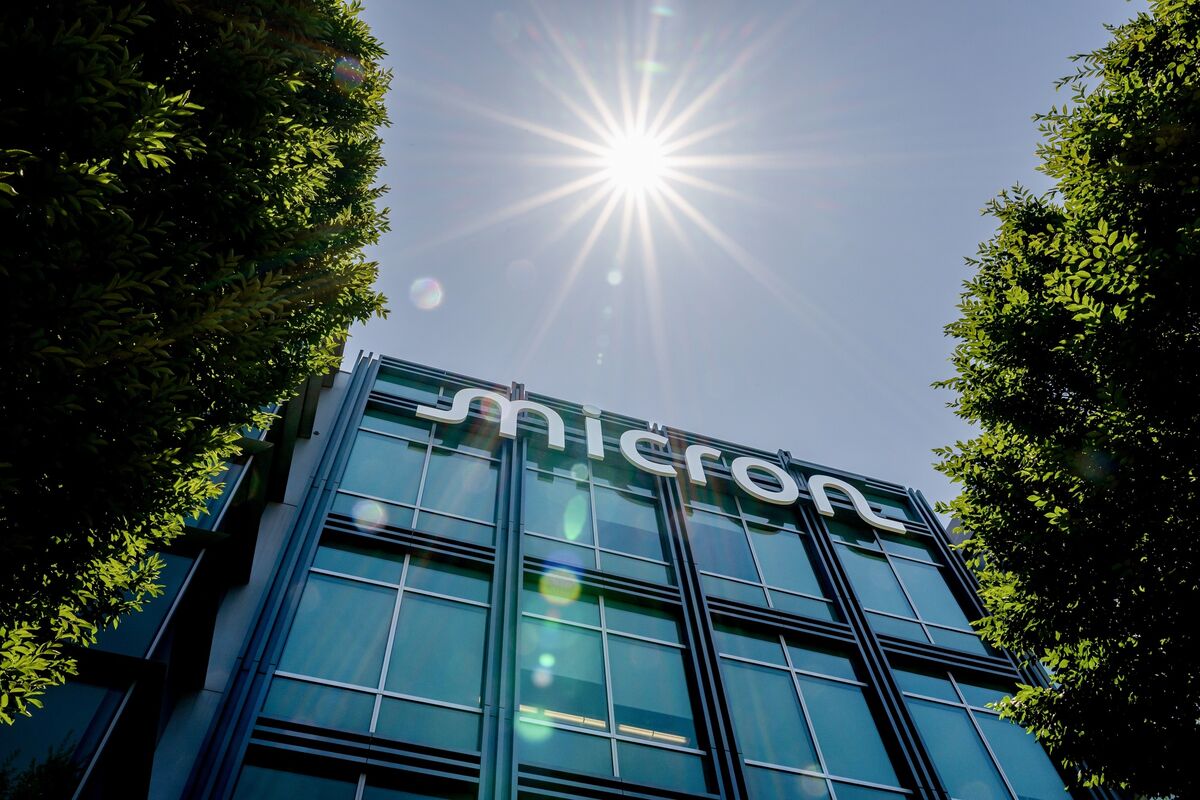
Micron Expands Global Footprint with Major Investment in Japan
Micron Technology Inc. has announced plans to invest ¥1.5 trillion (approximately $9.6 billion) in a new semiconductor manufacturing facility in western Japan, according to a report by the Nikkei newspaper. This significant investment is part of the company’s strategic initiative to expand its production of advanced memory chips critical to artificial intelligence (AI) technologies.
The announcement reflects a growing trend among global chipmakers to diversify their manufacturing operations beyond traditional hubs like Taiwan. The new plant will focus on producing high-bandwidth memory (HBM) chips, which are essential for powering AI processors, particularly those developed by companies like Nvidia Corp.
High-Bandwidth Memory: Powering the Future of AI
HBM chips are designed to provide extremely fast data transfer rates, making them ideal for use in AI and machine learning applications. These chips are a critical component in the performance of AI processors, enabling faster and more efficient data handling. By focusing on the production of HBM chips, Micron is positioning itself at the forefront of the AI hardware market.
“The demand for AI-related memory is growing at an unprecedented rate,” industry analysts have noted. Micron’s new facility is expected to help meet this surging demand, especially as sectors like autonomous vehicles, cloud computing, and big data analytics continue to expand.
Strategic Location and Government Support
The new plant will be located in western Japan, a region known for its advanced technological infrastructure and skilled labor force. While the exact location within the region has not yet been disclosed, sources suggest that the site selection is being finalized with support from the Japanese government.
Japan has been actively encouraging foreign investment in its semiconductor sector through a series of financial incentives and policy reforms. Micron’s decision aligns with Tokyo’s broader strategy to revitalize its domestic chip industry and reduce dependence on foreign suppliers, particularly in light of recent global supply chain disruptions.
Reducing Dependence on Taiwan
One of the key motivations behind Micron’s investment is the desire to reduce its reliance on Taiwan for advanced chip production. Taiwan is home to some of the world’s leading semiconductor foundries, but rising geopolitical tensions in the region have prompted companies to seek alternative manufacturing bases.
By expanding in Japan, Micron not only diversifies its production network but also strengthens its ability to serve the growing demand for AI chips in Asia and beyond. The move is seen as a proactive step to ensure supply chain resilience and operational continuity in a rapidly changing global landscape.
Economic Impact and Job Creation
The new plant is expected to have a significant economic impact on the local community, creating thousands of high-tech jobs and stimulating related industries. Construction is anticipated to begin in the coming months, with full-scale operations projected to commence within the next few years.
“This investment underscores our commitment to advancing memory technology and supporting global innovation,” a Micron spokesperson stated. The company emphasized that the facility will be built using the latest environmentally sustainable practices and will aim to minimize its carbon footprint.
Micron’s Broader Growth Strategy
This latest move is part of Micron’s broader strategy to expand its global manufacturing capabilities. Over the past few years, the company has made substantial investments in the United States and other parts of Asia to bolster its production of cutting-edge memory solutions.
With demand for AI-related technologies showing no signs of slowing down, Micron’s strategic investments are designed to keep the company at the forefront of innovation. The Japanese facility will play a crucial role in enabling the production of next-generation memory products that support a wide array of intelligent applications.
“This plant will serve as a cornerstone in our global supply chain,” the company added, highlighting its long-term vision of building a robust and geographically diverse manufacturing network.
Looking Ahead
As the world becomes increasingly reliant on AI and data-driven technologies, the need for advanced memory chips will continue to grow. Micron’s $9.6 billion investment in Japan marks a pivotal moment for the company and the broader semiconductor industry.
By establishing a strong presence in Japan, Micron not only enhances its production capacity but also contributes to the development of a more resilient and diversified global chip ecosystem. This move is likely to inspire similar investments from other tech giants seeking to secure their supply chains and capitalize on the AI boom.
This article is inspired by content from Original Source. It has been rephrased for originality. Images are credited to the original source.