

Inside OpenAI’s Transformation
In March 2019, OpenAI, once a modest nonprofit focused on ethical artificial intelligence, transitioned into a unique for-profit entity known as a “capped-profit” company. This shift marked the beginning of a dramatic evolution in its mission and operations. Just a month earlier, the organization had stunned the tech world by unveiling GPT-2, a powerful language model it deemed too dangerous to release at the time. However, by November of that year, OpenAI reversed its stance and publicly released the model, stating there was “no strong evidence of misuse so far”, though it admitted it couldn’t foresee every potential threat.
For many observers, including those chronicling AI developments at the time, OpenAI’s trajectory was perplexing. It seemed to oscillate between ethical caution and an undeniable urgency to commercialize its innovations. The organization’s public image was steadily shifting — from a cautious laboratory focused on societal good to a venture clearly intent on delivering substantial financial returns.
Microsoft’s Strategic Involvement
Newly revealed documents from Elon Musk’s lawsuit against OpenAI and Microsoft shed light on the internal dynamics of this transition. These disclosures, thoroughly examined by GeekWire’s Todd Bishop, include a trove of emails, memos, and text messages that offer a rare glimpse into Microsoft’s influence during this critical period.
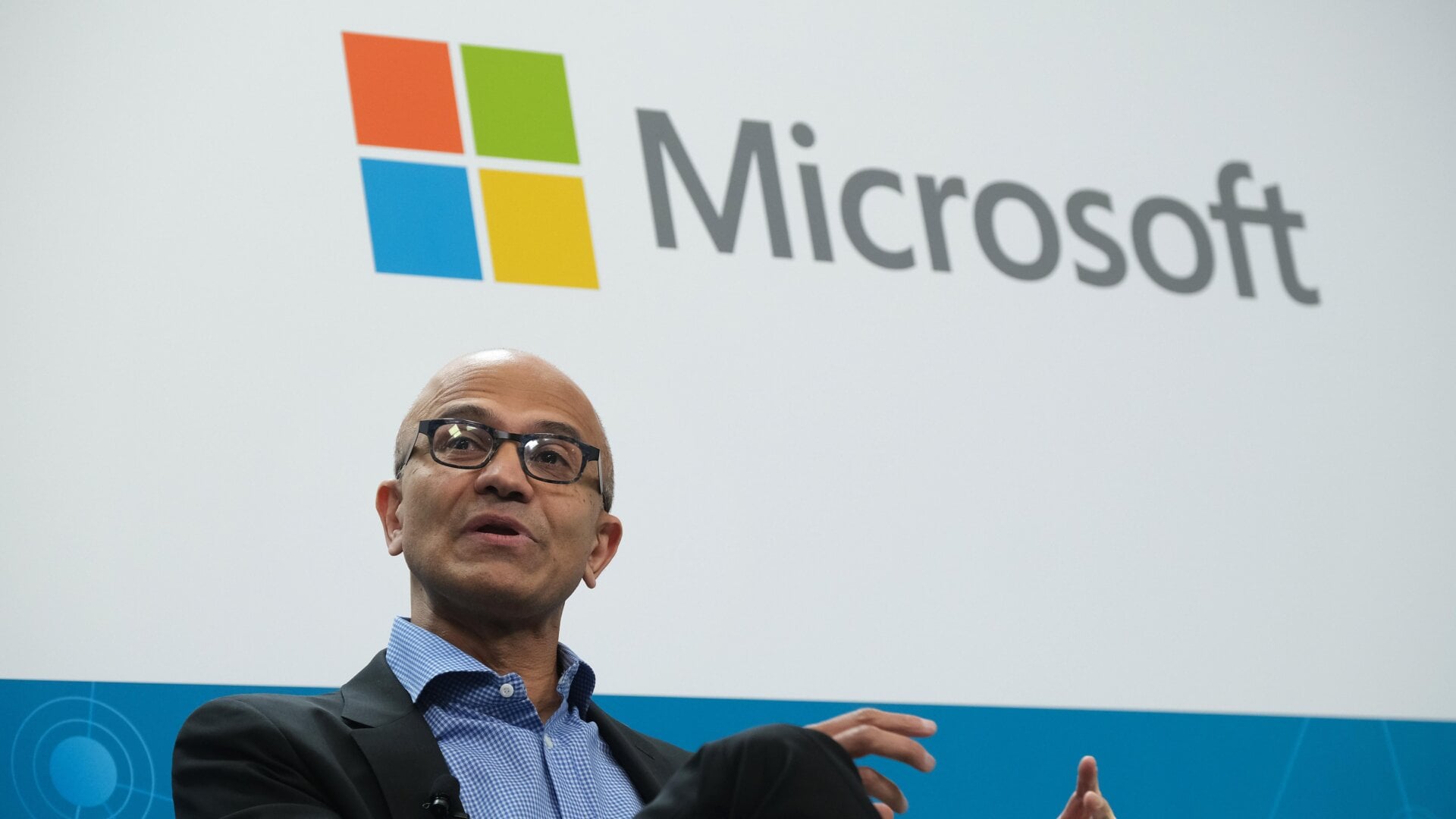
Microsoft, led by CEO Satya Nadella, had already made significant investments in OpenAI and was deeply engaged in its strategic direction. Far from being passive observers, Microsoft executives actively pushed for monetization. During the uncertain period when GPT-2 remained unreleased, Microsoft’s Chief Financial Officer Amy Hood expressed skepticism about OpenAI’s capped-profit structure. In a July 2019 email to Nadella and others, Hood remarked, “Given the cap is actually larger than 90% of public companies, I am not sure it is terribly constraining nor terribly altruistic but that is Sam’s call on his cap.”
From Models to Monetization
OpenAI’s next big leap came in 2020 with the release of GPT-3, a model even more advanced than its predecessor. This was followed in January 2021 by the debut of DALL-E, a creative image-generation tool. These innovations sparked renewed discussions between OpenAI and Microsoft regarding further investment.
In one notable exchange, OpenAI CEO Sam Altman wrote to Microsoft, “We want to do everything we can to make you all commercially successful and are happy to move significantly from the term sheet.” He added, “We want to make you all a bunch of money as quickly as we can and for you to be enthusiastic about making this additional investment soon.” The intent was clear: OpenAI was now firmly focused on maximizing commercial success.
The ChatGPT Explosion
The turning point came in November 2022 with the release of ChatGPT. The chatbot quickly went viral, captivating the public and placing OpenAI at the center of a global AI boom. With attention at an all-time high, Microsoft pressed for the launch of a paid subscription service to capitalize on the model’s popularity.
In January 2023, Nadella texted Altman: “When do you think you will activate your paid subscription for ChatGPT?” Altman responded that they were aiming for the end of the month but could be flexible. He noted, “The only real reason for rushing it is we are just so out of capacity and delivering a bad user experience.” Nadella agreed that sooner was better. Within weeks, OpenAI launched the paid version of ChatGPT.
A Revenue-Focused Future
Between 2023 and 2025, OpenAI’s revenues increased tenfold, underscoring the financial success of its pivot. What began as an idealistic lab working on safe AI had transformed into a powerhouse of commercial innovation, largely propelled by its strategic partnership with Microsoft.
While some may find this evolution unsurprising, the internal communications reveal just how deliberate and coordinated the shift was. Microsoft’s role was not merely as a benefactor but as a key architect of OpenAI’s new direction — one focused squarely on monetization and market dominance.
This article is inspired by content from Original Source. It has been rephrased for originality. Images are credited to the original source.